Since 2019, Israeli politics has been in a steep decline, and it is clear what awaits us in the election season we are entering: superficiality, deception, lies, cheap propaganda and, above all, the fueling of hatred and the ignition of as much fear as possible. If the Right wins again, the country is finished; if the Right does not win, the country is also finished. Either way, the options being placed before us are apocalyptic. Either way, it is clear to all of us that this will be the most toxic election campaign in Israel's history.
The interest of the politicians and activists, whether they claim to represent "the people" or "change," is to make citizens afraid of one another. The emotion of fear, especially fear of people we hate, is what drives human beings to take an interest in politics, spread election propaganda and vote. A civil war may not be desirable, but creating an atmosphere of something close to one is a clear political interest.
In other words, this election season will be terrible because everyone involved will work very hard to tear Israeli society apart from within: right-wingers against left-wingers, liberals against conservatives, secular Jews against the traditionally observant, "Jews" against "Israelis." If this does indeed happen, Israeli society will suffer a devastating blow that will significantly impair our ability to maintain a national, advanced and prosperous state.
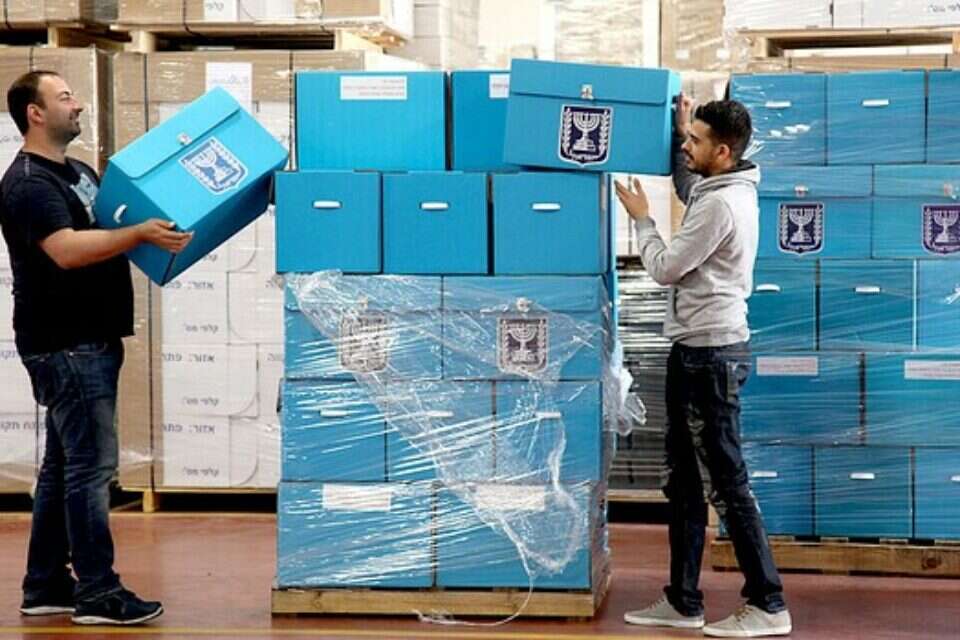
That is why we, the citizens, must stop expecting politicians and activists to look after the affairs of society and the public, and take responsibility ourselves for the basic ability to live alongside one another.
There are many ways to do this, and they are readily available. First, we must talk to one another not through politicians or the media, but directly, seriously, amicably and respectfully. Instead of hurling accusations, we should take an interest and ask questions. Instead of unloading all our frustrations on the other person, we should ask where their pain point lies and ask them to listen in return. This can be done on the street, in the workplace and in discussion circles.
At the same time, we must be openly critical of our own camp. When there is public shock, politicians and activists change and moderate their behavior. True, our natural temptation is to criticize the other side, and there is no need to stop doing so, but most of our influence lies precisely in the ability to apply pressure within our own camp against crossing red lines.
More than anything, we must look for allies in one another, even if alliances of this kind have no political representation. Just as most Israeli citizens doing reserve duty proved their loyalty and solidarity toward one another despite the hostility in the political sphere, we must do the same in the sphere of local and national civic activity, from the economy and education to culture and identity. Civic organization should not reflect the forces in the coalition and the opposition, but rather our shared goodwill.
Today, a scenario in which citizens govern rather than politicians and activists seems almost fictional to us, but it is a necessity. If we do not take responsibility for the future of Israeli society, we will be left with a society that is broken, exhausted and falling apart, whether we got the coalition we wanted or not.