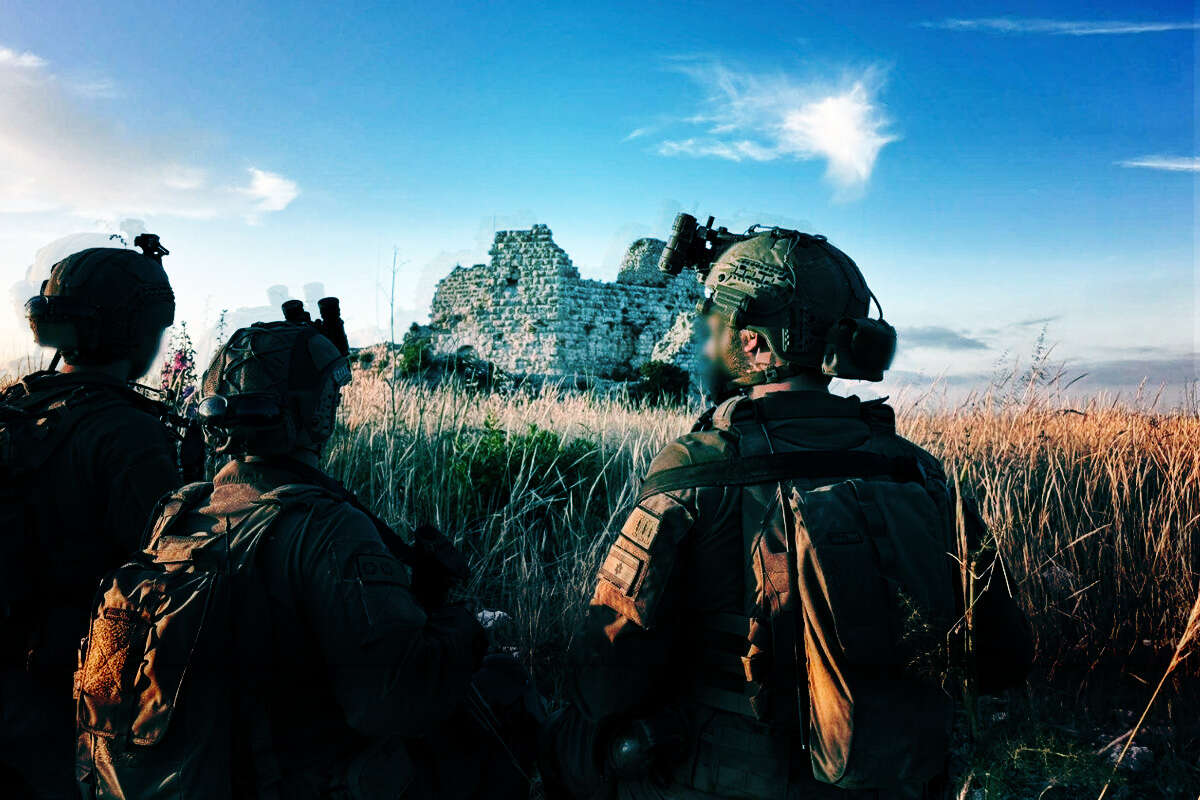
The courage and heroism of IDF soldiers and pilots, along with precise target intelligence (as opposed to strategic intelligence about the enemy, which failed again this time), produced extraordinary military achievements that will be discussed for years to come. But all this did not amount to victory, leaving us with a sense of a missed opportunity, and even of failure.
We should not be afraid to admit that we failed. Recognizing failure is the first step toward correcting it. True, failure is a harsh word, and some fear using it lest it damage public morale, as though Israel's citizens do not have eyes in their heads and cannot understand for themselves what happened vis-à-vis Iran and in Lebanon. But if we do not look reality squarely in the face, we will not be able to get back on track and win in the future. That is why we can only regret that the October 7 failure has still not been investigated, and that the truth about what happened to us on that day and before it is still not public knowledge.
For many people here and around the world, and especially for President Donald Trump, truth is an option, and not necessarily the option they choose. But even if we accept the "truth" of those boasting that we achieved a historic victory, it is impossible to ignore the fact that in the eyes of the entire world, and more importantly in the eyes of our region, Israel is the big loser from Trump's surrender agreement with the Iranians. And when the enemy believes we have lost, it smells weakness, and for us that is dangerous.
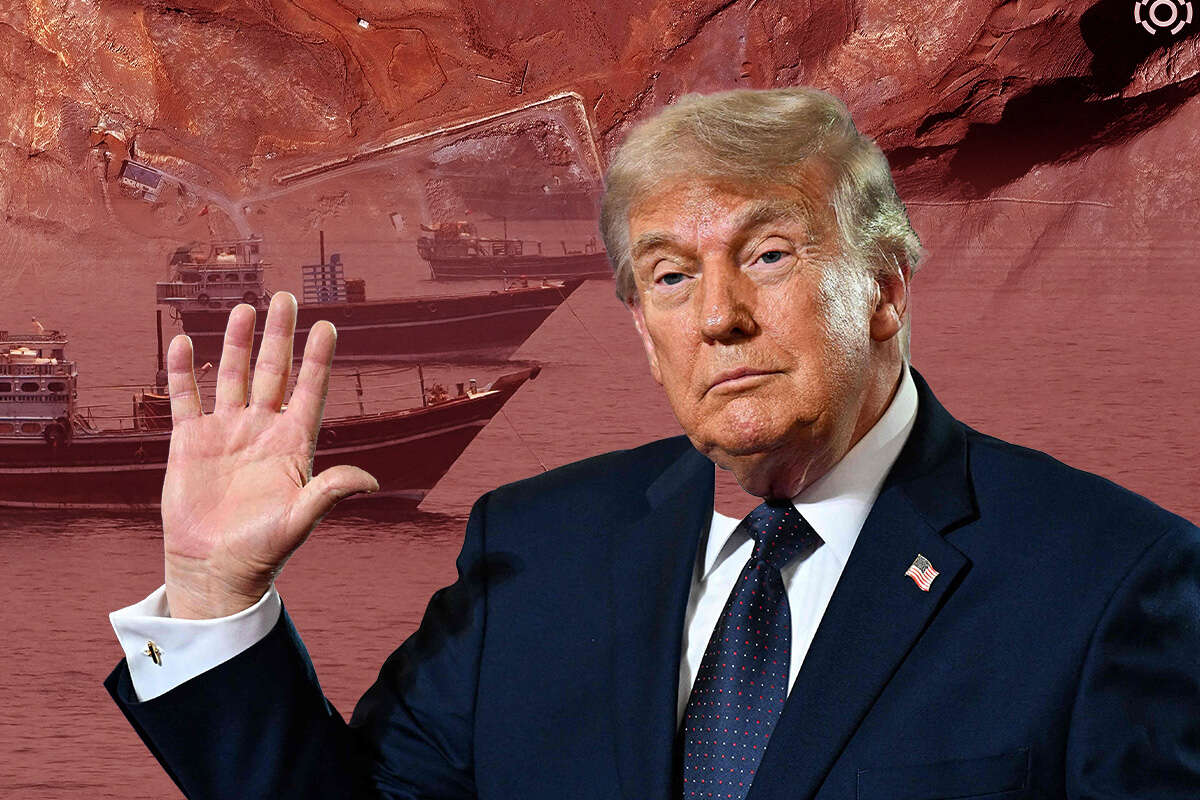
The Iranian regime, an extremist regime that now also feels a sense of intoxication with power and a desire for revenge, survived, and in its view has emerged strengthened from the confrontation forced upon it. It retained a significant portion of its military capabilities, the nuclear option is still in its hands as a bargaining chip, and it also believes it has removed once and for all the threat of an American strike against it, a strike it had feared and because of which it had carefully calculated its steps. After Trump's fiasco, no American president will dare even contemplate attacking Iran.
As for Lebanon, where we supposedly enjoyed long months of freedom of action to do as we pleased, we are returning to the reality that existed on the eve of October 7. Hezbollah was hit, but it remains standing, and thanks to the quiet we have given it, it will now work to rebuild its strength, replenish its missile arsenal, and when Iran forces us to withdraw from the security zone in southern Lebanon, we will find ourselves facing Hezbollah terrorists on the fences.
It is important to understand what went wrong, but it is also important to look ahead and draw the necessary lessons. First, the US is a close ally, although Trump's declaration that we exist only thanks to him shows how detached from reality he is and how impaired his judgment is. But the conclusion from the events of recent months is that the US cannot be relied upon, since the Americans help only those who help themselves, and they have an impressive record of throwing their allies under the bus when they feel that "the useful work has been done" or when they want to cut their losses. That is how Trump is doing to Netanyahu what Carter did to the shah and Obama did to Mubarak.
Second, we must be aware of the limits of power and of what can be done. In Lebanon, we could have achieved results, but we missed the opportunity. In Iran, however, the goals Israel set for itself, and consequently its military moves, were unrealistic from the outset, and it is no wonder they were not achieved. The sense of failure lies in that gap between an unrealistic goal and the fact that it could not be attained.
Finally, every military move must have an exit point that makes it possible to translate it into a diplomatic achievement, just as David Ben-Gurion, the greatest prime minister we have had, did when he succeeded in translating the achievements of the 1948 War of Independence and the 1956 Sinai Campaign into diplomatic victories.
Israel is a strong country. Its citizens have withstood difficult tests, and it has an excellent army. We can only hope that, as a society and as a country, we will know how to overcome this, move forward, and win the future tests that still await us.