"Maccabi Warsaw" – before the Holocaust, this was the name of the stadium where dozens of world leaders gathered Thursday morning, chief among them U.S. Vice President Mike Pence, U.S. Secretary of State Mike Pompeo, Polish Prime Minister Mateusz Morawiecki, foreign ministers from Arab countries and of course Israeli Prime Minister Benjamin Netanyahu.
In a world that has become a global village, and absent any discernible dramatic breakthrough, the two-day summit on the outskirts of Warsaw appeared as drab as the communist-era buildings dotting the city. The two American Mikes – Pompeo and Pence – like U.S. President Donald Trump's son-in-law Jared Kushner, who was also in attendance, have never specialized in splashy headlines. And yet, the somewhat strange summit in the Polish capital still made history.
It was the first time that an international summit for Middle East peace didn't focus on Israel or the concessions it must make. At the Geneva summit it the 1970s, or the Madrid summit in the 1990s, not to mention the Camp David talks and other U.S.-sponsored gatherings, the expectation was always that Israel should withdraw and concede.
This time, however, Israel wasn't the sole target of such demands and to a large extent, it even spearheaded developments. That is to say, formally the U.S. and Poland were behind the summit, but the main focus – the issue that Netanyahu has positioned atop the international agenda – was stopping Iran's expansion. Also on the docket was the Arab Spring uprising and its consequences, which have not only impacted the Middle East but countries in Europe, which were also heavily represented in Warsaw.
So as not to completely ignore the Palestinian issue, Kushner was called in to update the attendees about the peace plan he and his team have been drafting these past two years. The plan, it appears, still isn't generating a great deal of excitement and hope. More noteworthy, however – in a manner that just two years ago seemed unimaginable – the term "Palestinian state" wasn't uttered once during the summit's opening statements.
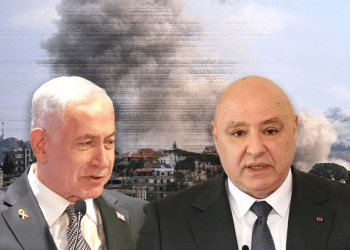
On the other hand, the Israeli prime minister sat alongside the foreign minister of Yemen, who even lent him his earpiece in a moment of need. In the words of special U.S. envoy to the Middle East Jason Greenblatt: "one step after another" on the path to achieving peace.