


For two decades, the United States built a formidable financial warfare machine designed to cripple Iran. Ironically, parts of that same machinery are now being assembled against Israel by some of Washington's closest allies.
The model used against Iran was devastating because it operated like a steadily tightening noose. First, the legal infrastructure is established. Then it is internationalized. Sanctions are imposed on individuals, expanded to companies and entire sectors, and ultimately brought to bear on the financial system itself.
Sanctions set the process in motion, but the real damage was inflicted by banks and investors who, fearful of incurring Washington's wrath, went far beyond what US law actually required. Iran became commercially toxic.
Israel is prepared for missiles, drones, terrorism and cyberattacks, but it must now prepare for another kind of weapon as well: the US dollar. Anyone who believes such a scenario is far-fetched should think again.
The precedent already exists
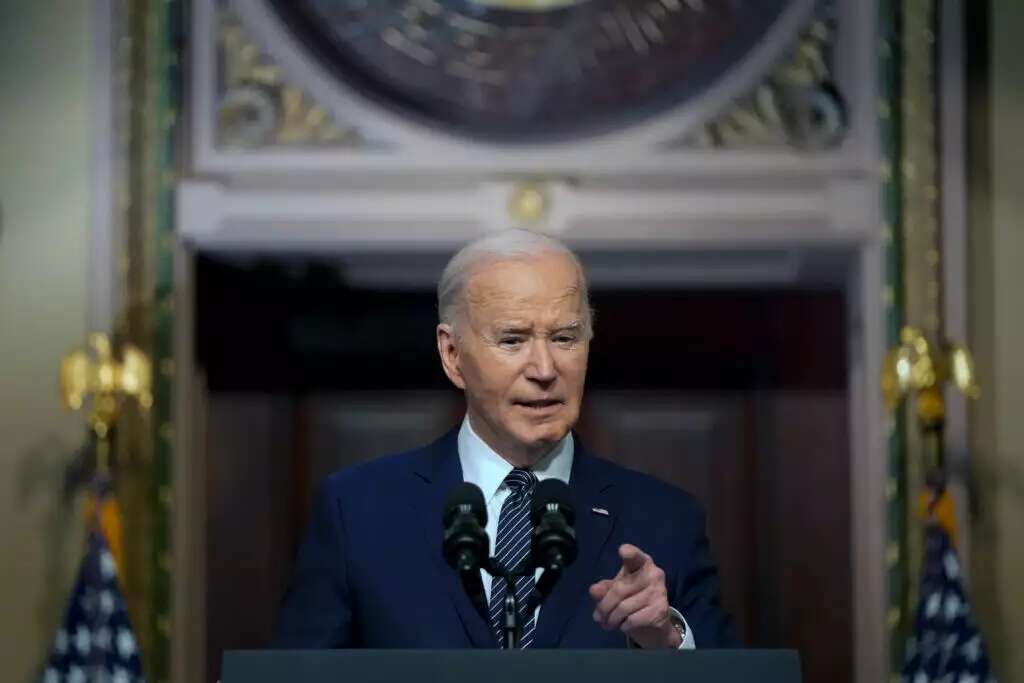
In February 2024, US President Joe Biden signed Executive Order 14115, declaring a national emergency in response to the situation in Judea and Samaria and authorizing sanctions against Israeli settlers and entities connected to them. Whatever one's views of the people placed on the sanctions list, a precedent had been established: Using emergency powers, the United States imposed a sanctions regime on citizens of a close democratic ally.
President Donald Trump revoked the order immediately upon returning to the White House, but the precedent itself cannot be erased. The order was written and implemented, and US allies had already joined the effort.
Within 72 hours of the sanctions announcement, Israeli financial institutions began restricting the accounts of those who had been listed. Finance Minister Bezalel Smotrich protested, but the Bank of Israel refused to back down, warning that ignoring US sanctions could endanger Israeli banks' access to the international financial system. It was a vivid demonstration of the leverage Washington possesses, even inside Israel.
Public opinion matters
Now imagine not a handful of individuals, but 200 targets, including Israeli companies and banks. The target list is already taking shape. A UN database lists 158 companies from 11 countries involved in activities connected to Israeli settlements, spanning banking, construction, communications, energy, transportation and technology.
Israel's political shield is also eroding. Prominent US politicians increasingly feel free to adopt tougher positions. After decades in which Israel enjoyed a large advantage, polls now show more Americans sympathizing with the Palestinians than with Israelis. Nor is this solely a Democratic phenomenon: 57% of Republicans under 50 hold an unfavorable view of Israel. Those figures should concern Israel and its friends because, ultimately, public opinion shapes policy.
A dangerous spiral
Now fast-forward to January 2029. A president hostile to Israel enters the White House. The United States stops blocking measures against Israel at the UN. European sanctions expand, and the Biden administration's sanctions order returns, this time broadened and enshrined in legislation, extending from violent settlers to companies operating in Judea and Samaria.
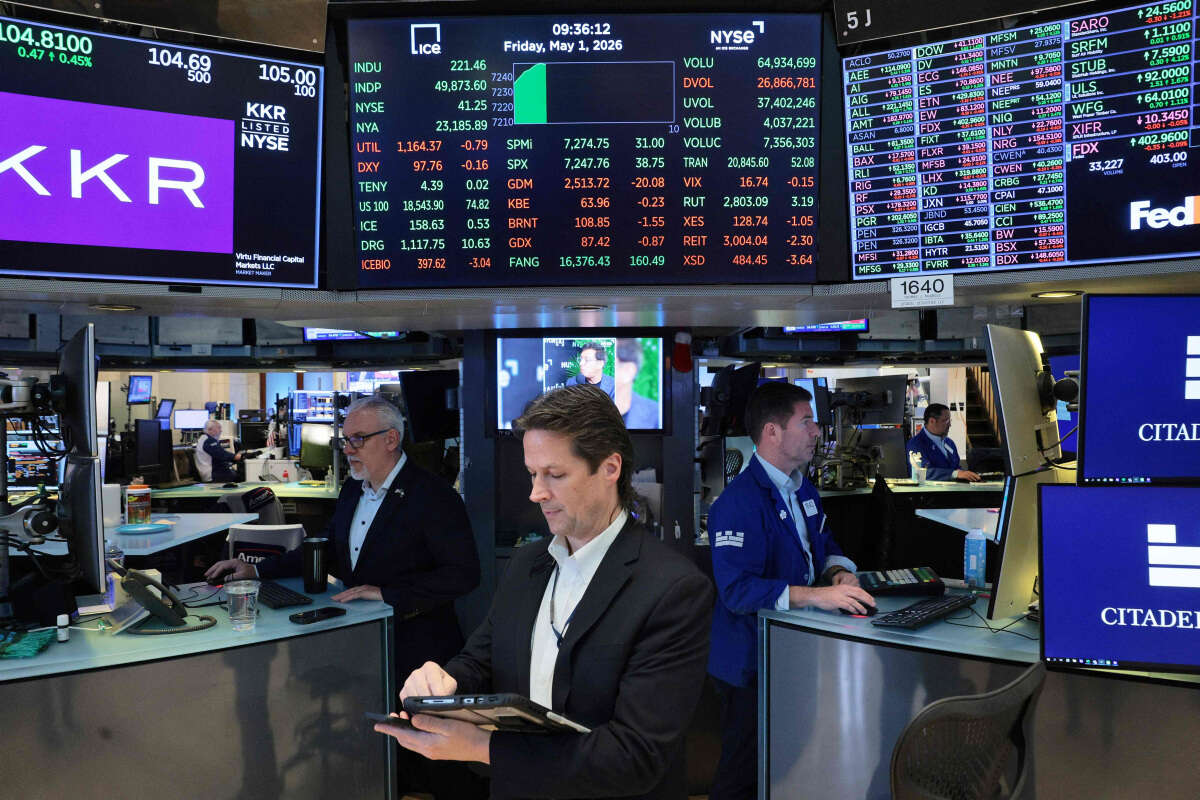
Wall Street would do the rest. Banks would steer clear of anything they perceived as a risk. Financial institutions' overcompliance can sometimes be more destructive than the sanctions themselves. At the final stage, the distinction between the two sides of the Green Line could disappear, with measures expanded to target the Israeli government and the core of the economy. Israel is particularly exposed because of its dependence on international capital. High-tech accounts for 58% of Israeli exports, while about 70% of venture capital investment comes from foreign investors.
None of this is inevitable. Israel still has time to prepare, but it must begin now. Jerusalem should prosecute perpetrators of violent acts with determination, thereby depriving its adversaries of one of the strongest grounds for imposing sanctions. It should conduct stress tests of Israeli banks and major companies against the scenario of a future sanctions wave and map the economy's vulnerabilities.
Israel also needs a permanent interministerial economic-security team, together with private-sector participation, to conduct financial war games, monitor threats and prepare countermeasures.
A change is needed
Diplomatically, Israel must distinguish between legitimate criticism of its policies and financial measures designed to paralyze its economy. It should deepen its relationships with US governors and financial institutions, whose decisions could prove critical if the climate in Washington changes.
At the same time, Jerusalem must diversify its risks and expand its ties with additional markets. Most importantly, Israel and the United States should deepen their military, technological, intelligence and economic integration to such an extent that inflicting financial harm on Israel would also carry a significant cost for Washington.
Israel's domestic politics will affect its ability to wage this battle. As an American, it is not my place to tell Israelis how to vote. But as someone working in Washington to defend Israel, I believe it is important to spell out the consequences: If the current coalition returns to power without changing its policies and conduct, defending Israel against a campaign of financial warfare will become far more difficult. Israel's friends cannot indefinitely compensate for decisions made in Jerusalem that erode international support for the country. Israelis should factor this strategic reality into their public debate, whatever political conclusions they ultimately draw.
The blueprint for financial warfare against Israel already exists, but the outcome has not yet been written. There are roughly two years until the next US presidential election to reduce Israel's vulnerabilities, strengthen its alliances and deepen the economic integration that could deter such a campaign, or stop it if deterrence fails.
The question is not only who will hold the pen in Washington in 2029, but what Israel will do between now and then to ensure that pen is never used against it.


