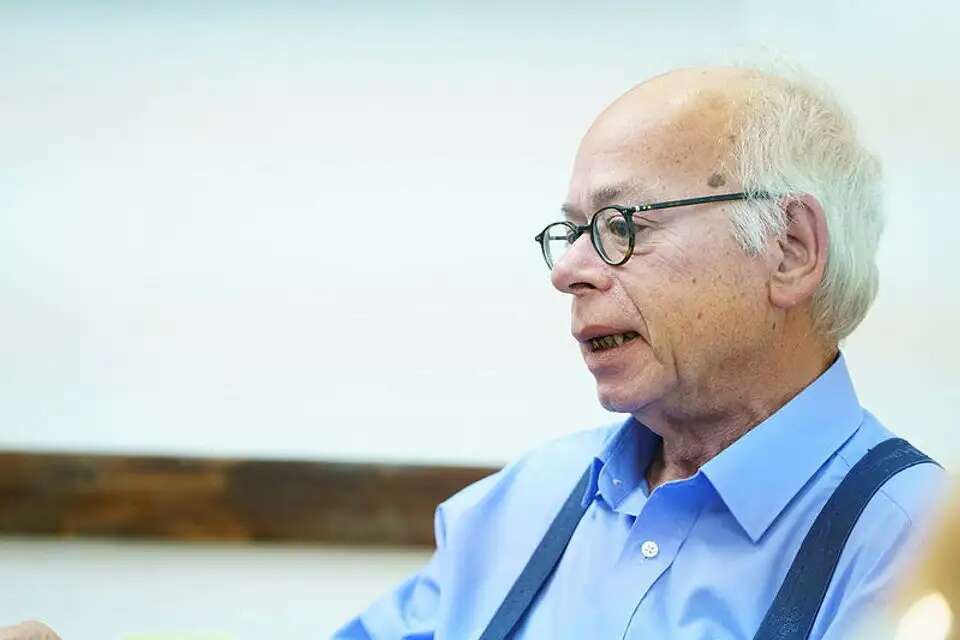
For nearly a decade, I worked by your side, Mr. Editor-in-Chief.
A newspaper is like life itself. There is no day and no night. And the newspaper was your life.
Not that you didn't have a life of your own, God forbid. Yours was full and extraordinary. But you had two babies: the newspaper and your granddaughter. And then there was us, your journalists, your editors, the people who loved you.
You brought me into your baby in 2008, when I returned from my diplomatic posting in Mauritania. The ambassador became the foreign news editor. We already knew each other. We had even shared bylines back in 1991, when Israel was on alert for Iraqi Scud-C missiles. You were Yedioth Ahronoth's correspondent in London, and I was in Paris. How proud I was to see our names together.
And I felt that same pride years later, when you brought me into a senior editorial position, no less, at a right-wing newspaper. Three dreams realized at once: foreign news editor, a newspaper of the right, and Amos Regev.
You were a fascinating combination of toughness and tenderness. There was the demanding editor, and alongside him, a wonderful man with a sensitive heart. Neither side ever overshadowed the other. You knew how to adapt to changing circumstances and the intense lives we led.
We, your loyal team, were never afraid of your toughness. We respected it because we knew that, above all, you demanded more of yourself than you ever demanded of us. You were involved in every comma, every story. At first, I was a little offended when you completely reworked one of my stories or the foreign news page. But what could I do? You were always right. Always.
Between you and me, Amos, you could have edited the entire newspaper yourself, if only the rest of us would stay out of your way.
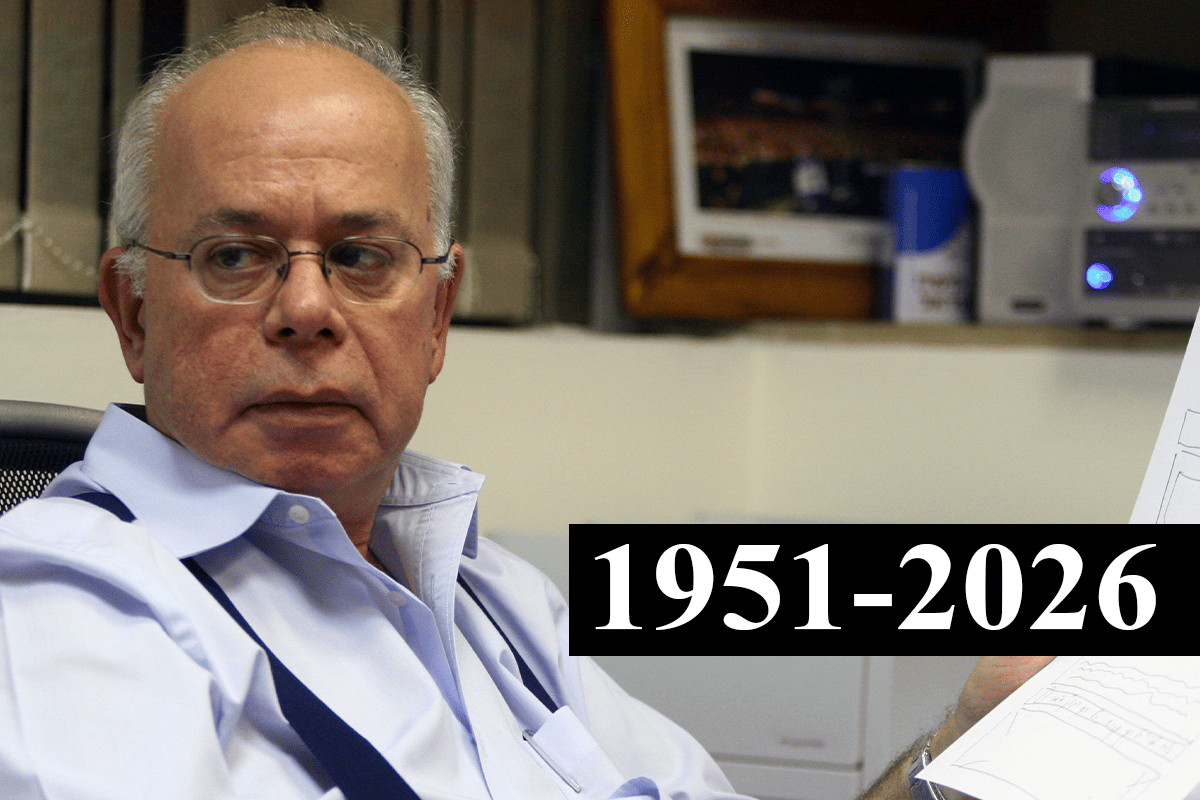
You revolutionized Israeli journalism. What an exhilarating feeling it was when, in the newspaper's third year, I was interviewed on Army Radio and found myself receiving congratulations from a media establishment that had hardly been supportive, after Israel Hayom became the country's most widely circulated newspaper. You were proud. We were all proud. Always together.
And there were the Liverpool matches, the encouragement, and the fatherly care and concern you showed us in the newspaper's bustling newsroom.
You also endured insults and criticism from fellow journalists. And I know better than anyone how unfair that criticism was, driven by the newspaper's editorial stance and its success.
Attempts to silence you, to silence us, reached the Knesset on three separate occasions. But you stood up for us and for our readers, fighting for our Israel Hayom.
Under your leadership, the newspaper fought for the country, for the integrity of the Land of Israel, for pioneering settlement throughout the land, for a military that takes the initiative and goes on the offensive, for Israeli society, and for the future of the Jewish people while preserving its glorious past. That was who you were: an exemplary fighter, just as you had been during the Yom Kippur War, when you served as an artillery officer. You were also proud of your uncle, who fought in the Warsaw Ghetto.
In 2017, I entered your office as the new editor-in-chief with a profound sense of awe. To me, it would always remain your office.
I would call you whenever I faced a dilemma. That's the nature of our profession. And throughout the years that followed, both as editor-in-chief and later as a lawmaker and chairman of the Knesset Foreign Affairs and Defense Committee, I always valued your insights and felt comfortable arguing with you.
We loved discussing battles and wars. I never met anyone who knew as much about them as you did. Who else could I talk to in minute detail about the Battle of Agincourt or the Hundred Years' War? You always made sure to update the number of years that had passed.
Two or three weeks ago, you called to ask how I was doing. There was no advice, no profound insight. You simply wanted to know how I was and urged me to take care of my health. It was the gentlest, warmest conversation we ever had. And it frightened me, because it sounded like you were saying goodbye.
Last Friday, quite by chance, I received the news while standing in a grocery store in Ramat Gan, your hometown. I rushed to Ichilov Hospital, hoping it wasn't true. I knew you had been struggling with a serious medical condition. But when you love someone, you don't want to believe it.
And I always loved you, Mr. Editor-in-Chief. You are not going anywhere. As far as I'm concerned, you will always be with me, every morning, when I look at the pages of the newspaper.
So I'll see you tomorrow morning, dear Amos. May your blessed memory live on.
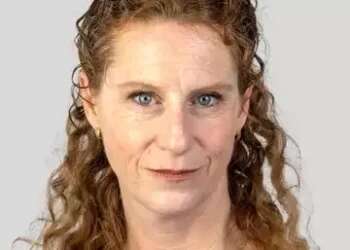
MK Boaz Bismuth is a former editor-in-chief of Israel Hayom.