While international attention is focused on the military campaigns in the Gaza Strip and along Israel's northern border, hundreds of kilometers away a far-reaching geopolitical drama is unfolding that could reshape the Middle East for generations.
The Bab el-Mandeb Strait, a vital international shipping route connecting the Red Sea with the Indian Ocean, has been transformed from a bustling artery of global commerce into a theater of conflict involving Iran's proxy in Yemen, the Houthi rebels.
Yet amid the severe disruption to freedom of navigation, rising insurance costs and the tangible threat to global supply chains lies an unprecedented diplomatic and strategic opportunity for Jerusalem: formalizing an alliance and establishing full normalization with the Kingdom of Saudi Arabia.
The Houthi threat is not merely an isolated security challenge for Israel. For the royal family in Riyadh, the growing strength of the rebels in Yemen and their acquisition of ballistic missiles and drones have posed a direct and deeply troubling threat for more than a decade. Missile launches, attacks on commercial vessels and the continued disruption of shipping lanes strike directly at the core objectives of Crown Prince Mohammed bin Salman's Vision 2030 program.
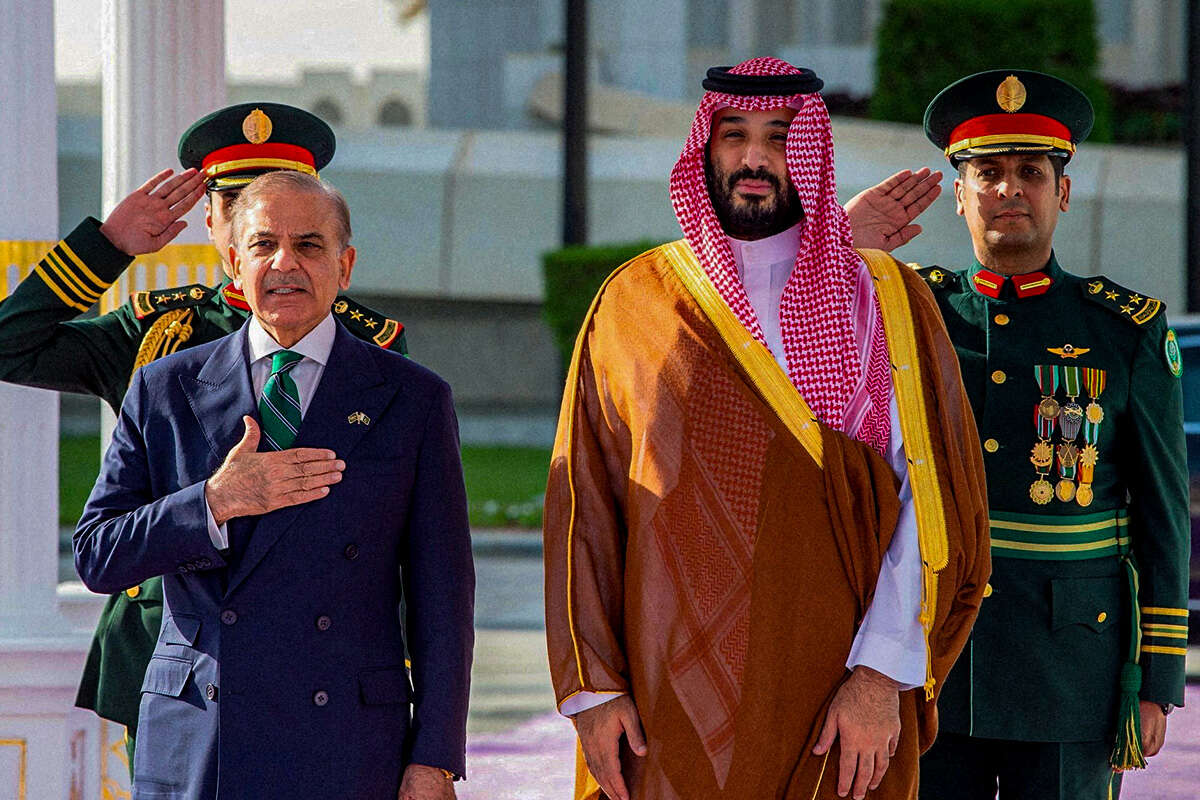
The initiative is designed to diversify the Saudi economy, attract foreign investment and turn the kingdom into an intercontinental logistics and tourism hub. Houthi attacks threaten not only Israel's southern ports but also the ambitious megaprojects being developed along Saudi Arabia's Red Sea coast, chief among them the futuristic NEOM development, whose growth depends on a stable environment.
The emerging security reality has created a profound and unprecedented convergence between Israeli and Saudi strategic interests. In practical terms, the two countries find themselves on the same side in confronting Tehran's efforts, together with those of its proxies, to expand its influence and destabilize the region. The shared struggle against the Houthi threat in the Red Sea provides a broad and solid security foundation and creates a pragmatic bridge that Israel must seek to capitalize on fully.
A central and practical component of this emerging connection is the proposed "land bridge." Faced with prolonged instability along shipping routes around the Horn of Africa, Israel and Saudi Arabia could offer the world an alternative logistics corridor: moving goods efficiently from Persian Gulf ports through Saudi Arabia and the Hashemite Kingdom of Jordan directly to Israel's Mediterranean ports, and from there to European markets.
More than a technological and logistical solution for bypassing maritime disruptions, such a route would amount to a clear geoeconomic statement: the physical and infrastructural integration of the region's moderate axis, leaving Iran and its proxies isolated from the region's principal centers of economic influence.
Formal normalization between Jerusalem and Riyadh would go far beyond a symbolic peace agreement or diplomatic signing ceremony. Such a move would give Israel vital strategic depth, dramatically broaden its legitimacy across the Arab and Muslim worlds and integrate it into a US-backed regional defense architecture incorporating early warning systems, air defense and real-time intelligence sharing.
Despite the challenges and tensions accompanying the regional war, Saudi interest in a broader strategic arrangement involving US security guarantees and security and technological cooperation with Israel remains significant. The kingdom's leadership clearly recognizes the added value of Israel's military, intelligence and technological capabilities as a counterweight to Iranian aggression.
The current diplomatic window of opportunity is limited and cannot be taken for granted. Active support from the administration in Washington, coupled with the urgency surrounding the protection of global trade routes, has created unique momentum that could dissipate if it is not translated into action. Israel's leadership must adopt a clear-eyed, long-term approach and consider tactical flexibility, including on complex diplomatic issues concerning the Palestinians, in order to secure the historic achievement of establishing open relations with one of the most important and influential countries in the Arab world.
This is a "new Middle East" in its most clear-eyed and realistic sense: not a naive vision of a region free of conflict, but a pragmatic alliance of stable, forward-looking powers joining forces against an axis of destruction, terrorism and regional chaos.