

In recent weeks, we have lost sight of developments along our borders, in Gaza, Lebanon and Syria, and have even forgotten about Iran. We have become consumed by a political whirlwind that has paralyzed any serious thought or action, military or diplomatic, in response to the challenges confronting us. Even the debate over Iran has become part of the election campaign, viewed through the narrow lens of who stands to gain or lose politically, in the immediate term, from such an attack.
Those who believe time will stand still, and that the region and the rest of the world will patiently wait for Israel to establish a stable government, are mistaken. At the time of writing, even that prospect seems distant and increasingly difficult to achieve.
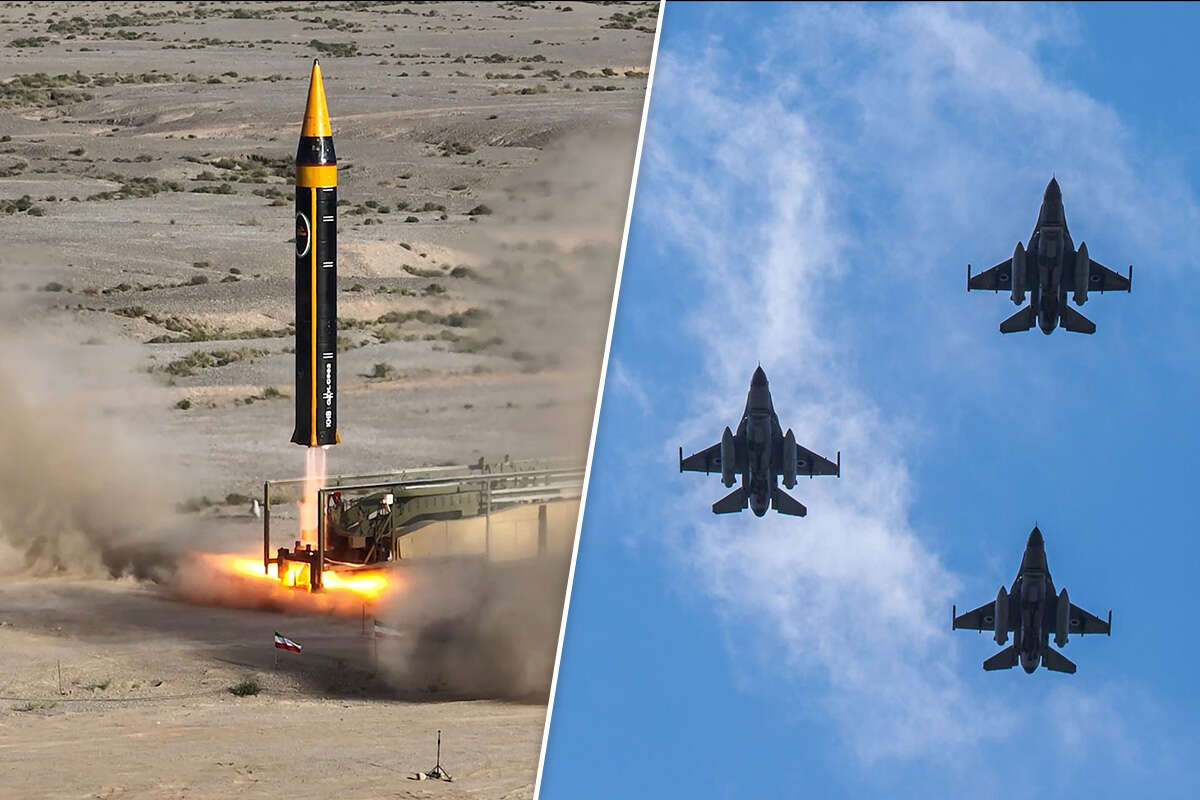
Iran is the most immediate challenge facing Israel. Ostensibly, everyone is waiting for the US midterm elections. But as in Israel, there is no guarantee that the elections will produce any clarity on the Iranian question. More likely, US President Donald Trump will continue to toy with both Israel and Iran, announcing one day that he intends to launch an attack, only to call the next day for renewed negotiations with Tehran. Those talks are probably continuing behind closed doors and could one day blow up in our faces.
In any event, it is difficult to imagine Trump launching an all-out war aimed at overthrowing the Iranian regime, something he declined to do when he had the opportunity about six months ago. Dealing with an erratic President Trump will require considerable judgment and resilience on Israel's part, not only in confronting Iran but also in resisting pressure from the president himself. Trump might, for example, expect Israel to attack Iran on its own, bear the consequences alone and ultimately achieve nothing.
Whatever happens, the Iranian threat is here to stay. It will continue to cast a long shadow over Israel for the foreseeable future. What is needed is a strategy, not merely a military one, but a diplomatic one as well. Without such a strategy, Israel will find itself dragged into one round of military confrontation with Iran after another, with no clear objective or realistic prospect of achieving anything, just as has happened over the past year.
Gaza, too, remains an unresolved challenge. Here as well, Trump could wake up tomorrow morning and decide that the time has come to advance his peace plan. The plan may bear little resemblance to the reality on the ground, but everything always looks rosier from the White House.
More broadly, the US administration has refrained from restraining Israeli operations in Lebanon, Syria and Gaza because of the election campaign. But there is no guarantee Washington will continue to give Israel a free hand. After all, the administration has a clear vision of the new Middle Eastern order it wants to establish to serve American interests. Countries such as Qatar and Turkey, as well as Syria and Lebanon, have important roles to play in that vision. From Washington's perspective, Syrian President Ahmed al-Sharaa and the Lebanese government are among the good guys. Israel, therefore, may be the one asked to pay the price.
As a result, Israel could find itself pressured into accepting sham agreements in both Gaza and Lebanon, arrangements that promise calm in the short term but require us to accept the continued existence of Hamas and Hezbollah. Both organizations may be weakened, but they will remain standing, determined to rebuild their strength.
Since the Oct. 7, 2023, Hamas attack, we have allowed events to dictate our course. We have lacked a clear military and diplomatic direction, forgetting that without a political vision to complement military action, we will remain mired in the day-to-day demands of maintaining security. We will achieve neither a decisive victory nor an agreement, even one limited to security arrangements, that would allow us to turn our attention to rebuilding and rehabilitating the country and Israeli society.
And all this is before we even consider the diplomatic challenges awaiting us, foremost among them the danger that Israel could become an isolated nation, cut off from the wider world and, above all, from the global economy.
The task facing any future Israeli government is clear: to formulate a comprehensive strategy concerned not merely with political survival, but with advancing Israel's security and diplomatic interests. Such a strategy must make it possible to establish a new Middle Eastern order in which Israel serves as a cornerstone.
Becoming trapped in one election campaign after another would be a disaster. The US will not wait for us. Neither will Iran or the Arab world.


