

Although everyone insists this is the most consequential election in Israel's history, some of us cannot help drawing comparisons with previous elections that were no less momentous. Ironically, the left-wing bloc is looking back to 1977, imagining a historic political upset that will bring the "Netanyahu era" to an end, as though the Left had not been in government just four years ago.
On the Right, meanwhile, there are fears of a repeat of 1992, when small parties squandered votes that could have gone to the right-wing bloc, paving the way for an unabashedly left-wing government that promised an unabashedly left-wing agenda and delivered exactly that. Those fears are justified today.
But if there is one election that resembles the current campaign, it is actually the election of 2021. For one thing, both took place in the shadow of Prime Minister Benjamin Netanyahu's trial. The torrent of revelations about failures in the investigation and indictment has failed to penetrate the media establishment's protective wall. The fact remains that the legal campaign to sideline Netanyahu and the political boycott against him continue to this day, as though nothing had come to light in recent weeks.
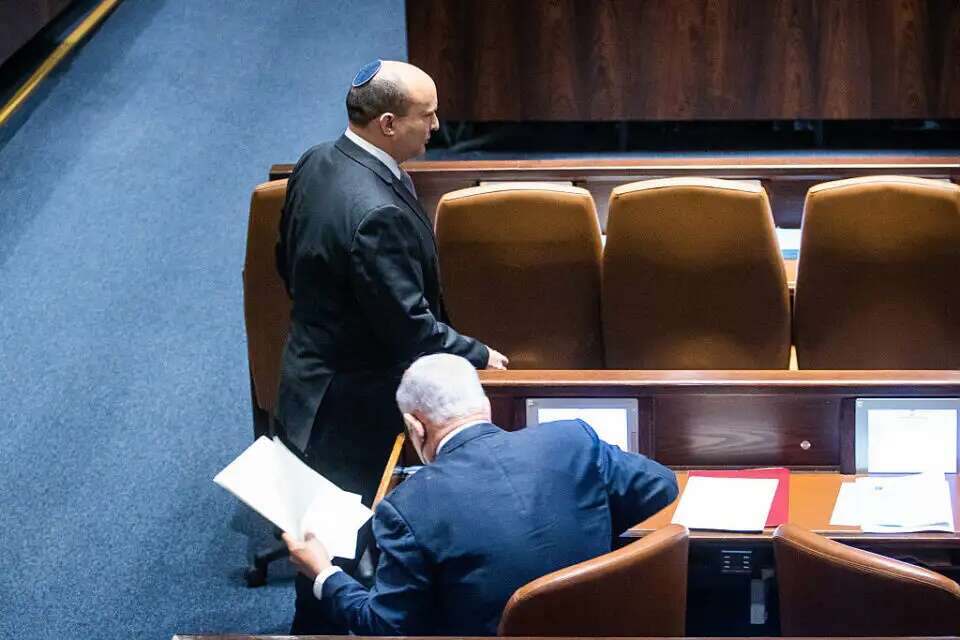
It was that same boycott that led former Prime Minister Naftali Bennett and his political partner, former Justice Minister Ayelet Shaked, to lie to and betray their voters in 2021. Instead of standing with the national camp against what many already recognized as political persecution carried out through the legal system, they chose to form a government that handed power to the Left.
Their justification was borrowed almost entirely from the rhetoric of the opposition and the left-wing media: Under Netanyahu's right-wing leadership, the country was falling apart, society was disintegrating and the nation was suffocating. Urgent intervention and drastic action were supposedly needed to save, rebuild, heal and repair the country. Everything was broken. Netanyahu had left behind scorched earth, a country in ruins. And as they said at the time, "We'll take it from here."
Those were the days when Israel was emerging from the coronavirus pandemic. Perhaps it is worth recalling that the media portrayed Netanyahu and his ministers as a "government of failure" because of their alleged "mishandling of the pandemic." Bennett rushed to publish a hastily written booklet on how to defeat a pandemic, which has since earned a place among the greatest works of unintentional parody of all time.
The inheritance Bennett received
In the real world, however, that government of change and healing inherited from its predecessor an economy that was among the first in the Western world to emerge from the COVID crisis.
That was thanks to the Netanyahu government's phenomenal handling of the pandemic: its vaccination campaign, its ability to leverage diplomatic relationships and medical and scientific expertise, and, above all, the prime minister's charismatic leadership. Despite childish protests against the lockdowns, that leadership managed to inspire the public to demonstrate solidarity and personal responsibility on a massive scale.
While many developed countries were still grappling with lockdowns and shortages of vaccines and medical equipment, the so-called "government of destruction" left behind an open economy.
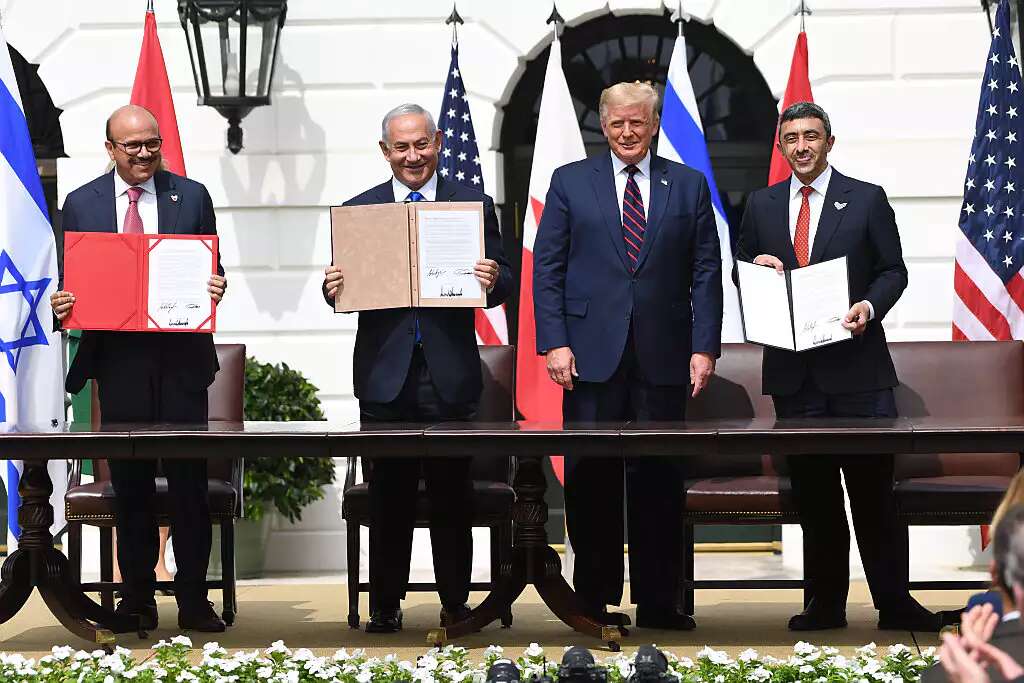
And then there were the Abraham Accords, barely six months old at the time, which had opened unprecedented diplomatic and economic opportunities for Israel. Any incoming leader would have jumped at the chance to inherit a country in such a position: a pandemic defeated and a promising diplomatic and economic future stretching ahead.
That is precisely what is happening now.
It took the feeble cryptocurrency spin to finally get people talking about the economy, after months in which the country's surprisingly strong economic figures, extraordinary growth forecasts and hard numbers were kept out of sight. Those figures demonstrate beyond any doubt, and despite every attempt at manipulation and suppression, that the so-called "government of destruction" and Finance Minister Bezalel Smotrich are leaving behind economic indicators that any government would dream of inheriting.
The reality the media is hiding
After three years of war, it is also difficult to dispute that the "government of destruction," in stark contrast to its political rivals, has freed itself from the disastrous assumptions that once dominated Israel's political and security leadership. This is the reality as it stands: Our bitterest enemies have been weakened on every front, while Israel has secured exceptionally favorable conditions for maintaining security control across the various theaters.
Battered and decapitated terrorist organizations are afraid to make a move, their supply lines severed. Iran is a pale shadow of its former self, weakened, facing an accelerating collapse and approaching its death throes. Its nuclear program has suffered a devastating blow, and our ally, US President Donald Trump, is simply waiting for his Israeli partner to eliminate the greatest existential threat once and for all. Moreover, the agonizing moral dilemmas surrounding hostages and missing persons are now behind us.

All this happened despite pressure from Netanyahu's political opponents, the very people now running against him, to stop, end the fighting, back down, withdraw, halt the war and surrender as quickly as possible, "at any cost! Any cost!" A powerful economy, a strategic transformation, new diplomatic horizons and the prospect of expanding the Abraham Accords.
This is the reality that large sections of the media would rather you did not see, just as they would prefer to conceal the uncomfortable truth emerging from Netanyahu's trial.
And no, that does not mean everything is ideal. The war has left scars that will need to be addressed and painful wounds that must be healed. Deep-rooted social issues, some decades old, demand serious, comprehensive solutions.
But if we turn off the relentless drone of propaganda for just a moment and clear away the fog of concealment, we will discover an inheritance and a wealth of potential that could allow the next government to reach for the stars, provided its leaders know how to read the new strategic landscape as the outgoing government has done.
That is what this election is about. The truth.


