


Many important issues will be affected by the election results, but all pale in comparison to the vital campaign against the imperialist, genocidal regime that still rules Iran. We have succeeded in severely weakening it, but we must rid the world of it, as US President Donald Trump has just said. Otherwise, it will undoubtedly resume its efforts to destroy us.
We are familiar with the misleading reassurances: The Iranians have never initiated a war; Israel and Iran will simply reach a balance of mutual deterrence. Those offering such reassurances from within Israel's security establishment forget that Iran's Islamists have been attacking wherever and whenever they can for nearly 50 years, spilling rivers of blood in Iran, Lebanon, Iraq, Syria, Yemen, Argentina, Europe and Israel.
They forget that the constraints on Iran's ability to act will disappear the moment it acquires nuclear weapons in any form. These voices of reassurance also irresponsibly suppress what they know about the regime's murderous intentions, driven by both imperial ambitions and an apocalyptic fixation on doomsday.
Others within Israel's security establishment have repeatedly advocated a more moderate approach over the past several decades. While not denying the danger, they have been reluctant to confront it head-on, preferring instead to place their faith in the "international community."
We still remember the "success" of then-IDF Chief of Staff Gabi Ashkenazi and then-Mossad Director Meir Dagan, backed by then-President Shimon Peres, who had opposed the 1981 bombing of Iraq's nuclear reactor, in thwarting an attempt by Prime Minister Benjamin Netanyahu and Defense Minister Ehud Barak to threaten a military strike against Iran. That effort was undermined through unauthorized actions Dagan took behind Netanyahu and Barak's backs.
This approach remains widespread and influential within the security establishment. We also remember the ostensibly moderate statements made by several senior defense officials in response to the nuclear agreement signed by US President Barack Obama and the Iranian regime in 2015, an agreement that opened a "legitimate" path to nuclear weapons for the Islamists.
Senior figures in our security establishment, though not all of them, effectively shrugged off Netanyahu's fierce opposition to the agreement. Some explicitly, others implicitly, expressed reservations about his bitter confrontation with Obama over the deal.
One of those moderate senior officials was Gadi Eisenkot, the IDF chief of staff when the Obama-era nuclear agreement was signed and now one of the contenders for the premiership.
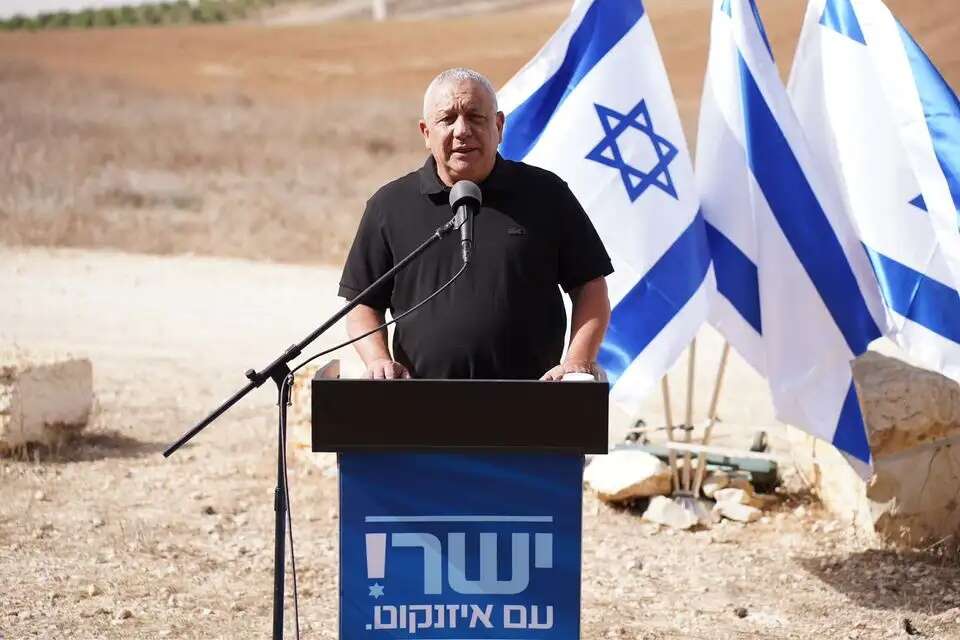
Speaking at a research institute in early 2016, in remarks subsequently published in an English-language journal, Eisenkot said the agreement was dangerous in many respects but also presented opportunities, presumably opportunities to redirect budgets toward other missions. He argued that Israel would be better off not operating on the assumption that the worst-case scenario would necessarily materialize.
In doing so, he distanced himself from the position of the prime minister to whom he was subordinate. This was reflected in his assertion that the agreement represented a significant change in Iran's direction and had altered the IDF's assessment of the Iranian threat.
Indeed, in a 2022 interview, Eisenkot acknowledged that in 2016 there had been a clear conceptual divide between what he called the security establishment and Netanyahu. That very divide is now before voters in tomorrow's election.
In that interview, as he was preparing to enter opposition politics and eventually lead the opposition, Eisenkot offered measured but unmistakable criticism of Netanyahu and his associates for failing to coordinate with the IDF their efforts to persuade the Trump administration to withdraw from the Obama-era nuclear agreement.
He described the US withdrawal from the agreement as a "strategic mistake." Today, there is good reason to believe that this assessment was itself a strategic mistake.
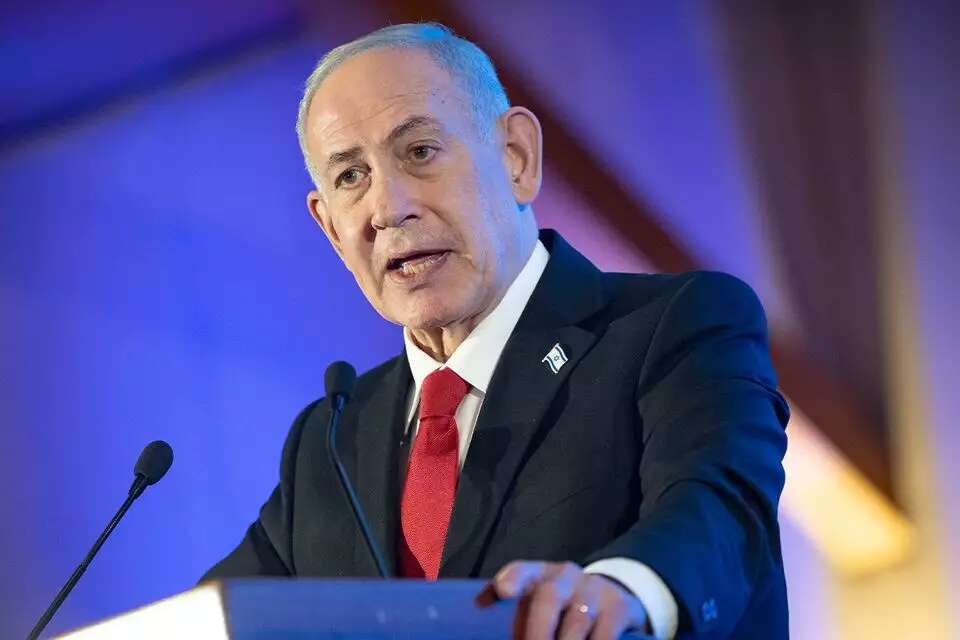
In the same interview, Eisenkot offered further reassurances: Iran had not launched a large-scale attack against another country on its own initiative in the past thousand years, engaging "only in terrorism."
"North Korea has nuclear capabilities, and people in South Korea live peacefully without talking about an existential threat. There is no reason to panic under any circumstances. The US is covered by a target bank of Russian and Chinese nuclear missiles that could land there in no time, and the Americans don't seem particularly worried to me," he said.
Many people in the defense establishment, including highly capable professionals, share Eisenkot's outlook. It is a legitimate position, but a mistaken one, because it ignores the enemy's destructive commitment.
Those who support this approach should vote for Eisenkot. Those who recognize the danger it poses should support Netanyahu.


