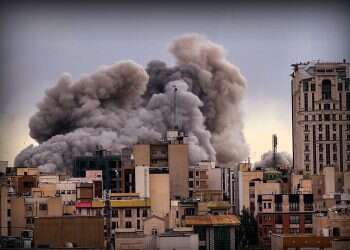
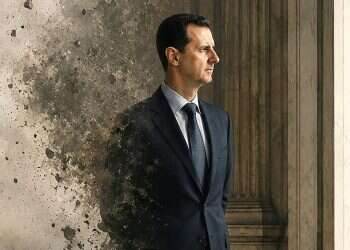
Efforts to solidify its foothold and place missiles in western Iraq, arms shipments to Lebanon, and the precision missile factories that were attacked in Syria on Tuesday – are all just a fraction of Iran's activities in the region.
These steps (which have been reported; we can assume there's quite a bit more that is known but hasn't been revealed) point mainly to one thing: Iranian determination to pursue the course of action plotted by the regime in Tehran. This plan is executed by the Quds Force under the command of Maj. Gen. Qassem Soleimani – unquestionably and unrivaled as the most dangerous person in the world.
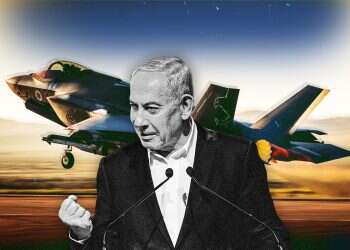
Standing between Iran and the successful implementation of its plan is Israel. More than a few players are helping it, chief among them the United States, but the brunt of the work, as we saw yet again on Tuesday, is done by Israel. It has hit around 200 Iranian targets in Syria since January of 2017, with some 800 missiles and bombs.
In this war, everything goes. From attacks such as the one attributed to Israel on Tuesday – which curiously took place in broad daylight – to the various reports that have appeared in the foreign press, which we can assume don't reach those news desks by chance. The bottom line is that Iran is the source of evil in the region, and comprehensive action is required to stop it.
Behind these actions, it isn't hard to spot Israel's growing concern, not to mention frustration, over the fact that Iran is adhering to its plan of action to solidify its presence in the area. Amid the backdrop of the severe economic crisis in Iran and intensifying criticism from home is a real debate over the Quds Force and its activities, including within the regime's more conservative wing – but as of now, there's no change in this policy which saps billions of dollars a year.
In the meantime, and we should hope into the future as well, Israel has the upper hand. The Iranians are still far from reaching their goals, mostly in Syria, and despite their declared intent they have also failed to exact a price from Israel for its overt and covert countermeasures. The nature of these types of conflicts, however, is that they don't end quickly or in a final score. Required are fortitude, endurance and the willingness to exact and pay the cost of victory, even if it isn't complete.
Hence, things will continue as they were. From the security aspect, over the past year, the Israeli public's attention has mostly been diverted to incendiary kites and balloons from Gaza, but the defense establishment has largely remained fixed on Iran. We can assume this will continue to be the case throughout the coming year and will continue to be the main task of the IDF's next chief of staff, slated to replace Lt. Gen. Gadi Eizenkot on January 1.