


After waiting several days since the severe massacre in Majdal Shams, it appears that Israel chose the most aggressive option among the possibilities presented by the IDF to Prime Minister Benjamin Netanyahu and Defense Minister Yoav Gallant, who were authorized by the cabinet to decide on the matter.
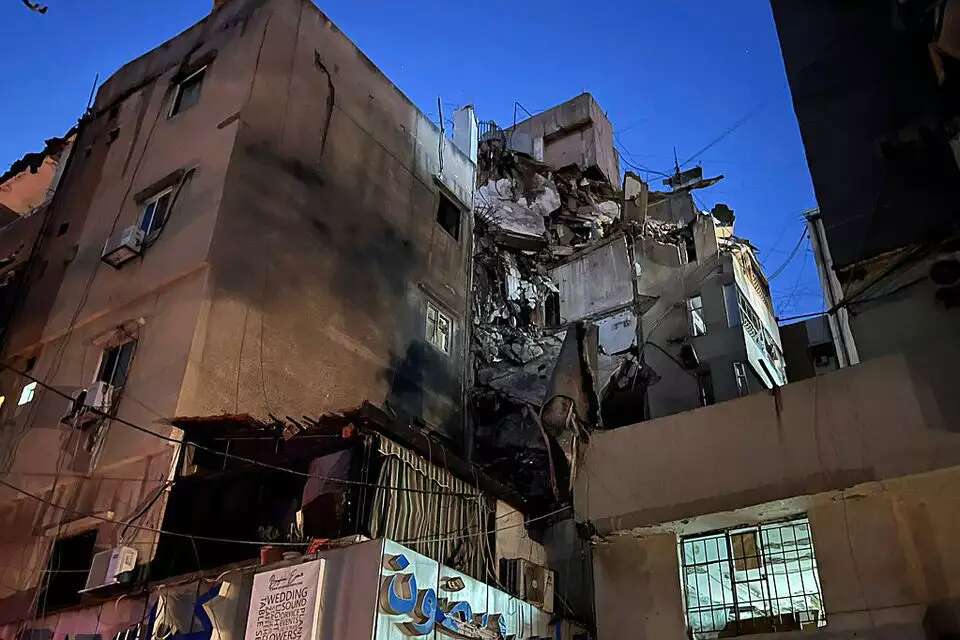
The assassination, targeted a shadowy figure who managed Hezbollah's military operations and served as the terrorist organization's chief of staff.
Fuad Shukur, known by the alias Hajj Mohsen, has been wanted by the U.S. for many years due to his long-standing involvement in deadly terrorist attacks against Americans. In 2017, Washington offered a $5 million reward for information leading to his capture. According to information from the U.S., Mohsen was very close to Hezbollah's chief of staff, Imad Mughniyeh, who, as is well known, was assassinated by Israel in February 2008 in Damascus. Together, they played a senior role in the attack on the Marine barracks in October 1983, where 241 American soldiers were killed. Little is known about Mohsen, other than his birthplace, Nabi Sheet, in 1962, and that he was part of Nasrallah's inner circle and the senior commanders Nasrallah relied upon.
Since joining Hezbollah in the early 1980s, Hajj Mohsen climbed the ranks and gained a senior position within the organization's operational hierarchy. Following Mughniyeh's assassination, his status rose, and he gradually became the de facto second in command. This was partly due to the controversial assassination of Mustafa Badreddine, who was responsible for Hezbollah's forces in Syria. This internal assassination within the terrorist organization occurred in 2016, due to a conflict between the leadership and Badreddine.
What Will Be the Response?
The Israeli strike is a dramatic and reality-altering move. While the primary focus of the war had been in Gaza, Hezbollah may now intensify the conflict. In consultations likely to be held with its patrons in Iran, the organization will decide how to respond.

At this stage, we must wait and see if Hajj Mohsen was indeed killed, which will directly impact the scope and nature of the response. If he was not killed, Hezbollah's response is expected to be less intense, and the risk of entering an all-out war is not high. In such a scenario, the Lebanese terrorist organization may extend the range of its attacks, aim to inflict casualties, and not limit itself to targeting IDF assets. In other words, in this scenario, Hezbollah is expected to do "a bit more" than it has done so far.
If Hajj Mohsen was indeed killed, there are three main scenarios:
- A one-time missile attack on Tel-Aviv: According to Nasrallah's logic in war and in general, Hezbollah seeks to retaliate against Israel in an "eye for an eye" fashion. Due to Israel's technological and intelligence superiority, Hezbollah cannot eliminate a senior Israeli figure in a missile attack. Therefore, it may choose to respond with a missile strike aimed at Israel's heart, Tel Aviv, in an attack equivalent to the Israeli strike in Dahiya, Beirut.
- All-Out War: So far, Hezbollah's guiding logic in the war has been to wear down Israel to assist Hamas and Islamic Jihad in Gaza. If Nasrallah and the leadership in Iran feel the time is ripe to enter an all-out war that will incur significant costs to Israel, Hezbollah will launch a heavy missile strike under which it may attempt to initiate the "Galilee Conquest" plan. Under this plan, Hezbollah would try to infiltrate Israel with thousands of its elite Radwan Force fighters to seize a strip of Israeli territory, as Nasrallah has promised since 2014.
- An Intense Strike: Hezbollah may choose to execute an intense strike that includes expanding the range of its fire and using precision missiles to inflict as much damage on Israel as possible in response to the historic assassination.
How Should Israel Prepare?
At this stage, Israel must activate all its intelligence tools to anticipate Hezbollah's response in advance. If it becomes apparent that the Lebanese terrorist organization is about to initiate an all-out war, Israel should consider a preemptive strike aimed at depleting as many of Hezbollah's assets as possible (senior commanders, tunnels and strategic headquarters, weapon depots, etc.), so that Hezbollah enters the war less prepared.
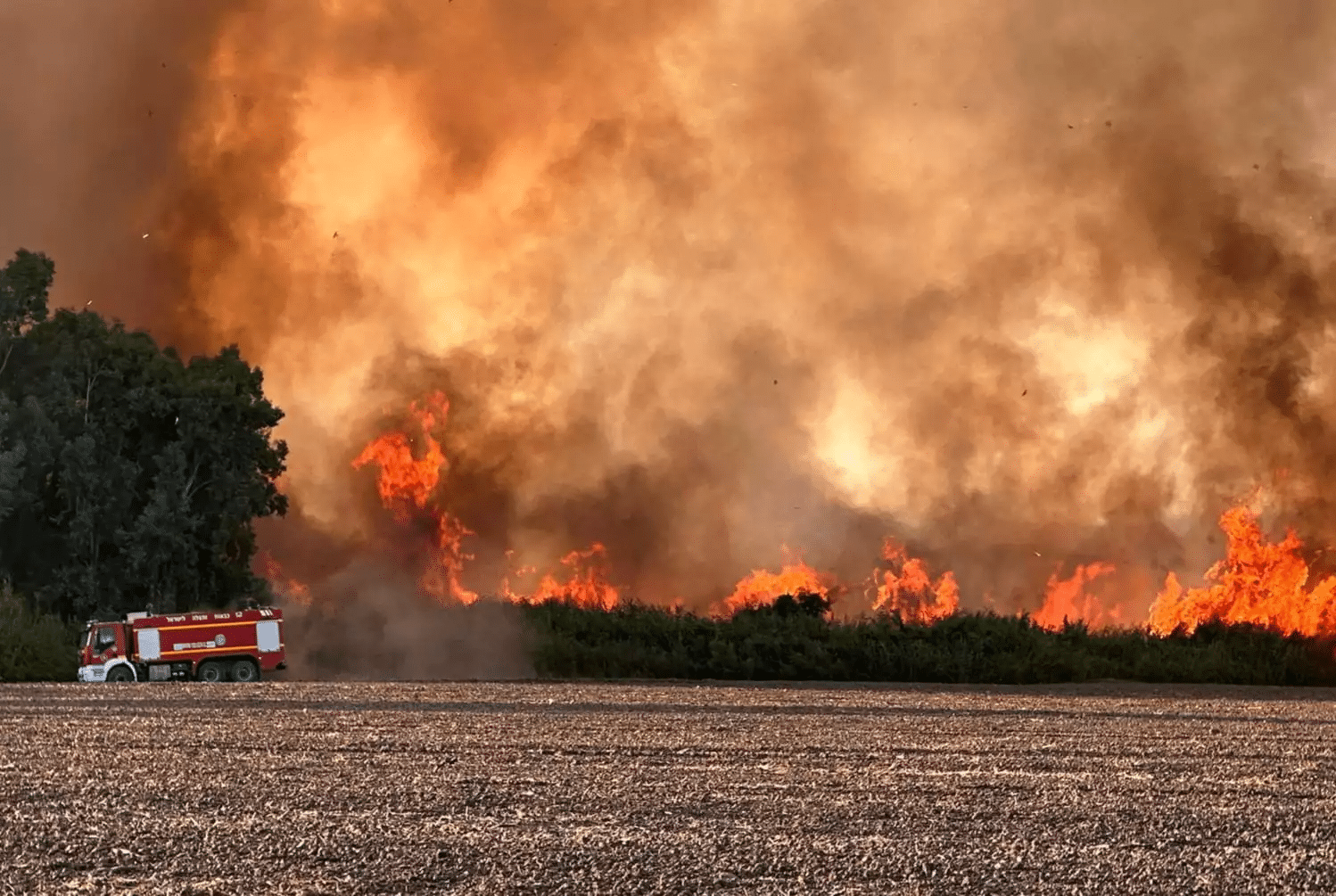
Additionally, Israel should significantly reinforce its defensive belt along the Lebanese border (carefully, to prevent sniper attacks) to counter a possible invasion by the Radwan Force. Moreover, Israel should utilize its main spokespersons, including the Prime Minister and Defense Minister, to warn the Lebanese government and people that war will lead to the destruction of Lebanon's infrastructure and widespread devastation across the country—unlike the 2006 Lebanon War.
Simultaneously, Israel should mobilize the IDF to be as prepared as possible for war in Lebanon, including a ground maneuver aimed at pushing Hezbollah away from the border, ideally up to the Litani River, as a primary objective of the all-out war if it erupts.
Dr. Yossi Mansharof s an expert on Iran and Shiite political Islam at the Misgav Institute for National Security & Zionist Strategy, in Jerusalem.


