Amid US efforts to persuade Hezbollah to lay down its arms, Sky News Arabia reported that American diplomatic sources acknowledged the international initiative had reached an impasse. Officials in Washington warned that Lebanon risks remaining "paralyzed and externally dependent" due to Hezbollah's dominant position.
According to the report, the US had pushed for the creation of economic and political conditions that might encourage Hezbollah to voluntarily and fundamentally address the weapons issue. The proposal reportedly included financial commitments totaling billions of dollars from Gulf states, along with the immediate launch of negotiations with Israel "inspired by the Abraham Accords."
However, key figures in Beirut rejected the offer and preferred to preserve the current political and security reality. As a result, the sources predicted that international engagement with Beirut would revert to "traditional diplomatic rhythms," reducing talks to technical exchanges rather than the basis for meaningful change.
A senior US official stated, "Unfortunately, they prefer the status quo, which means Lebanon will remain a failed state," adding that "the moment of potential change, created by President Donald Trump through his energy and vision, has now passed."
The sources further warned that continued avoidance of the Hezbollah weapons issue would lead to "ongoing erosion of state institutions," and asserted that Lebanon "has become the only country that fully sponsors a foreign terrorist organization as a central pillar of its political leadership."
Meanwhile, Israeli airstrikes against Hezbollah targets have become routine, with the Israeli public largely indifferent to yet another successful strike or elimination of a target in southern Lebanon or the Beqaa Valley.
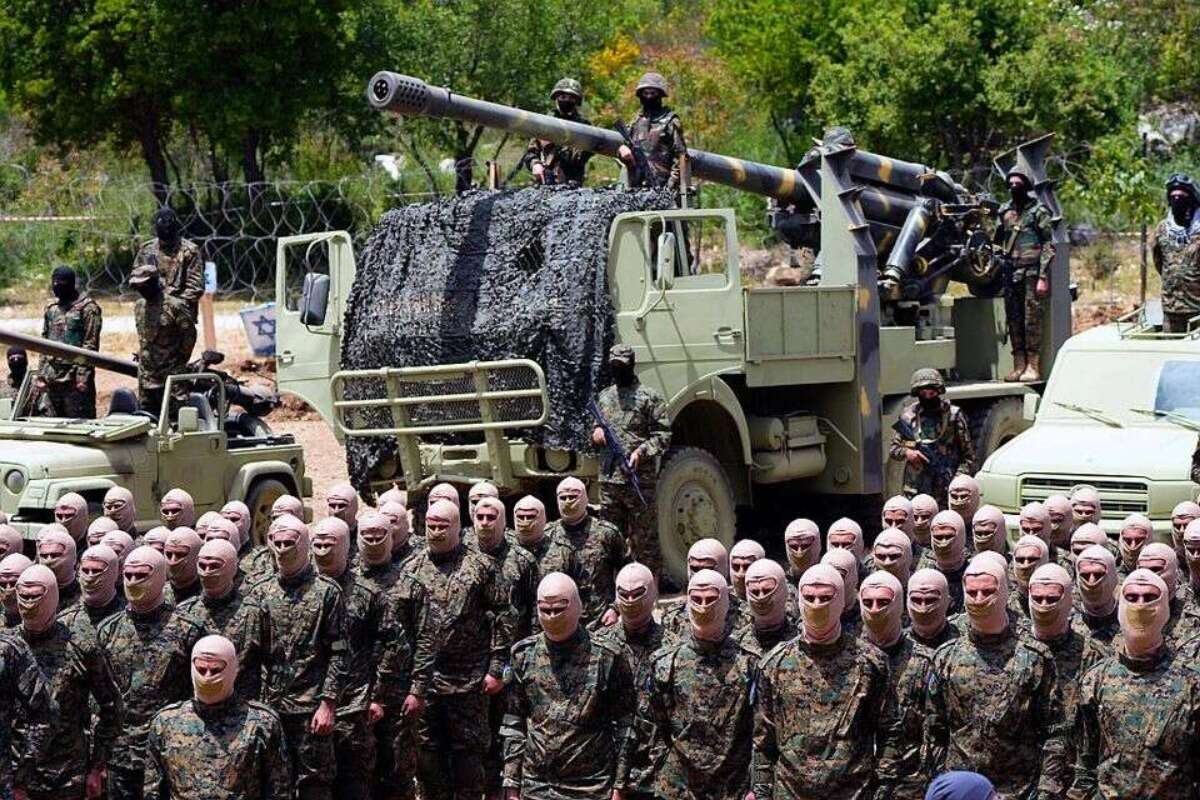
According to sources familiar with Israeli intelligence assessments, Hezbollah is now weaker than ever and is believed to possess only about 10,000 rockets, down from an estimated 120,000 on the eve of the war.