Historic talks between Israel and Lebanon, mediated by the US, opened Tuesday in Washington. During the roughly two-hour meeting, the IDF warned that "there could be increased fire from Hezbollah toward the north."
US Secretary of State Marco Rubio, who is mediating the talks, said, "This is a process, not a single event." Lebanon's president said he hoped the meeting would mark "the beginning of the end of the suffering of the Lebanese people." All the details from the historic meeting, which could pave the way for "a peace agreement between Israel and Lebanon."
Israel's Embassy in Washington said that after two hours, the diplomatic meeting between Israeli Ambassador to the US Yechiel Leiter and his Lebanese counterpart, Nada Mouawad, had concluded. It was the first direct negotiation between Israel and Lebanon since 1993.
Groundwork for a peace agreement
The negotiations between Israel and Lebanon, officially launched at the ambassadors' meeting in Washington, are intended to lay the groundwork for talks on a full peace agreement between the two countries, including normalization and joining the Abraham Accords. That is the assessment and hope of the three parties involved in the talks: Israel, the US and Lebanon. At the same time, the initial aim is to reestablish the ceasefire agreement signed in November 2024, which is currently being implemented on the ground. Israel has reduced its strikes in Beirut, but continues to act against immediate threats or preparations for such threats.
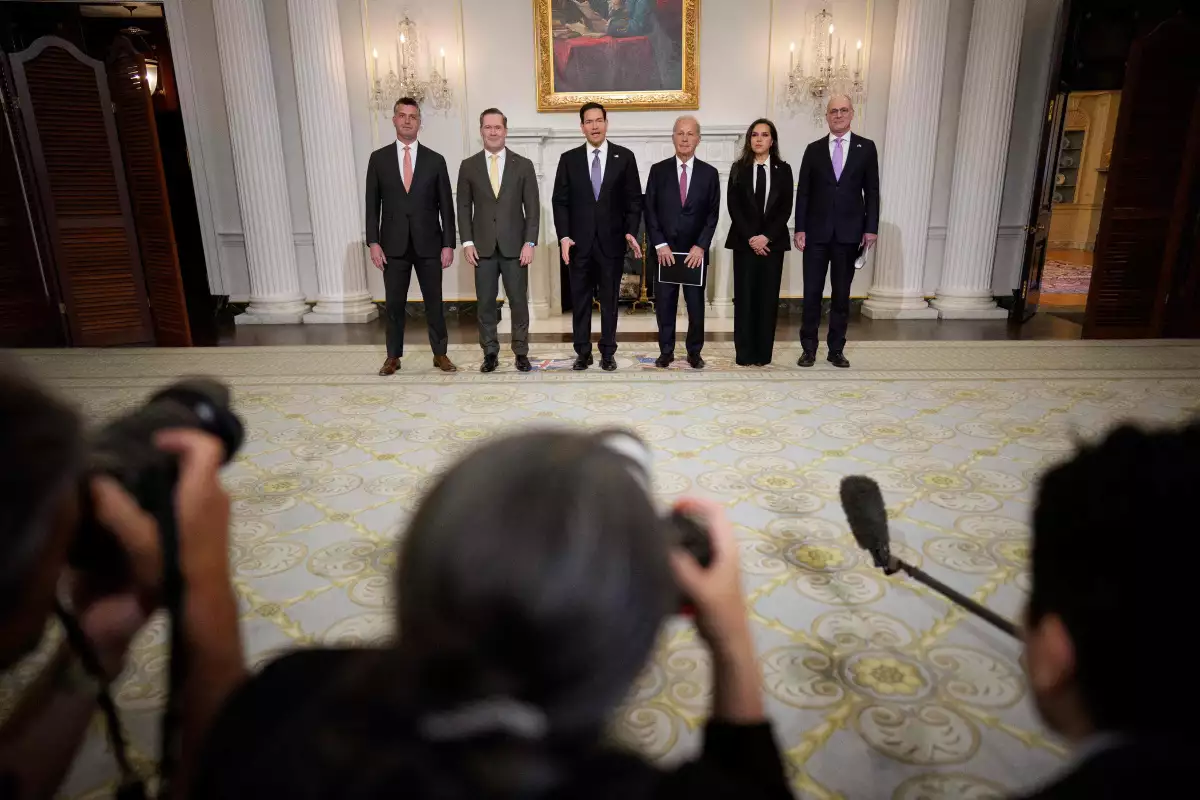
Before the meeting, the representatives gathered for a photo op that included Leiter and Mouawad, US Ambassador to Lebanon Michel Issa, Rubio and the secretary of state's senior adviser, Mike Needham. Leiter stood next to the Lebanese ambassador.
What they said in Israel
After the talks, Israeli Ambassador Yechiel Leiter said: "I commend President Joseph Aoun and his government for refusing to be held hostage by the threats of Hezbollah's leader. Naim Qassem and his organization belong to the past; we are here for the future. I believe with all my heart that we can achieve these intertwined goals: the complete disarmament of Hezbollah, the liberation of Lebanon from Iran's terrorist proxy, and the achievement of genuine peace."
The Prime Minister's Office said Monday that the dialogue between Lebanon and Israel was continuing, with the goal of "disarming the Hezbollah terrorist organization, pushing it away from Lebanon, and establishing peaceful relations between our two countries." At the same time, it stressed that "there will be no discussion of a ceasefire with Hezbollah, which continues to carry out indiscriminate attacks against Israel and our civilians."
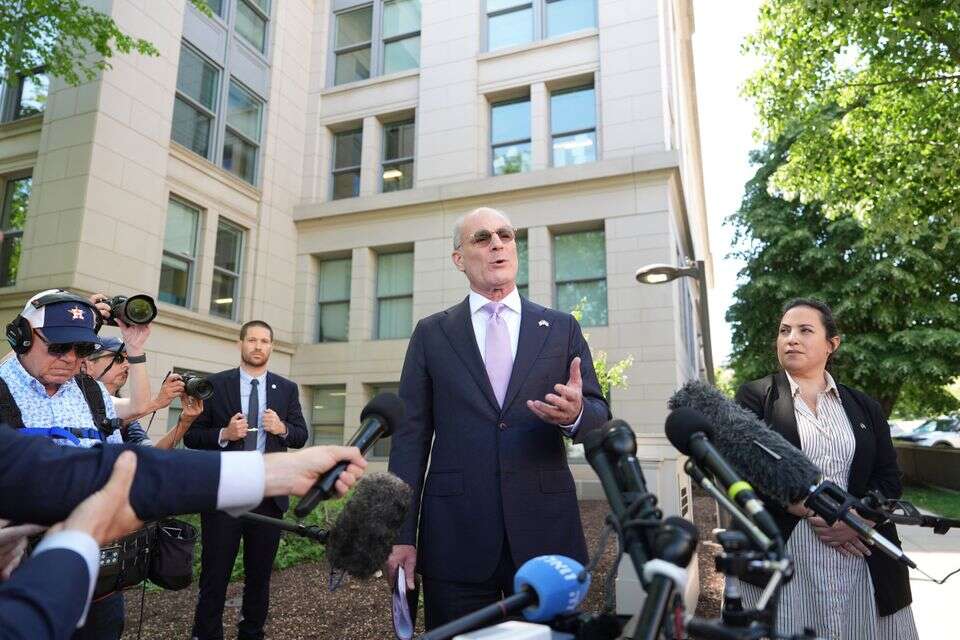
What they said in the US
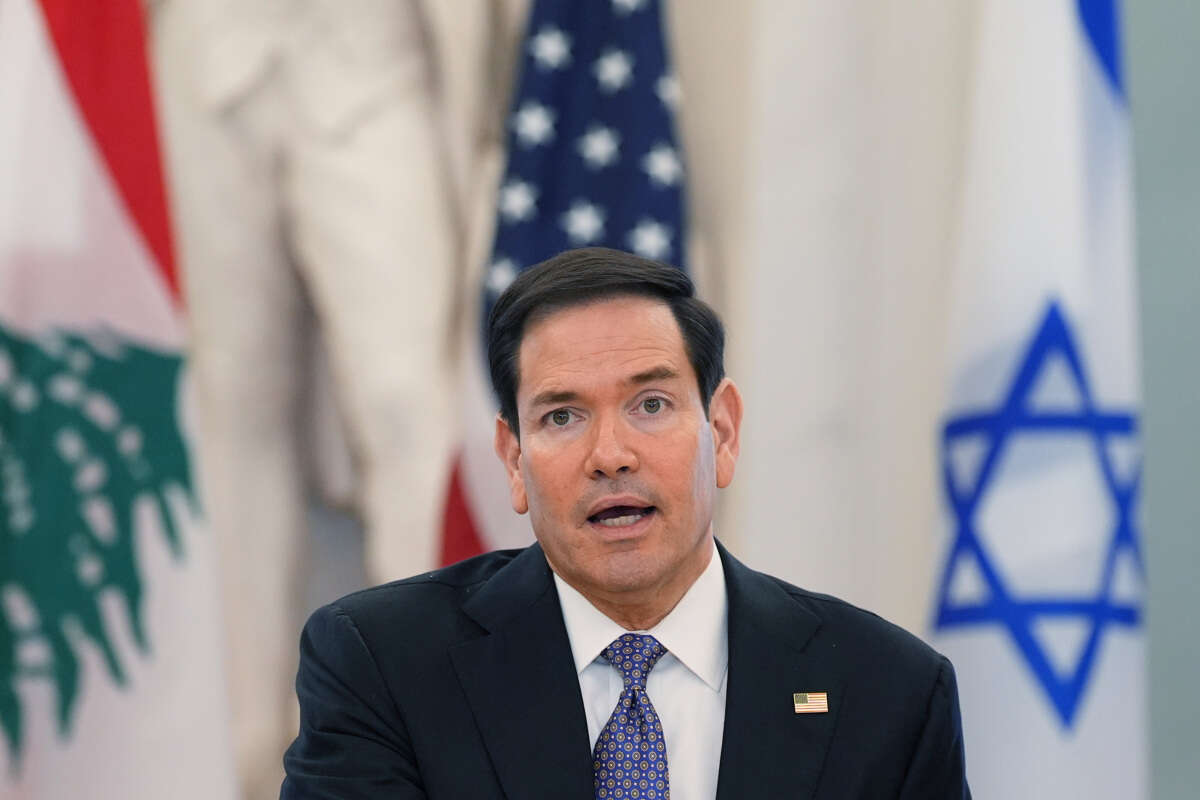
At the opening of the talks, Rubio said they were a historic opportunity and that although not all the complexities would be resolved in the coming hours, he hoped the sides would begin moving forward. "The people of Lebanon are victims of Iranian aggression, and that needs to stop," Rubio said in remarks that opened the talks in Washington.
"I know this will be a process. All the complexities will not be resolved in the next six hours, but we will start moving forward with something very positive so that the people of Lebanon can have the future they deserve, and so that the citizens of Israel do not have to live under missile attacks from Iran's terrorist proxy."
Earlier Tuesday, sources in the US State Department told Lebanon's MTV channel that the negotiating process beginning that day was very positive and "the only path to peace." According to the sources, a handshake was expected between the Lebanese ambassador and the Israeli ambassador in the presence of Michel Issa, the US ambassador to Lebanon, before the start of the talks. The sources also said a statement was expected later.
What they said in Lebanon
Israel, Lebanon and the US issued a joint statement after the talks in Washington saying that "all sides agreed to launch direct negotiations." The US side said Washington "supported Lebanon's plans to restore the state's monopoly on arms, end internal Iranian influence, and uphold Israel's right to defend itself." The Israeli side said it "expressed support for dismantling all non-state armed organizations."
At the same time, in response to the direct talks with Israel, Hezbollah Secretary-General Naim Qassem said the Lebanese leadership had made concessions for free. He said the Lebanese leadership was demanding a ceasefire, but that the contacts were being conducted under the banner of "surrender." Later in the day, Israel's Embassy in Washington was expected to issue a statement on the talks.