Members of the Jewish community in Iran have been breathing easier since US President Donald Trump announced a ceasefire about a week ago, especially given that none of the community's members were physically harmed. During the war, however, several Jewish homes were damaged, and a synagogue in Tehran was also hit, an incident the ayatollahs' regime exploited for propaganda purposes.
Sources in the Jewish community told Israel Hayom that during the war, the community maintained an almost normal routine, as much as possible. All public events during the war, including weddings and similar gatherings, were postponed or canceled altogether.
The Jewish community lives under heavy pressure from the regime to align itself with regime propaganda, while remaining under the close watch of Iran's security apparatus.
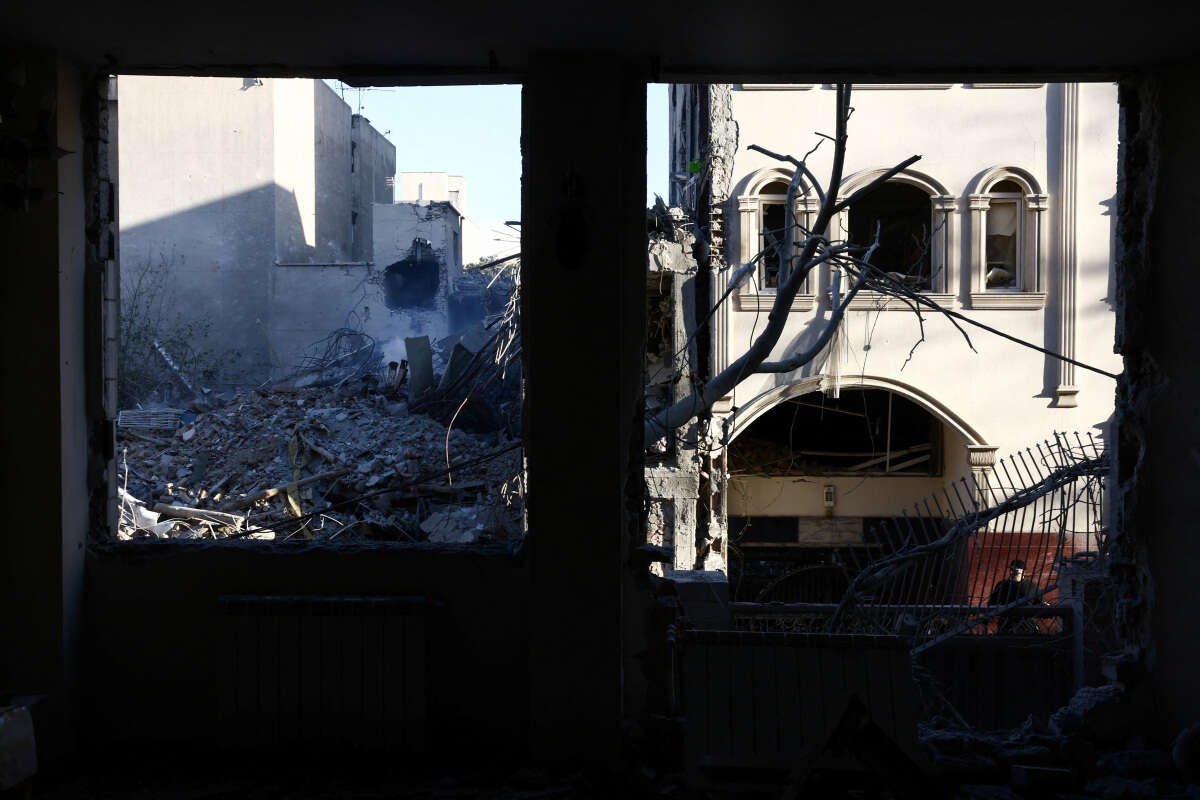
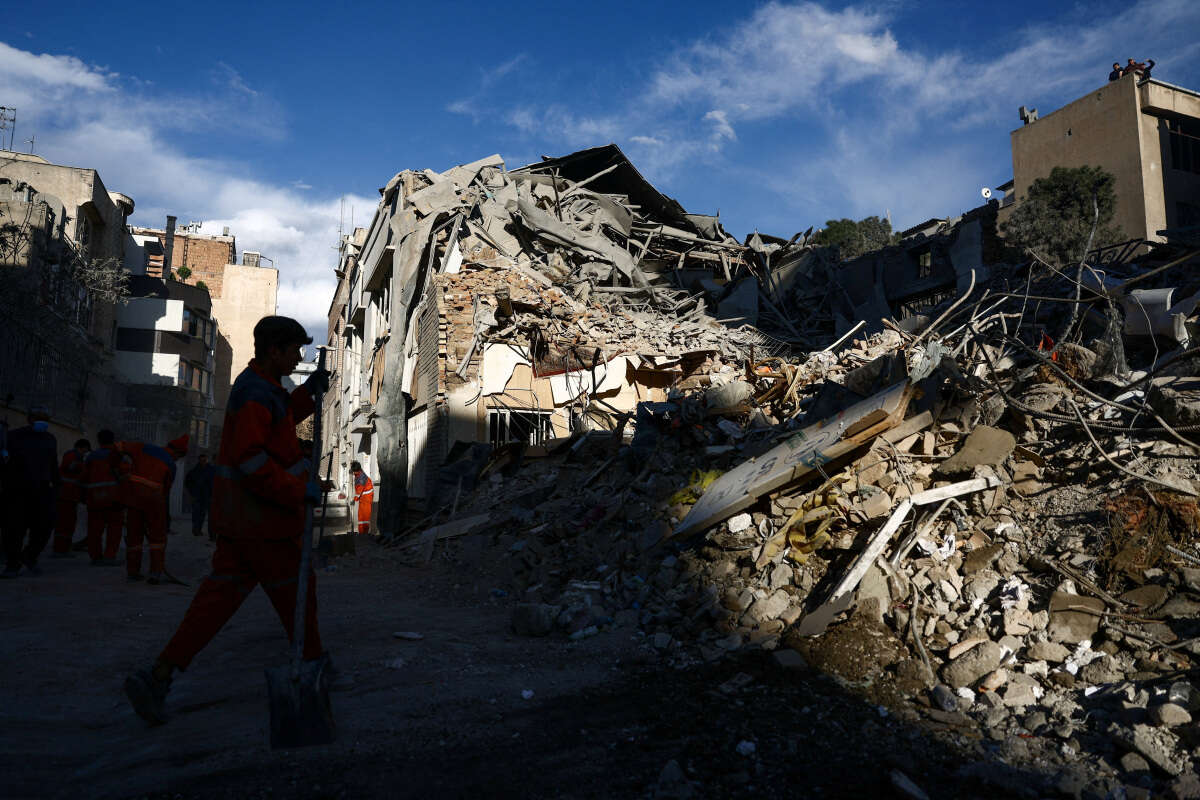
One of the central incidents involving the community during the war was the destruction of the Rafi Nia synagogue in Tehran, which was accidentally damaged when a nearby building was attacked. The regime made sure to publicize the incident widely for propaganda purposes, while downplaying the extensive damage suffered by its military bases, nuclear facilities and ballistic missile systems.
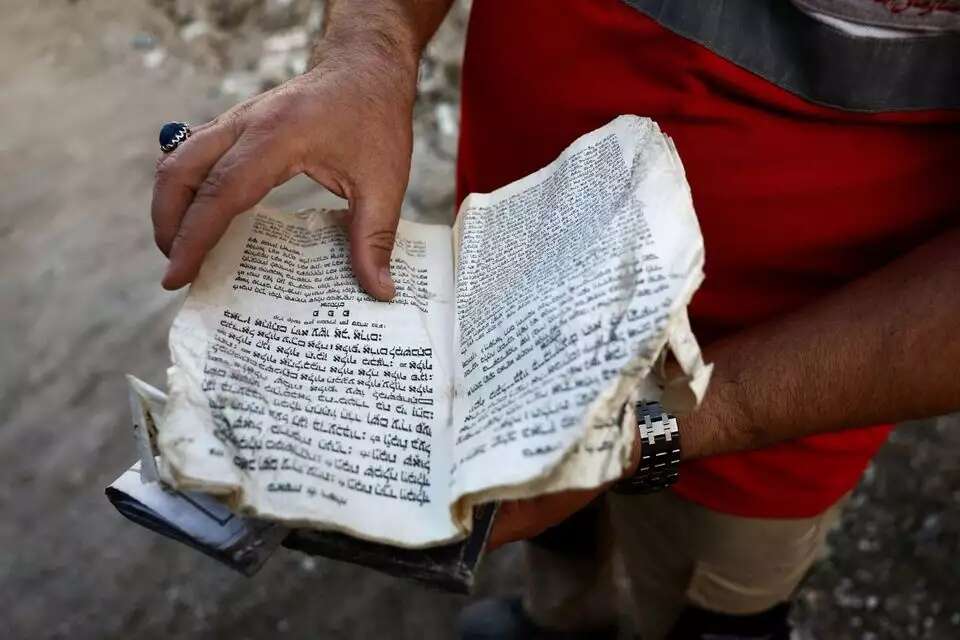
According to information from the Jewish community, the Torah scrolls themselves were found intact and without significant damage, but other religious books were destroyed in the strike. The regime, which suffered heavy losses in the war and has avoided reporting their true extent to its citizens, has long used the community for its own purposes. That was evident in this case as well.
On Thursday, a recitation of Psalms was scheduled to take place at theYusef Abad Synagogue in Tehran, in memory of those killed in the war.
In a statement published by the leadership of the Jewish community and signed by Hacham Hamami Laleh Zar, one of the community's senior figures called on the public to "thank God" for the "victory" in the war, saying that "the Iranian nation defeated the Zionist and American enemy." He condemned the "crimes of the enemy" and referred to the "holy death" of Supreme Leader Ali Khamenei and those killed defending Iran.