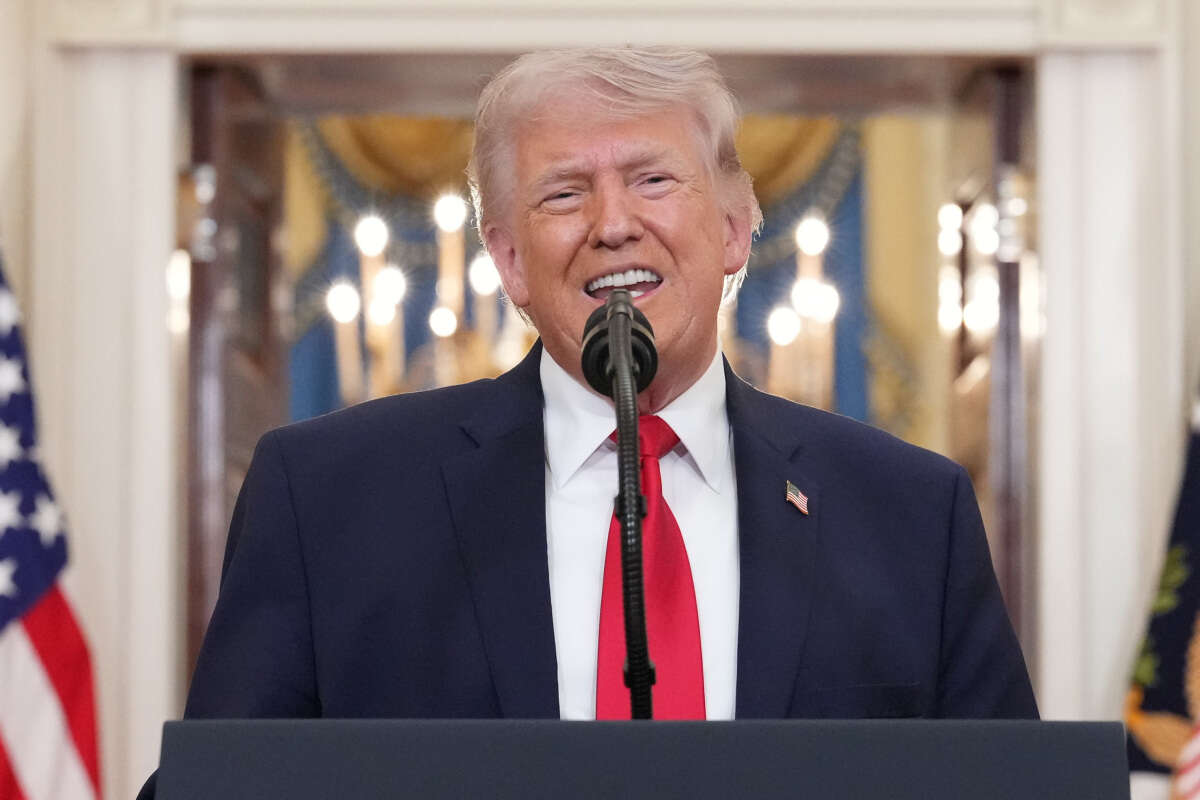
As the military campaign against Iran drags on well beyond the original timetable, a Wall Street Journal report offers a glimpse into what has been happening behind closed doors at the White House.
Aircrew rescue drama
According to the report, the crisis peaked around midday on a Friday, when it emerged that an American aircraft had been shot down over Iranian territory and that two crew members were missing. Trump, fearing a repeat of the 1979 hostage crisis, raged at his aides for hours and demanded immediate military action. As the military planned the complex rescue mission in hostile conditions, the president's aides chose to keep him out of the room so that his impatience would not interfere with the operation. In the end, both crew members were rescued safely in a daring mission.
Despite his hawkish line, people close to Trump said he has also been plagued by the fears that characterize presidents during wartime. He opposed, for example, the occupation of Kharg Island, through which about 90% of Iranian oil exports pass, out of concern that the number of American casualties would be unacceptable. "They'll be sitting ducks," he told his advisers.

As unstable and insulting as possible
On Easter morning, Trump stunned his conservative supporters when he wrote "Praise Allah" and used especially coarse language. When his advisers asked what was behind it, he explained that it had been his idea because he wanted to appear "as unstable and insulting as possible."
In his view, that is the language the Iranians understand, and it is what would force them to sit down at the negotiating table.
According to the Wall Street Journal, Secretary of State Marco Rubio supported that approach in closed-door discussions, arguing that this language might actually work. And indeed, 90 minutes before the expiration of a dramatic ultimatum Trump had issued, in which he warned that "an entire civilization will die," he announced a temporary two-week ceasefire.
Netanyahu's influence and the economic price
The report says Trump's decision to enter the campaign surprised many, given his past statements against "endless wars." The sources said a persuasive briefing by Prime Minister Benjamin Netanyahu in the White House Situation Room in February, along with pressure from allies such as Sen. Lindsey Graham, contributed to the shift in his position. Trump was also influenced by the swift "victory" in Venezuela and believed the US military could achieve a similar outcome in Iran. The war did in fact begin with the elimination of Supreme Leader Ayatollah Ali Khamenei and other senior officials. Trump watched videos of explosions in Iran every morning and expressed admiration for the power of the military.
"If we do this right, we're saving the world," he told one of his associates.

The war and its cost
Despite the initial optimism, the campaign became bogged down. The war, which had been expected to last six weeks, has already dragged on for far longer. Fuel prices have jumped by $1 a gallon, and the regime in Tehran has been replaced by an even more extreme leadership.
Although Trump declared in an address to the nation on April 1 that the objectives would be completed "very soon," the report said the American public remains skeptical. The White House is now hoping that talks expected to be held in Pakistan will lead to a diplomatic breakthrough in the coming days.