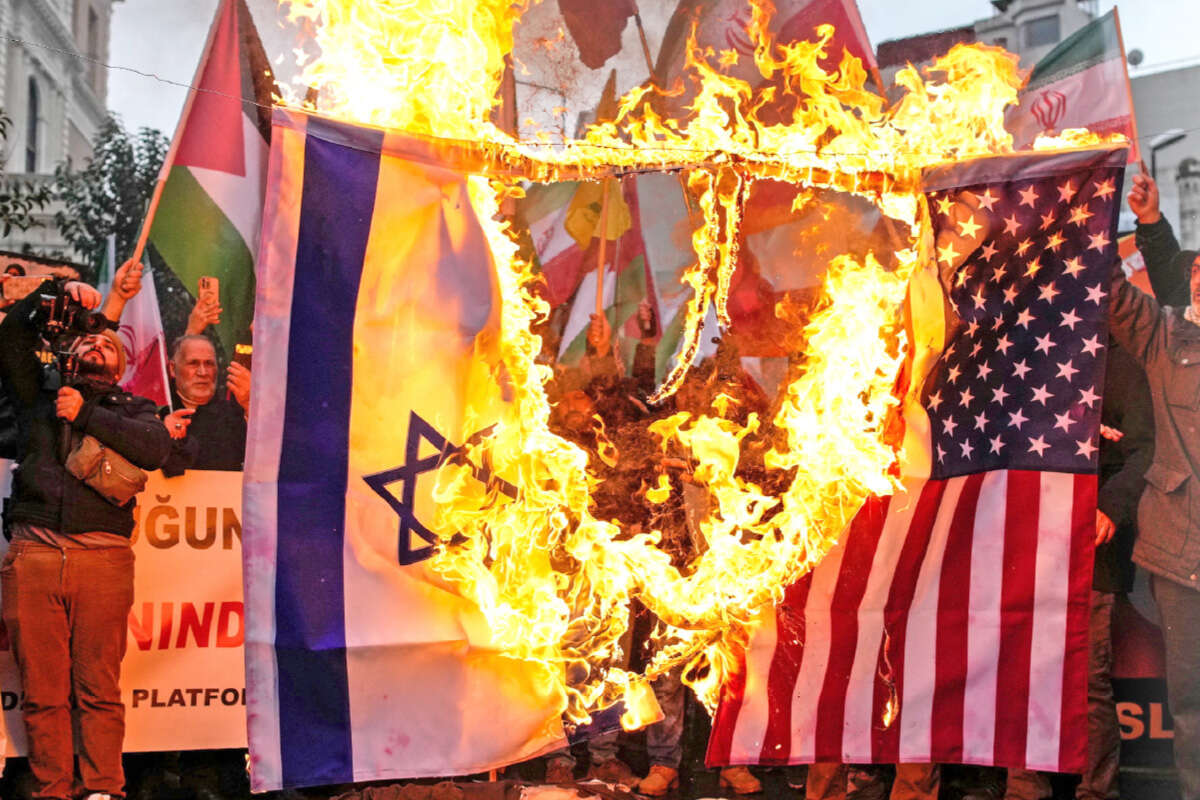
"Turkey is not an enemy state," Prime Minister Benjamin Netanyahu stressed last week in interviews with foreign media.
What is it, then? Israel is devoting considerable attention to the reorganization of the Sunni bloc in the region, led by Turkey and bolstered by Qatar, against the backdrop of the weakening Iranian axis.
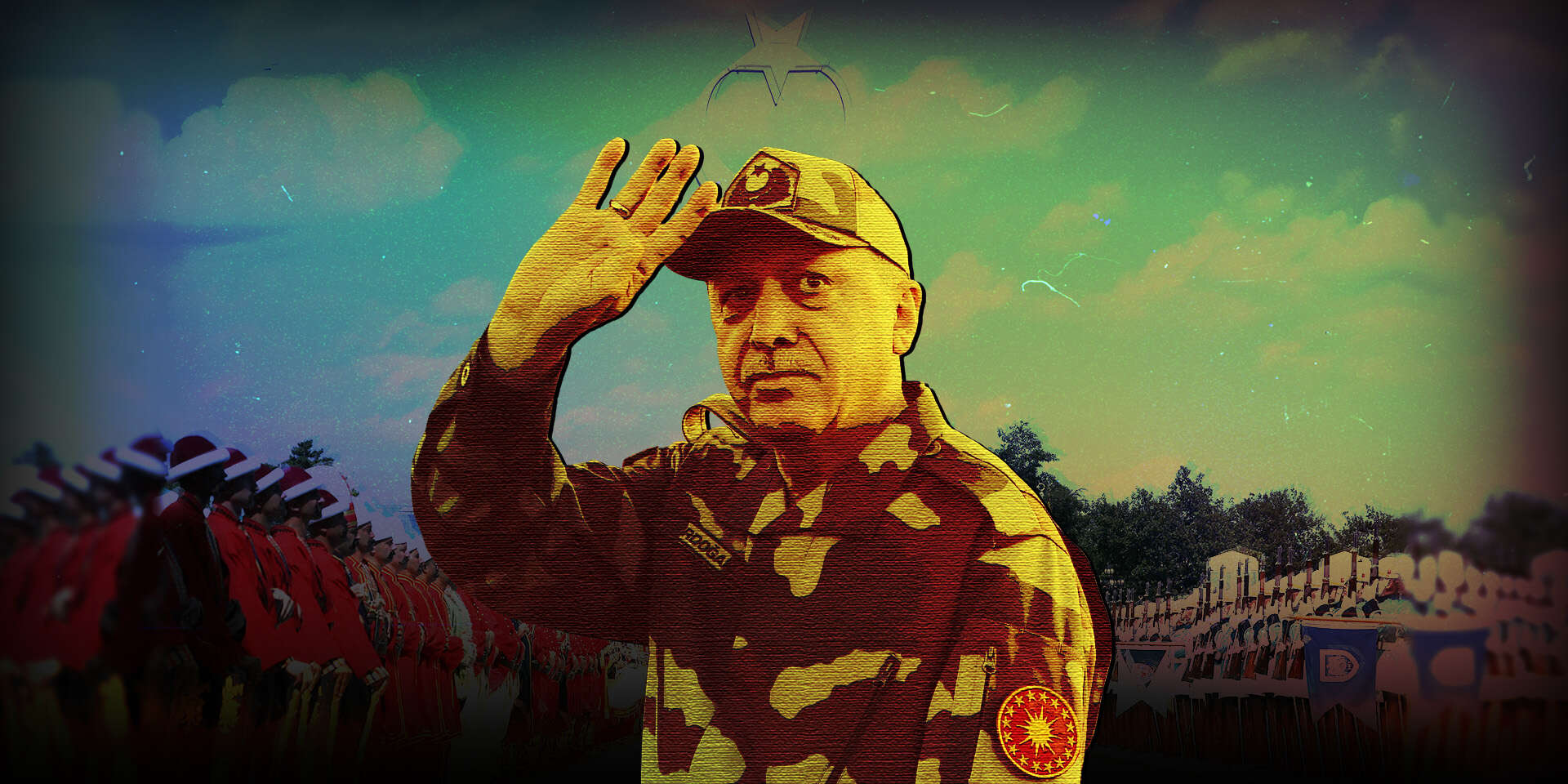
Recep Tayyip Erdogan, who views Israel as a regional power, is working intensively to prevent it from becoming a major trade hub along the route connecting East and West. He is also extending Turkey's reach into active conflict zones across the Middle East, providing refuge to senior Hamas officials and seeking to establish a foothold in Syria.
This is not a war in the conventional sense familiar to the Middle East. Nevertheless, the Turkish president's ambitions, rhetoric and recent actions are keeping Israel on edge. Alongside the weakening of the Iranian axis, Israel sees the rise of a new-old regional power: the Sunni bloc.
One concern is that Saudi Arabia, disappointed by what it sees as limited US action against Iran, could become a powerful and influential player in the Sunni bloc. Erdogan could thereby drive a deep wedge into Israeli-Saudi efforts to advance toward a peace agreement, potentially reversing progress already made.
Preparing for confrontation
Erdogan is benefiting from the weakening of Iran and the axis it once maintained. At the same time, he is attempting to position himself as an active mediator opposed to further US and Israeli strikes against Iran.
Iran, for its part, has not given up. Israel is preparing for further confrontation, with the aim of weakening and ultimately toppling the regime. Despite its dire condition, the Iranian regime still wants to rebuild the "ring of fire" surrounding Israel through Hezbollah, Hamas, although both have been weakened, and the Houthis, who command 200,000 well-trained and well-equipped troops.
Professor Kobi Michael, a senior fellow at the Misgav Institute for National Security and Zionist Strategy and a senior researcher at the Institute for National Security Studies, told Israel Hayom that Israel was in "strategic limbo."

"Israel has found itself in a reality in which it cannot translate its military achievements into a strategic outcome, meaning the shaping of a new regional architecture," Michael said. "The limbo was created by the Americans entering negotiations with the Iranians while completely misunderstanding who the Iranians are. It was clear that there was no realistic possibility of bridging the gaps between the two sides and that the Iranians were merely using the time to rebuild their capabilities, because they have not abandoned the axis as a strategic concept or their goal of eliminating Israel."
Michael added: "Hezbollah is the crown jewel of that axis. That is why the Iranians demanded that the ceasefire with the US be linked to a ceasefire in Lebanon, in order to preserve Hezbollah as their most important strategic asset. "This also sends a message to all the other proxies that have been severely weakened in Syria, Iraq, Gaza and Yemen: Iran will come to their aid, just as it is doing for Hezbollah. It is therefore already possible to identify clearly their desire to rebuild the ring of fire around us. As long as this regime exists, there is no chance that Iran will change its ways."
Will NATO enter the picture?
Michael believes Israel must be prepared for the order to act and for a direct continuation of Operation Roaring Lion, which was never formally concluded. "For now, Israel needs to allow the Americans to manage the situation with Iran, but it must prepare to respond with great force if the Iranian regime draws us into a confrontation and attacks us here," he said.
"Trump may try to build a coalition with the Gulf states, and perhaps NATO, against Iran. He may then demand that Israel absorb a future Iranian attack, similar to the demand President George H.W. Bush made of Prime Minister Yitzhak Shamir. At the time, Shamir agreed not to attack Iraq when Scud missiles were fired at Israel. Today, in my view, Israel would have to respond forcefully if attacked, even at the cost of a confrontation with President Trump and a crisis in relations with the US."
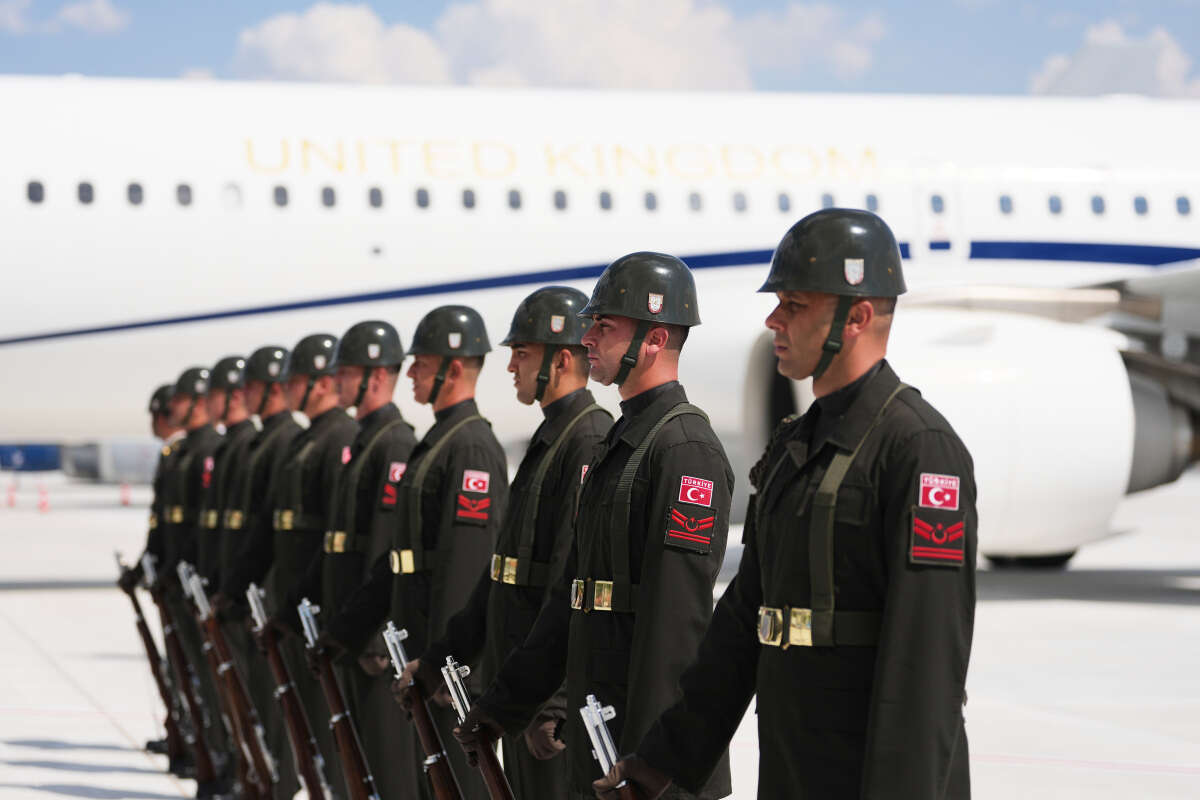
Col. (res.) Professor Gabi Siboni, CEO of the Jerusalem Institute for Strategy and Security, explained the connection between the weakening Iranian axis and Turkey's growing regional influence. "A weak Iran suits Turkey, but a new Iran does not," Siboni said. "That is why the Turks prevented an attempt to bring Kurdish forces into Iran, and not only because they have their own dispute with the Kurds."
"Iran's weakening is unmistakable, and the regime is living on borrowed time," he continued. "Whether that trend continues depends on the actions taken by the Americans. If the offensive expands to Iran's entire economic infrastructure, the Iranians will face decades of reconstruction. We must remember that Iran can survive on bread alone for another century while continuing to pursue the goal of destroying the Jewish state. They will do everything in their power to rebuild the ring of fire. The desire is there. The question is whether they will have the capability."
Regarding Turkey's rise as a regional power, Siboni said: "The radical Sunni axis led by Turkey and Qatar is gaining strength. Erdogan's vision is to restore the Ottoman Empire's influence throughout the Middle East. He maintains a huge military base in Somalia and is attempting to challenge the trade corridor from India through Israel to the rest of the world. In its place, he wants to create an alternative route through Turkey, Pakistan and Syria. Turkey is also attempting to operate inside Israel, including during the elections, through influence campaigns and activities in Jerusalem's Holy Basin. It is funding and building mosques in an effort to challenge the Israeli presence."
Moving toward defense independence
Researchers say Israel must adopt a new model in confronting these challenges, including Iran, Turkey, their spheres of influence and even the US administration. Rather than remaining completely dependent on the US, Israel must move toward as much defense independence as possible and establish additional alliances in the region.
"I have recently been advocating disengagement from US aid, and the prime minister is moving in that direction," Siboni said. He argued that Israel's objective should be to avoid putting all its eggs in the American basket. "We must also begin reducing our dependence on American munitions and develop business partnerships with additional countries, such as South Korea, India and Japan, to advance our defense industry," he said.
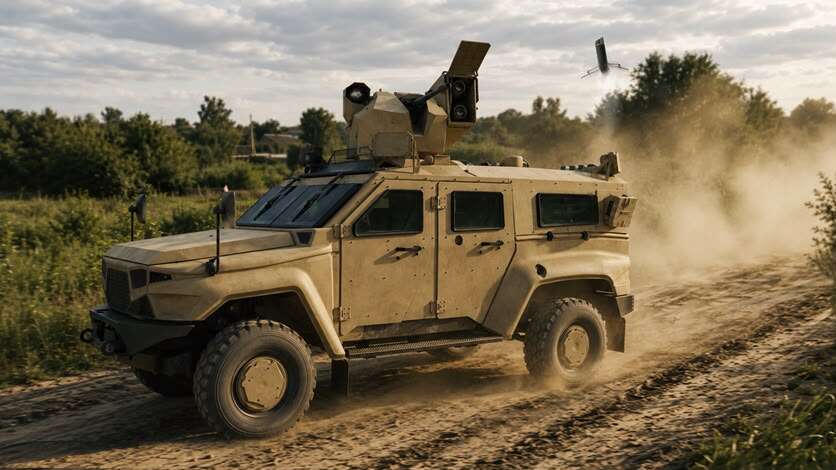
Michael similarly called for Israel to reorganize its regional and defense relationships. "In all matters related to the military, Israel needs to reduce its dependence on supply chains and increase domestic production so that it is not exclusively dependent on the US," he said. "We were already subjected to a partial embargo under the Biden administration, and we saw the limitations. We need to develop cooperation with additional countries, including Serbia, Hungary and India, that we can rely on during a crisis, rather than remaining dependent on the US."
Isolation, not war
With attention focused on Erdogan's latest moves, Michael said he did not believe Turkey was heading toward war with Israel. "Turkey is not seeking war against Israel, but it is seeking to isolate and weaken it," he said. "Turkey is entering every conflict zone in the Middle East as an influential actor, including Lebanon and Syria. It is operating in the exclusive economic zones opposite Greece and Cyprus and strengthening its ties with Egypt and Pakistan. These moves also have declarative significance. Members of the Sunni bloc, including Turkey and Pakistan, are seeking to establish a defense alliance, and it must be remembered that Pakistan is a nuclear-armed state."
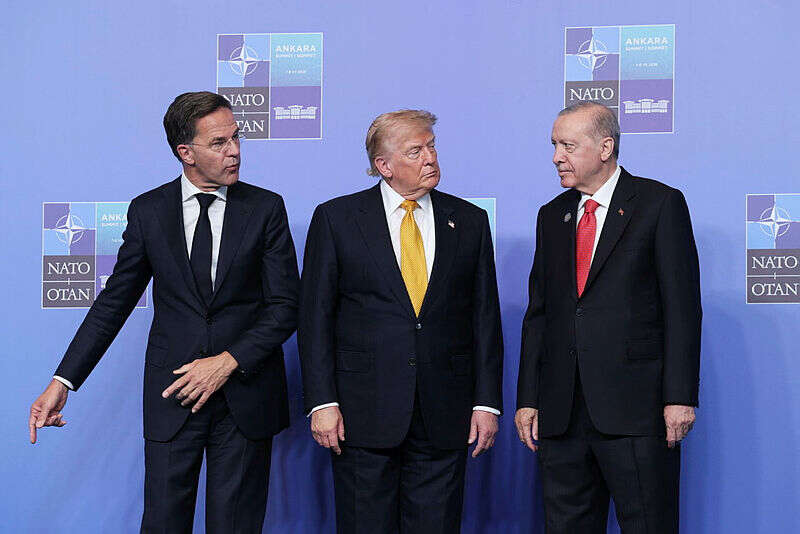
Michael described the emerging axis as deeply problematic. "Turkey is leveraging this axis to establish regional hegemony and exploit Iran's weakness," he said. "At the same time, Trump and Erdogan have a very warm relationship. We also cannot forget that Erdogan's party is a major supporter of the Muslim Brotherhood and is tainted by antisemitism. It allows Hamas to operate from Turkish territory and establish terrorist infrastructure in Judea and Samaria. When all these elements are combined with Turkey's view of Israel as a regional power, they translate into intense hostility toward Israel, both in rhetoric and in action. This makes it more difficult for Israel to achieve its objectives."
Israel's military preparations against Iran remain at their peak, alongside the continuing low-intensity war on every front, including Lebanon, Gaza and Syria. At the same time, Siboni recommended adding Turkey to Israel's reference scenarios and building the country's military capabilities accordingly. "The military must strengthen the Israeli Navy because Turkey possesses enormous maritime capabilities and, should it choose to do so, could close off Israel's access by sea," he said. "The sale of the Israeli shipping company Zim to a Turkish company that is partly Qatari-owned must also be blocked."
Amid all the changes taking place around Israel, the country must keep its eye on the ball, Siboni concluded. "We must not forget that Israel's first priority is to complete the mission in Iran, up to and including the replacement of the regime."