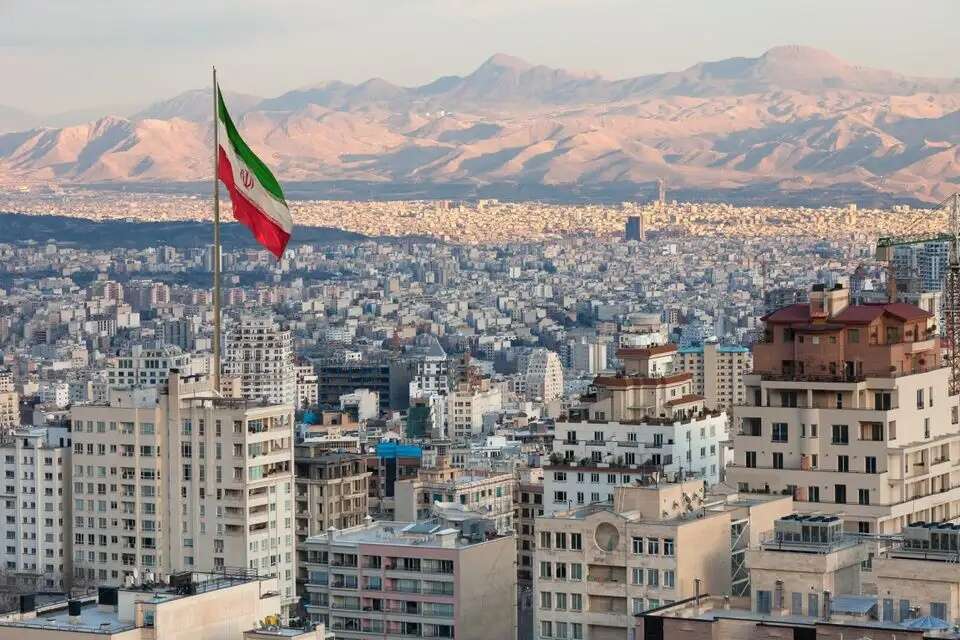
One of Iran's most powerful families, which is close to new Supreme Leader Mojtaba Khamenei, control the country's largest cryptocurrency exchange, Nobitex, according to a Reuters investigation published Friday.
According to the investigation, within just a few years the exchange grew from a startup into a financial pipeline connecting Iran to the global economy, serving both sanctioned government bodies and private citizens.

Hidden identity and a family at the top of the regime
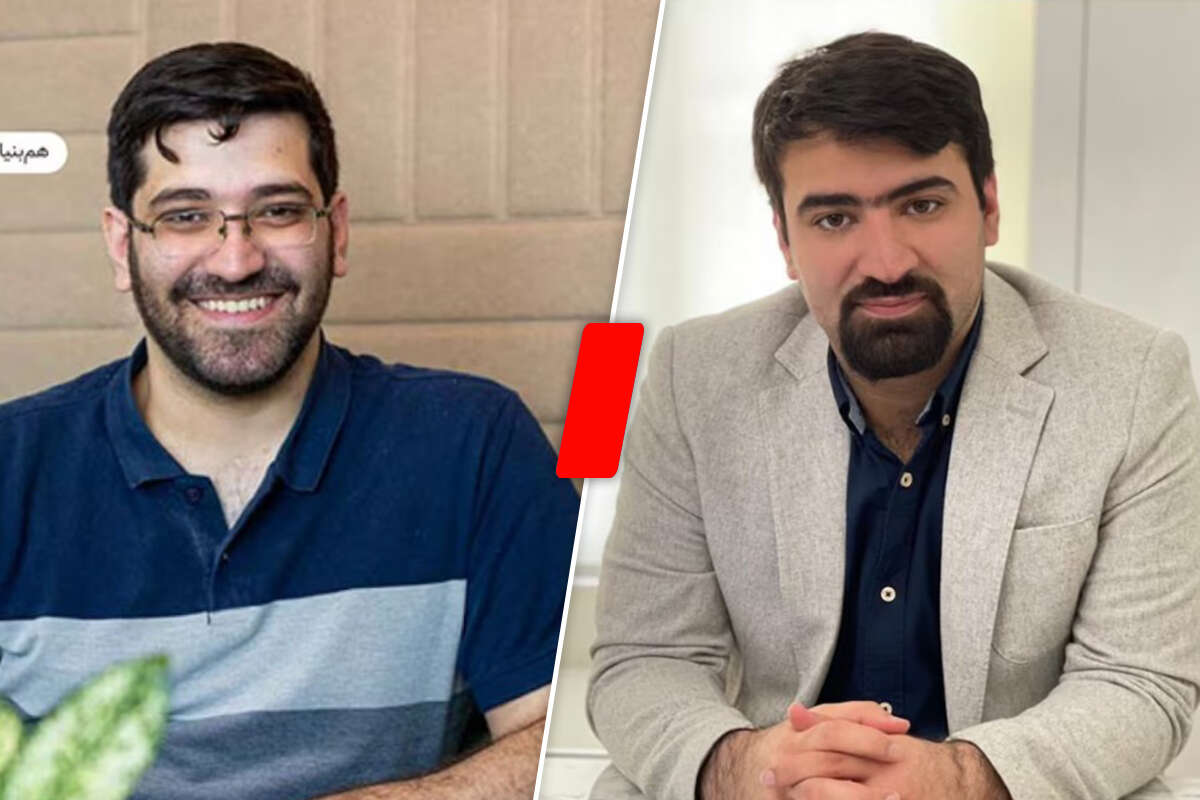
The two founders are brothers Ali and Mohammad Kharrazi, members of one of the most powerful political dynasties in the Islamic Republic. Corporate records show that in the exchange's early days, the brothers were registered under a rare surname that is not publicly used by members of the family. Since its founding, Nobitex has processed tens to hundreds of millions of dollars in transactions linked to sanctioned entities, including the Central Bank of Iran and the Islamic Revolutionary Guard Corps, according to the investigation.
The Kharrazi brothers, who founded the company in 2018, are the third generation of a family deeply involved in Iran's leadership. Family members have served over the years as advisers to supreme leaders and have held key positions in politics, diplomacy and the religious establishment. The family's ties also extend through marriage, linking it to all three supreme leaders of the Islamic Republic: the revolution's founder, Ayatollah Ruhollah Khomeini; Ali Khamenei; and his son, Mojtaba.
The brothers' grandfather was an ayatollah who taught Mojtaba in his youth and served as a member of the Assembly of Experts, the body that chooses the supreme leader. Another relative is Kamal Kharrazi, a former foreign minister who served as a senior adviser to the leadership and recently died following an attack in Tehran. Their father, Ayatollah Baqer Kharrazi, served as secretary-general of Iranian Hezbollah, a conservative party unrelated to the Lebanese organization, and even ran for president in 2013, but his candidacy was disqualified.
Baqer Kharrazi previously wrote that he had been involved in establishing the Revolutionary Guards after the 1979 revolution. Another family link to the ruling elite runs through the brothers' aunt, who is married to Mojtaba Khamenei's brother.

"There is an inner circle and an outer circle in Iran's religious establishment," Iranian journalist Fariborz Kalantari, who was sentenced in 2021 to prison and lashes for exposing corruption in the country and has since lived in exile, told Reuters. "These people," he said of the Kharrazi family, "were part of Ali Khamenei's inner circle." According to him, the use of alternative surnames was common among revolutionary activists, a practice adopted even before 1979, when many opponents of the shah were imprisoned.
Despite their family background, four sources told Reuters that the brothers lived modestly at the start of their careers. One said Mohammad's first car was a SAIPA Pride, one of the cheapest models in Iran. For years, the two used long and unusual surnames without explaining them to those around them. Only in 2024 did reports begin to emerge about their true identity.
True identity exposed
The exchange quickly became an integral part of the Iranian economy. Nobitex says it has 11 million users, more than 10% of the country's population. Iranian citizens, blocked from access to the international banking system and forced to cope with high inflation and a weakening currency, use the platform to buy and hold cryptocurrencies.
Despite repeated rounds of sanctions by Western countries, led by the US, Nobitex has so far remained off the blacklists. Reuters noted that it found no sign that any member of the Kharrazi family appeared on Western sanctions lists, and it is unclear why the exchange itself avoided similar measures taken against other Iranian entities.

Records show that when Nobitex's domain was registered, an email address containing the Kharrazi surname was used, the same address that was also used by a religious nonprofit headed by their father. Public documents indicate that the father used two different surnames under the same identity number.
Reuters traced the links between Nobitex and the Kharrazi family through Iranian corporate, government and banking records, using artificial intelligence tools to extract the names and identity numbers of Nobitex board members and map the connections among them. Other family members, including the brothers' aunt, uncles and cousins, routinely use the name "Kharrazi" in public. The brothers' grandfather also occasionally used the name "Aghamir."
Colleagues and former employees who spoke with Reuters said they had not been aware of the brothers' family connection, even though some had been especially close to them and had studied with them. Only one of the nine employees who spoke with the news agency said the brothers had revealed the family link to him.
"I openly criticized the regime, and my colleagues also spoke freely," a former Nobitex employee told Reuters. When he finally learned the brothers' real surname, he added, "Fear entered me. I had said many harsh things against the regime and against religion."
According to the investigation, Nobitex serves as a central bridge between Iran and the global crypto market, and also as a channel for transferring regime funds. The findings are based on blockchain analyses by financial intelligence companies and testimony from former employees.
"The concern about Nobitex stems from the fact that the volume of activity linked to ordinary Iranian citizens is so large that it is difficult to separate the regime from the people using the platform," Nick Smart, chief intelligence officer at Crystal Intelligence, said.
From startup to central axis in the Iranian economy
The company was founded with another partner, Amir Hossein Rad, a graduate of Sharif University in Tehran. While Rad and Ali served as the public faces of the company, Mohammad focused on the technological aspects.
Nobitex says its goal is to allow Iranians to operate in the crypto market "under the shadow of sanctions," and even provides guidance on how to avoid monitoring by Western actors. Among other things, it recommends splitting transactions and using multiple wallets.
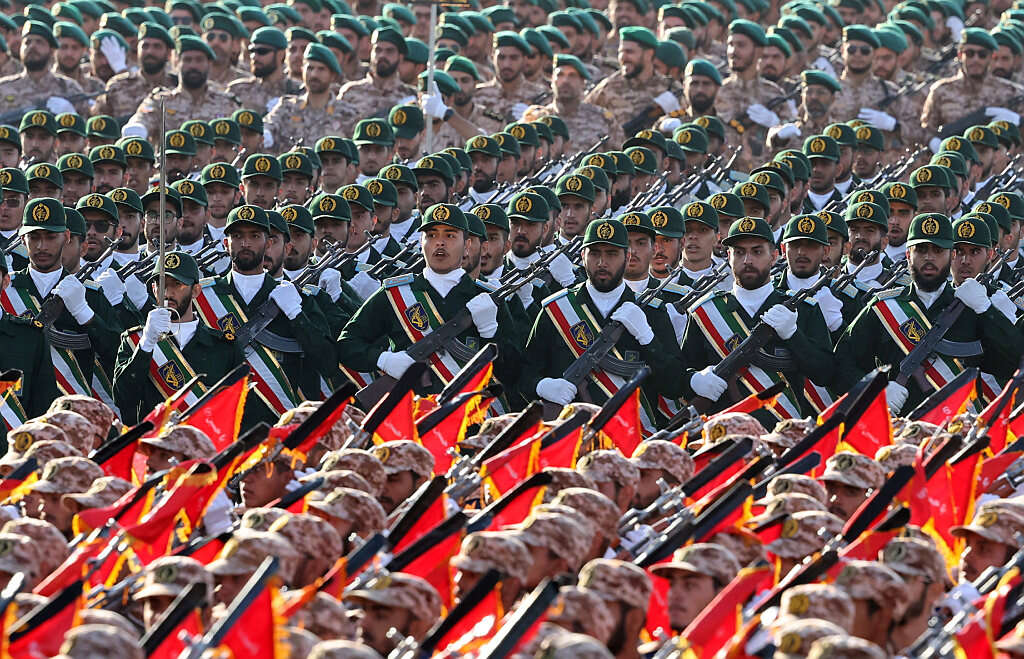
At the same time, the company has operated over the years under pressure from the authorities. Former employees described raids by the Revolutionary Guards, interrogations and even arrests, but no indictments.
In 2025, the exchange was hit by a cyberattack in which cryptocurrency worth about $90 million was stolen. The company compensated the affected customers.
Despite the criticism, Nobitex rejects the allegations. It says it is a private and independent business, and that any illegal activity, if it occurs, is marginal and is not carried out with the company's knowledge.