If the Al Jazeera report on the details of the latest Iranian proposal is true, it points to further concessions by Iran and shows that the economic pressure is definitely working. Working, as it were, means the suspension of salary payments to most civil servants and also to soldiers in the Iranian military, as US Treasury Secretary Scott Bessent confirmed; unemployment reaching tens of percent and a broad wave of layoffs; an independent sector that has been almost entirely wiped out; prices of basic goods rising every day; and a dangerous slide toward sovereign default.
And yet Iran is still making demands that the Americans will find difficult to accept, including a commitment to stop the fighting, withdraw forces and pay compensation to Iran for the damage caused by the war.
Iran is covering its retreat gradually. In other words, it has backed down from its demand that the naval blockade be lifted as a precondition for the start of talks, and it accepts the parallel demand, the American demand to reopen the Strait of Hormuz, from its side as well, in a gradual and coordinated manner.
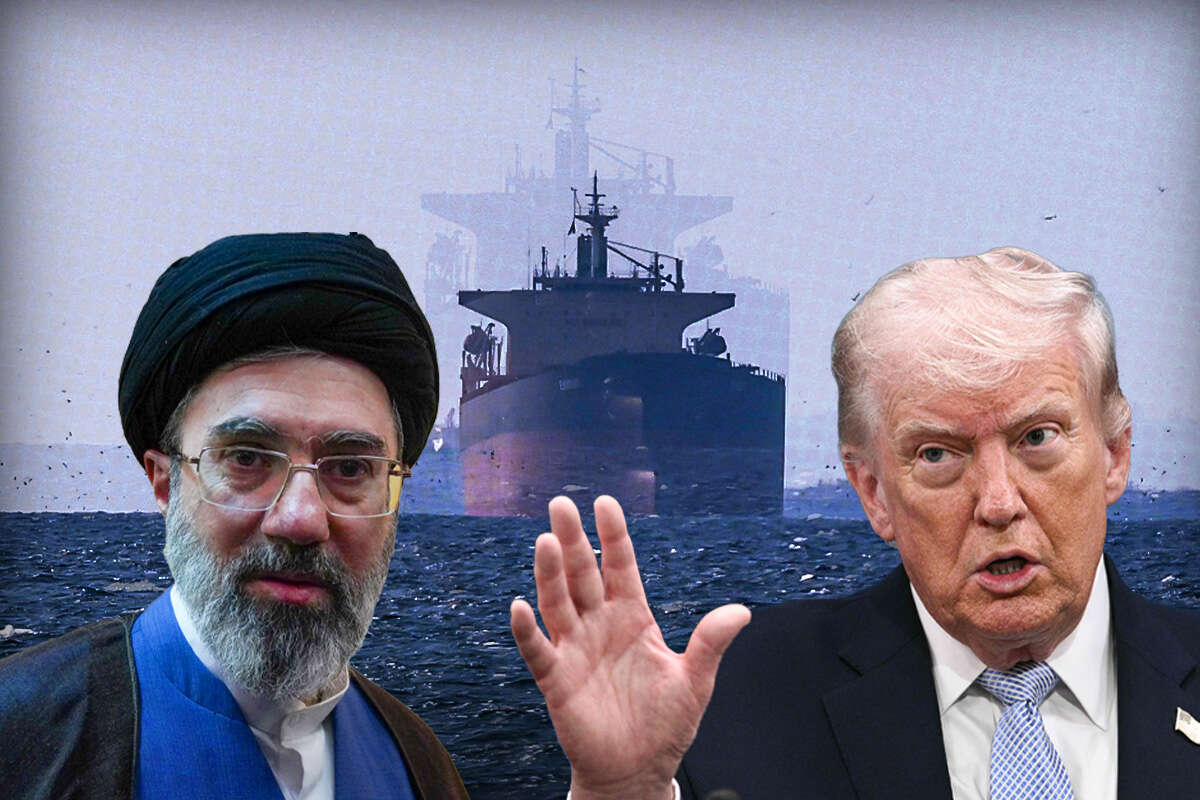
The proposal postpones dealing with the uranium issue to the second stage, after the US agrees to a full halt to the fighting and after the opening of Hormuz, the blockade that is strangling Iran economically. In other words, its priorities are clear: first the removal of the blockade, which is in fact the real and effective move endangering the regime, and only afterward the nuclear issue. To make this easier for the Americans to swallow, Iran is offering a proposal that moves even closer to the American demands. In practice, this means consent to stop enrichment for a long period of time, 10 to 20 years, and afterward enrichment only for civilian needs. Between the lines, there is also consent to hand over the enriched uranium to a third country, a clause to which the Iranian political leadership had already agreed and which the Revolutionary Guards blocked in the last round in Pakistan. Iran refuses the American demand to destroy its nuclear facilities, and apparently the compromise here will be the destruction of some of them and tight supervision over the rest.
At this stage, too, the economic aspect is a central clause from Iran's perspective, further evidence of the effectiveness of the sanctions and the blockade. Iran is demanding a rapid and effective mechanism for lifting the sanctions imposed on it, in parallel and in stages with the agreements on the nuclear issue.

On the other issues, Iran is once again demanding the unification of fronts, meaning the end of Israeli strikes in Lebanon and international guarantees that they will not resume. The American demands regarding missiles and aid to proxy terrorist organizations are answered with an Iranian proposal that has been raised before: a "strategic dialogue" among the countries of the region in order to reach understandings and establish a regional security body. Here, too, the Americans will not be satisfied with this, and certainly neither will Israel nor the Gulf states.
And yet US President Donald Trump's response, that he would "review" the proposal, meaning not reject it outright, indicates that he also sees Iran backing down. The expectation, therefore, is that talks will continue in an effort to bring about further Iranian concessions, alongside the continuation of economic pressure, the naval blockade and the sanctions.