The ceasefire forced on Israel in Lebanon found Israel as a windfall. The Israel Defense Forces' fighting, conducted according to directives from the political echelon that did not align with Prime Minister Benjamin Netanyahu and the defense minister's statements that "we will not stop until we defeat Hezbollah and disarm it," ran its course with what was defined as pushing the direct threat away from the communities and residents of northern Israel.
The "ceasefire" was declared about a month ago, and about a week ago US President Donald Trump informed us that it had been extended by several weeks. In addition, we were ceremoniously told of a second negotiating meeting between the Israeli and Lebanese ambassadors, this time at the White House.
A few comments on the setting:
The ceasefire between Israel and the Lebanese government is a significant declaration, except that the war Israel is waging is against Hezbollah, and no ceasefire agreement was reached or signed with Hezbollah. The organization won a protective umbrella north of the Litani River thanks to its Iranian patron, without committing to hold its fire. This is therefore the place to stress that "the Lebanese government is not violating the ceasefire."
Serious negotiations between countries, aimed at a peace agreement or at least a proper normalization agreement, should take place under a different framework of representatives, including government officials, security officials and others, preferably in the region, to ensure continuity and access to decision-makers.
A balance sheet of gains and losses
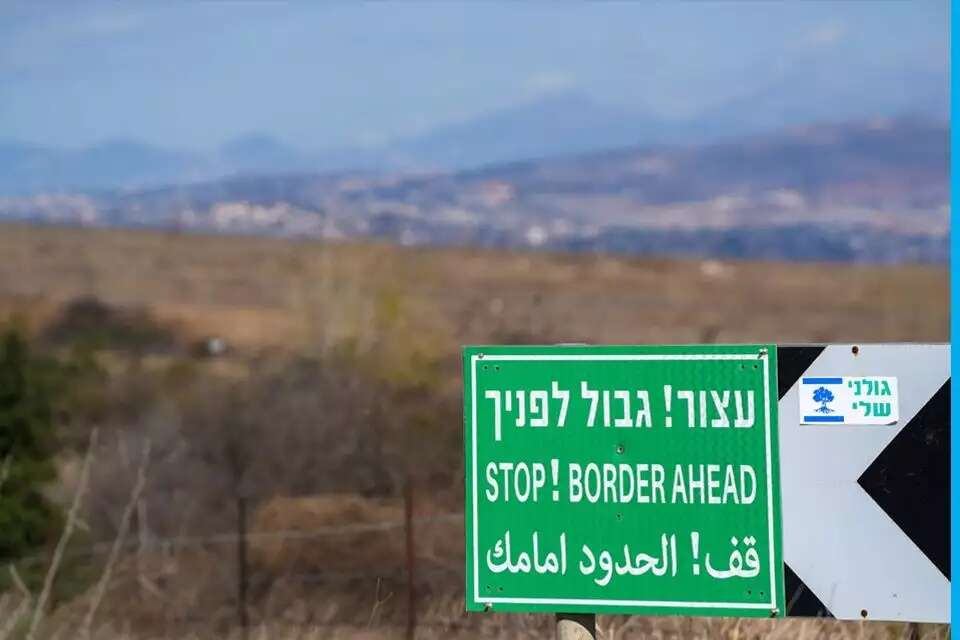
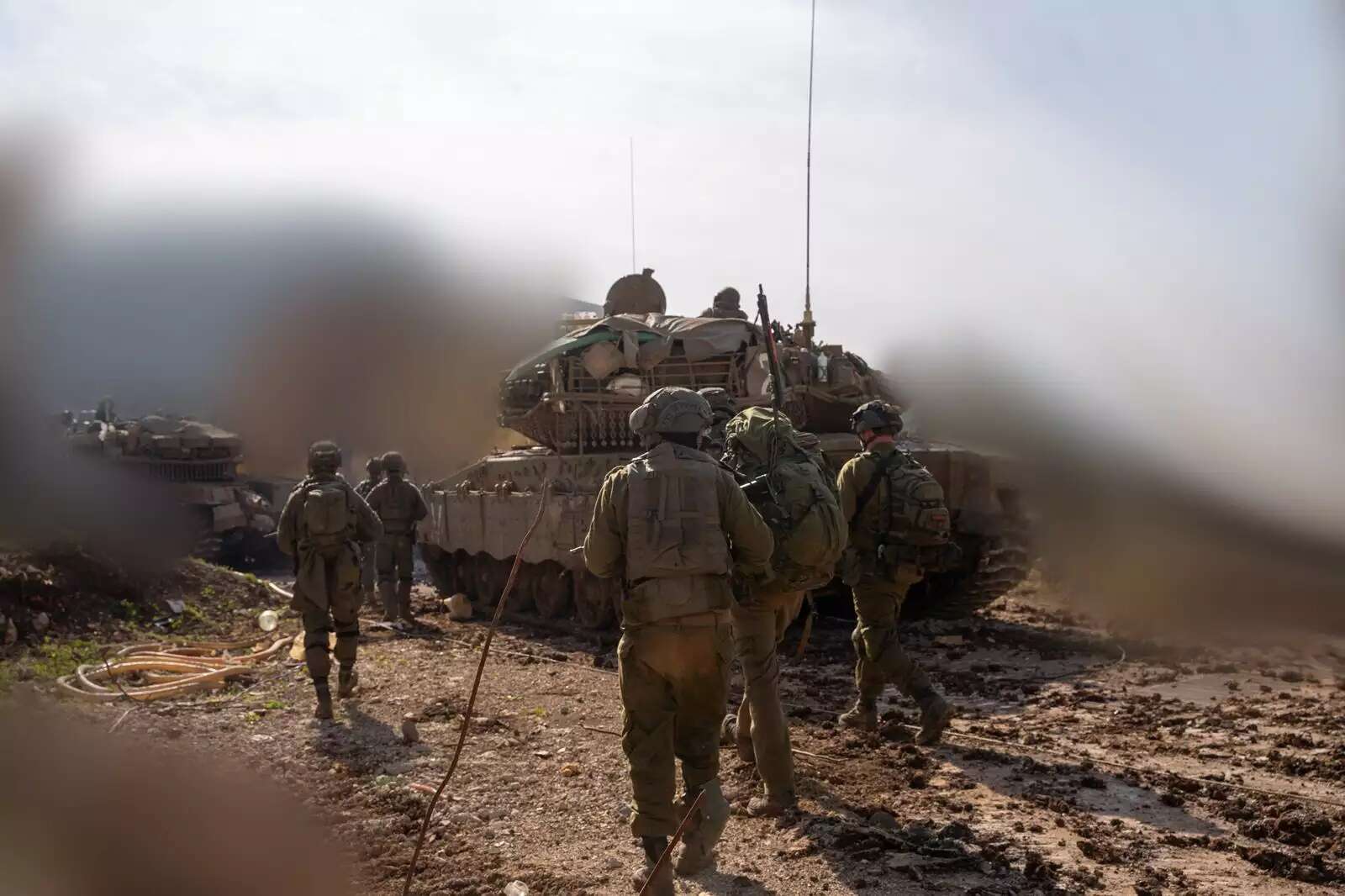
The ceasefire found Israel deployed in a buffer zone 3 to 8 kilometers (1.9 to 5 miles) inside Lebanese territory, with freedom of action to operate and respond in southern Lebanon up to the Litani River, but without the ability to respond in Hezbollah's core areas in the Dahiyeh district of Beirut or in the Beqaa Valley.
These are limited responses that, day after day, leave the IDF in a position of no choice and without real action that produces a meaningful change in reality. The use of this time to destroy the built-up infrastructure in the area seized by the IDF, as in Rafah and the Gaza Strip, meaning the destruction of the entire built-up area in the kilometers adjacent to the border, almost undisturbed, is the only gain that can be identified at this point in the situation that has emerged.
The US, once again seen as Israel's patron and as the actor determining policy and action, views the "ceasefire" in Lebanon as an opening for negotiations with Iran, and perhaps, indirectly, also as a way to advance an agreement between Israel and Lebanon. This is despite the fact that Washington is not throwing its full weight behind the effort, at least not at this stage, either by promoting a leaders' summit in Washington or by accelerating direct contacts between the countries.

Strategic ambush
Iran, which is thinking about the day after the ceasefire and, in the longer term, the period after the war, sees preserving Hezbollah as an important element in safeguarding the regime. Therefore, the insistence that, from Tehran's perspective, succeeded in forcing a ceasefire, even a limited one in Lebanon, is a fact that largely preserves Hezbollah's power in the country.
Hezbollah's joining "Operation Roaring Lion" on the third day was, from Israel's perspective, a strategic ambush that in the following weeks increasingly looked like a tangle and a dead end: The fire is not stopping, IDF forces in the buffer zone are exposed and vulnerable, the IDF is in a state of non-decision, and the sense of security among northern residents is lower than it was at the end of the previous campaign against Hezbollah.
During the war against Iran, some believed they would be able to separate the fronts and achieve a ceasefire with Iran, and that this would not necessarily restrict Israel. That assessment proved incorrect. Now, with the possibility of renewed US fighting against Iran, the question is whether this will free Israel from the restrictions the US imposed on it in Lebanon, leading to a loosening of the reins and continued unrestricted action against Hezbollah. At this point, it is not certain that even the removal of American restrictions could produce a different result in Lebanon.
Three combat fronts, all of them remain open; three security belts or buffer zones held by IDF forces; and Judea and Samaria continuing to simmer, all after two and a half years of war. Israel does not need to look for opportunities to expand its zones of combat.