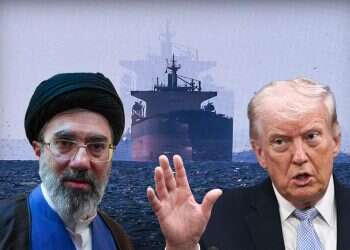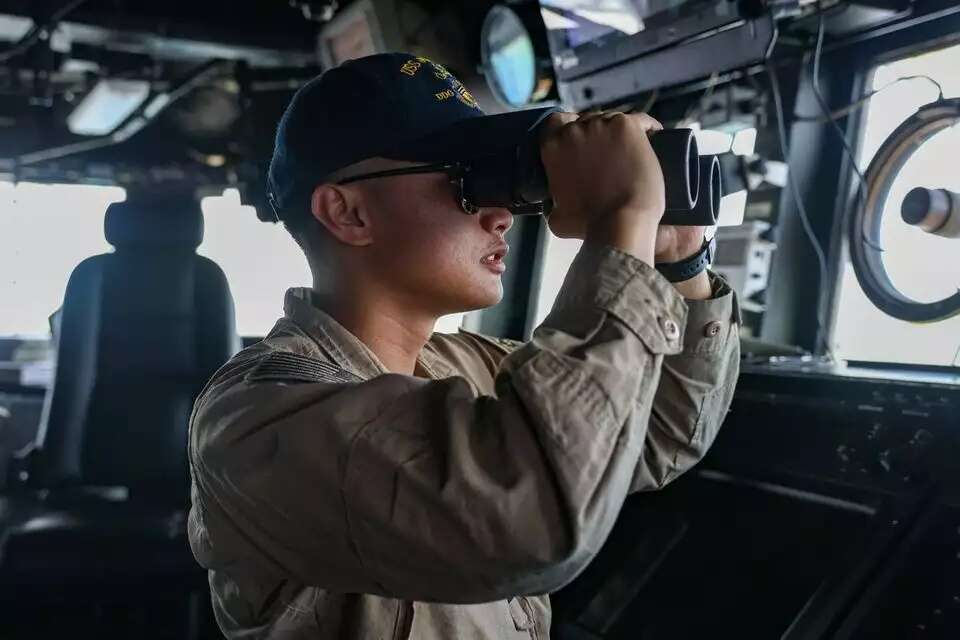
US Central Command is expanding its operation to secure the passage of non-Iranian ships and tankers through the Strait of Hormuz, after two US-flagged ships and at least one oil tanker from the United Arab Emirates passed through the waterway around under the protection of US warships. Israel Hayom reported on the plan presented by CENTCOM commander Adm. Brad Cooper to President Donald Trump, who approved it and announced its launch.
Iran responded with threats and later with a report that it had fired missiles and struck a US Navy frigate. The Americans described the report as fake, and CENTCOM said no US vessel had been hit. A minor hit was reported on a UAE oil tanker near the port of Fujairah, south of the Strait of Hormuz. There were no casualties.
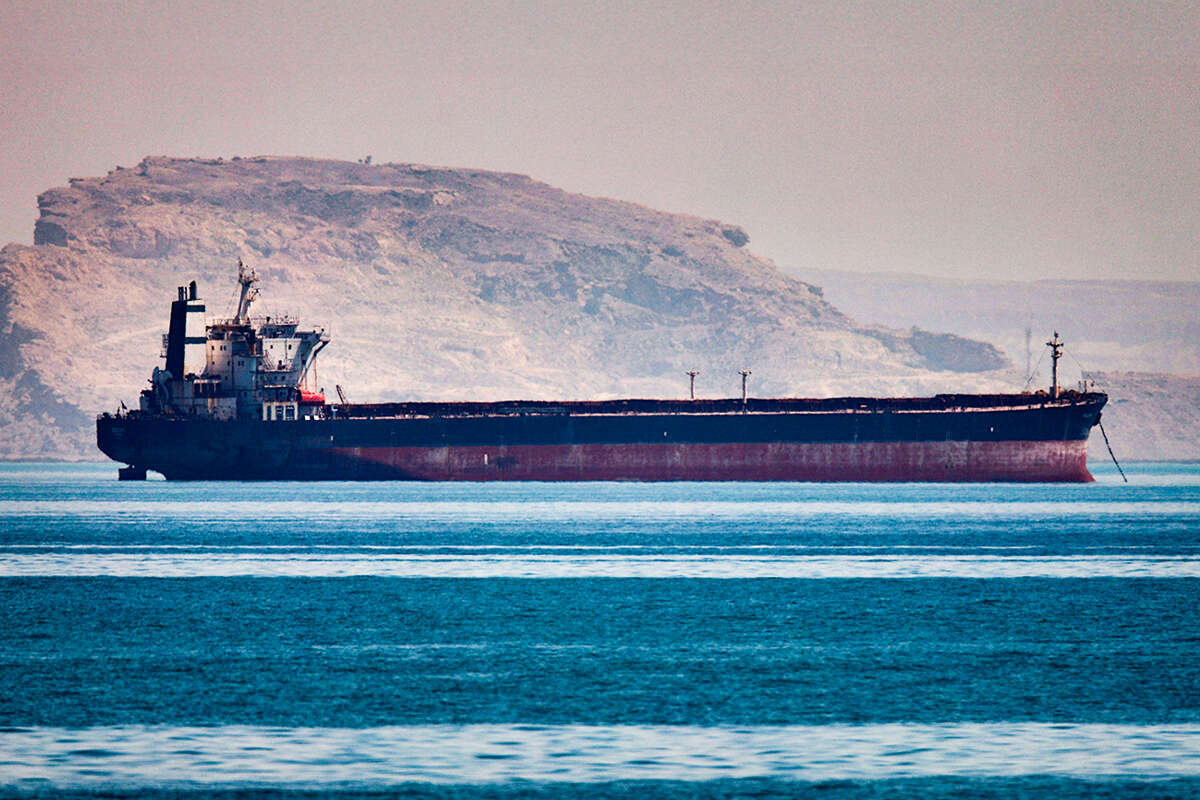
As part of the operation, the CENTCOM commander ordered his forces at sea and in the air to prevent threats to ships passing through the strait, both defensively, by intercepting missiles and other means, and offensively, against Iranian attack boats and missile launch sites on Iran's coast. This means the military confrontation between the two countries could resume, since Iran will not want to lose almost the only card it has left: blocking Hormuz.
A US official told Israel Hayom that Washington had no intention of being dragged into a renewed round of fighting, but was determined to restore ship traffic along a safe shipping route through Hormuz, while continuing the naval blockade on Iranian ships and tankers.