It is very difficult to assess where US President Donald Trump is headed on the Iranian issue, since his public remarks and tweets change almost daily. After it seemed early this week that we were nearing an escalation, the understanding has sharpened over the past two days that Trump wants to exhaust negotiations with the Iranians. At the same time, defense officials are speaking of "critical" days, which could continue for some time.
Israeli officials are not saying this publicly, but several senior figures we spoke with argue that an agreement of any kind with the Iranian regime is the less favorable option for Israel, for several reasons. First, even if the Iranians ultimately agree to the terms the Americans are seeking, including the removal of all 440 kilograms (970 pounds) of highly enriched uranium, something that currently seems unlikely, Iran would still retain many tons of lower-level enriched material. Unless that material is also removed from Iran, the regime would be able, within a relatively short time, to enrich it again to a high level if it chose to do so.
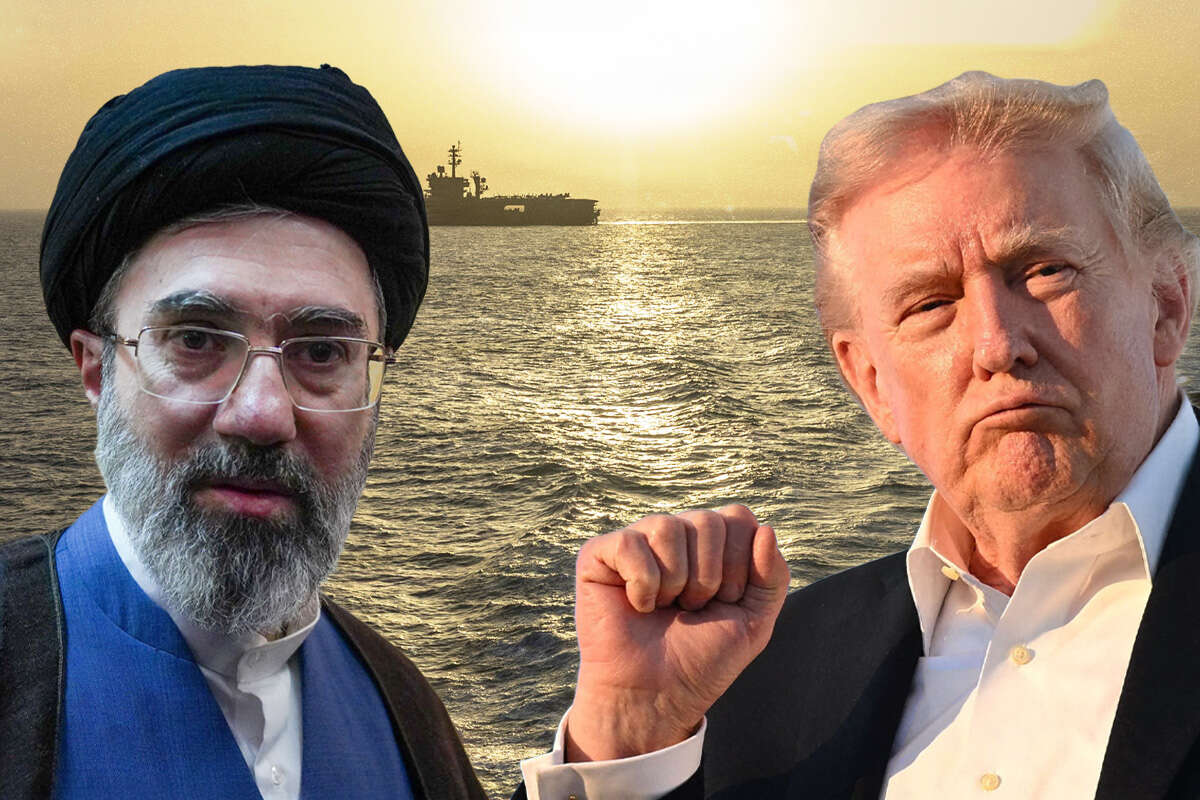
In addition, an agreement with the US would lead to the lifting of economic sanctions on the Iranian regime and would, in effect, save it. According to assessments in Israel, such a scenario could lead the extremist Iranian regime to remain in power, become wealthier, more radical and more determined to obtain nuclear weapons, which it believes would ensure its long-term survival and prevent Israel or any other country from attacking it in the future.
Israel's preferred option at this stage is to maintain the current situation, meaning the continued siege and economic strangulation of Iran. The assessment is that if the US remains determined to maintain the siege, within a matter of weeks Iran's economic situation will deteriorate to such an extent that economic pressure and shortages of basic goods will shake the regime's foundations from within and encourage the Iranian public to take to the streets. But this would require considerable endurance and patience, which it is not clear the current US administration has, given domestic pressures, the midterm elections, the approaching World Cup and other considerations.
Therefore, if it proves impossible to continue the siege on Iran over time, Israel prefers, and is preparing for, a resumption of fighting. At present, the assessment among Israel's leadership is that the current state of rising and falling tensions could continue in the near future as well.
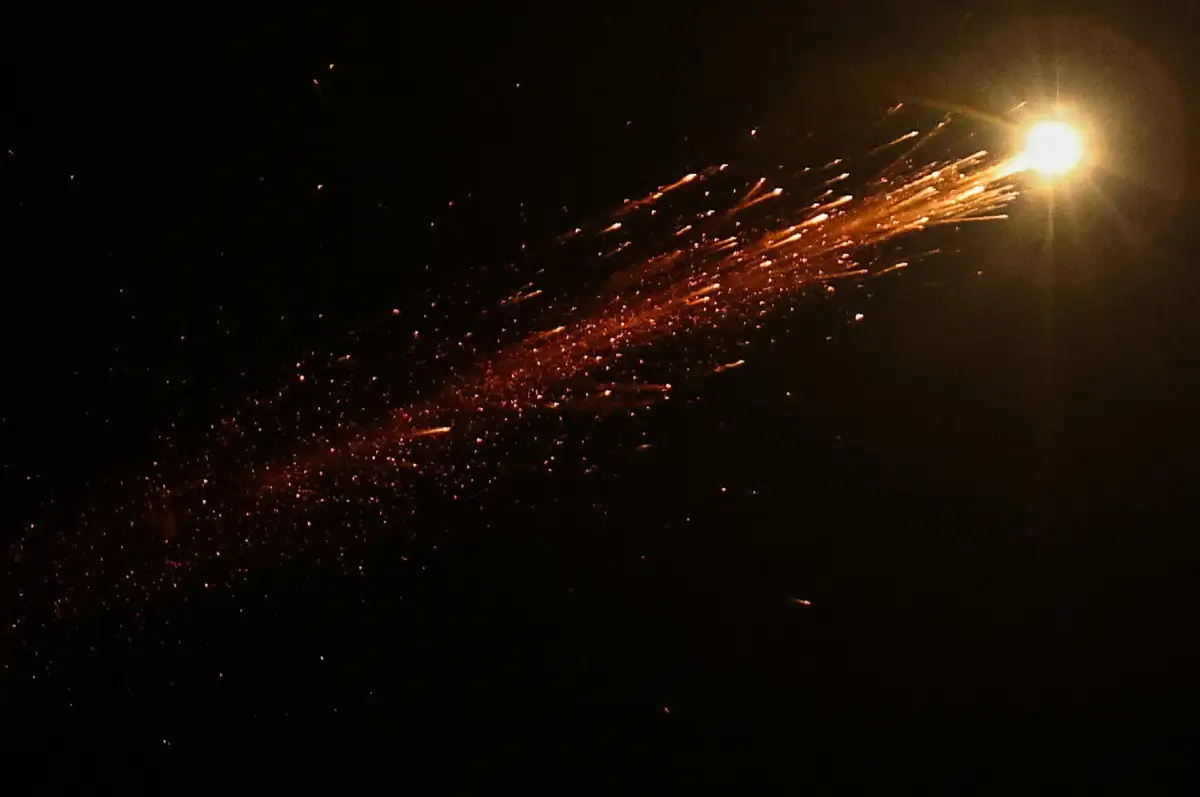
Israel is also preparing for the possibility of a deterioration within a matter of hours and, in the context of a miscalculation, even for the possibility that Iran could launch missiles at Israel within a short time if it believes the US and Israel are about to attack it. However, as of this writing, there is no concrete intelligence indicating an Iranian intention to attack Israel.
Either way, Israel insists that coordination between the political and military echelons of the US and Israel is full. A senior official who spoke with Israel Hayom made clear that "there is no chance the US would fail to update Israel on its moves." Still, Israel's main concern is an American decision to pursue an agreement with Iran that does not match the Israeli interest. Some even argue that, under the current circumstances, no agreement is good, because it leaves the Iranian regime in place.
The most significant problem for Israel would arise if the Iranians agree to the American terms, remove the highly enriched material and commit not to enrich uranium for a limited period. In such a situation, Israel would find it difficult to oppose the agreement. Israel is also deeply troubled by reports that the Iranian commitment not to enrich uranium would be time-limited, even if for 15 years, because in that case the problem would only be postponed, not eliminated.
Israel notes that the central criticism of the Obama administration's 2015 Joint Comprehensive Plan of Action focused precisely on its "Sunset provision", which was supposed to expire in 2025.