Prime Minister Benjamin Netanyahu's conversation Wednesday night with US President Donald Trump was part of a series of talks between Jerusalem and Washington aimed at influencing the emerging agreement with Iran and ensuring that Israel's interests are fully addressed within it.
Israel believes that those around Trump are pressing him to advance only along the track of economic pressure, and from there to an agreement, despite Iran's resilience. Netanyahu is therefore trying, within that framework, to position Israeli interests in the agreement now taking shape.
At the top of Israel's list of interests is the demand to remove all enriched material from Iranian territory and dismantle Iran's enrichment capabilities. Jerusalem views this as a central goal that is not open to compromise.
The disagreement between Jerusalem and Washington
In Jerusalem, in contrast to the voices being heard around Trump, officials believe that additional military force is also needed to bring the Iranian regime to an optimal agreement. At this stage, however, those around the US president take a different view and prefer to focus on the economic and diplomatic track.
With the understanding that the final decision will be made in Washington, Netanyahu is making ongoing efforts to ensure that Israeli interests are taken into account, both in talks with Trump's people in the White House and in direct conversations between the two leaders.

Netanyahu hinted at this in his remarks at the start of the cabinet meeting Wednesday night, saying there was coordination with the Americans, but not necessarily full agreement on the way to achieve the goals.
"There is full coordination between us, there are no surprises. We share common goals, and the most important goal is removing the enriched material from Iran, all the enriched material, and dismantling Iran's enrichment capabilities," Netanyahu said.
He added, "President Trump believes he can achieve this one way or another. We, however, are prepared for every scenario, and that is my directive to the Israel Defense Forces and to our security agencies as well."
Israel's concern
Netanyahu made similar remarks to members of the cabinet. Although Israel's assessment is that an attack on Iran is unavoidable in order to produce an optimal deal, Jerusalem understands that at this stage it must insist on at least two central goals: removing all enriched material from Iran and dismantling its enrichment capabilities.
According to Israel's assessment, Trump is still standing by these demands as part of the emerging agreement. However, when it comes to Iran's ballistic missile program and funding for the Iranian octopus' proxie arms, including Hezbollah and Hamas, various reports indicate that the US is inclined to remove these demands from the equation and focus only on the nuclear program.

Israel believes that if Iran does agree to remove the enriched material, a goal that currently appears unrealistic, it would be a significant achievement from Jerusalem's perspective as well. At the same time, Israel stresses that it will have to maintain full independence regarding freedom of action against Iran when signs of a renewed threat are identified.
Understandings with the US on operations in Lebanon
In the meantime, freedom of action appears to have expanded on at least one front, precisely alongside the US-Iran talks with which Israel can be said to be less than satisfied: operations deep inside Lebanon.
Washington and Jerusalem have reached an understanding under which Israel will be able to act against threats in a targeted manner deep inside Lebanon as well, rather than only continue operations in the security zone.
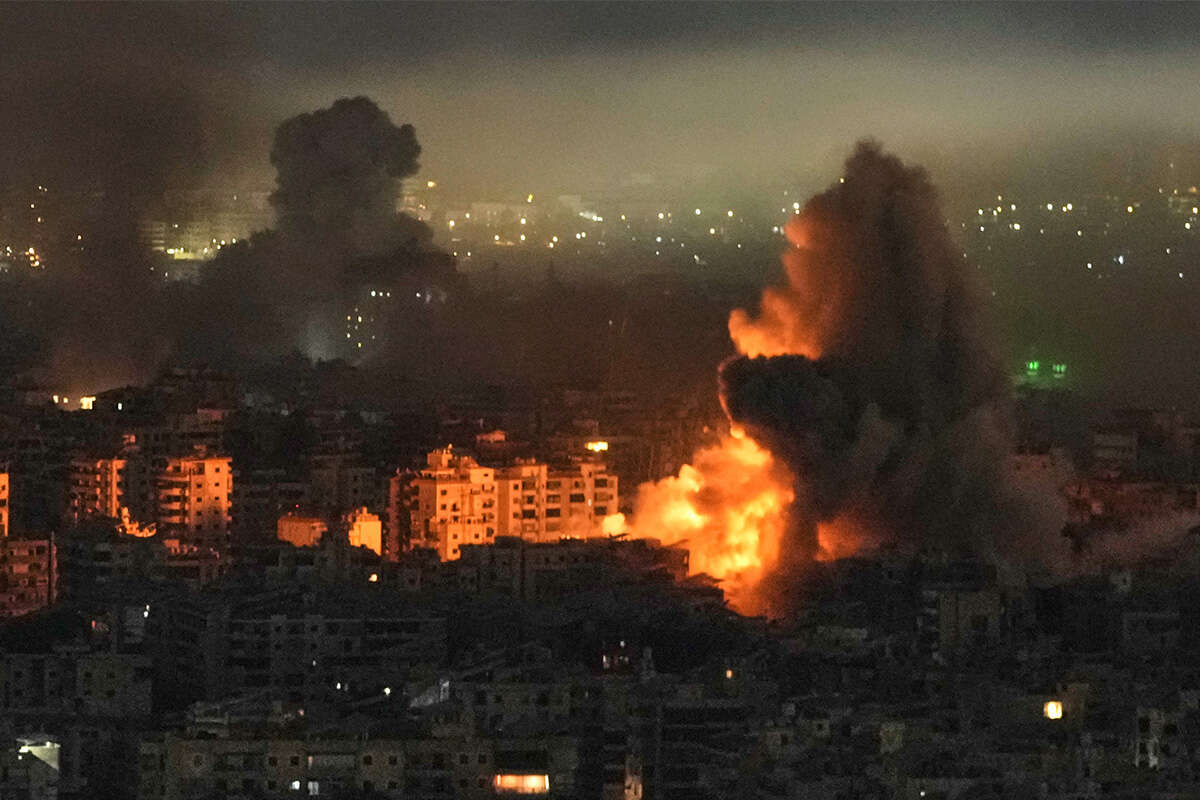
All this comes as direct talks with Lebanon continue and are expected to take place again next week, despite Hezbollah's threats.
The "no surprises" policy in the relationship between Netanyahu and Trump does not guarantee Israel the full extent of its security wishes in the regional arena. Instead, Jerusalem understands that Netanyahu is trying to influence the emerging agreement from within, in the hope of securing at least Israel's central security interests.