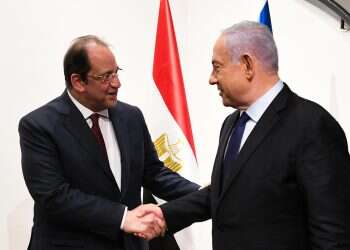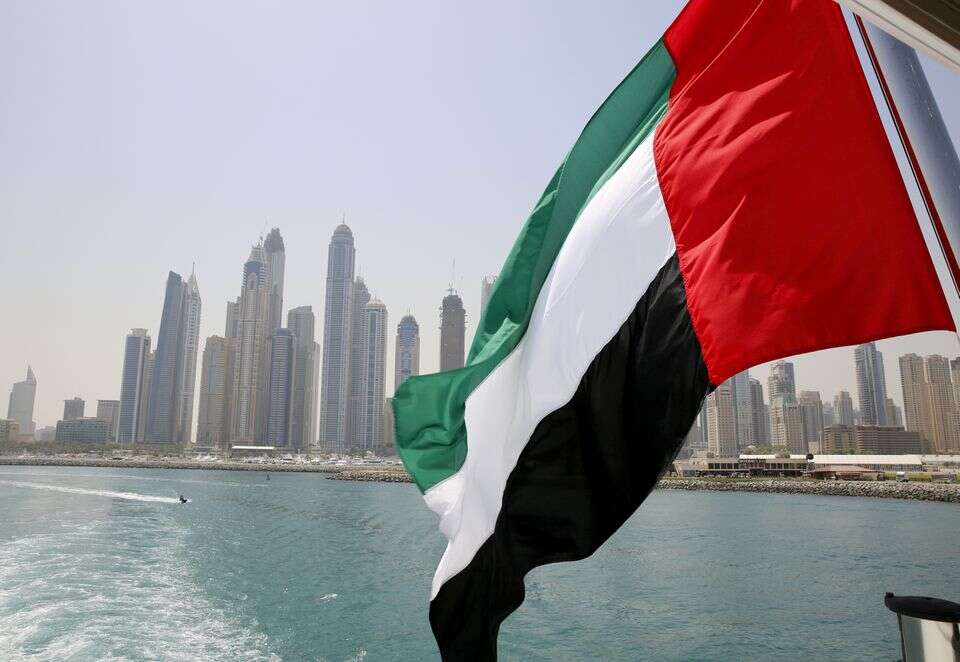
The United Arab Emirates denied reports that Prime Minister Benjamin Netanyahu had visited the country or that military delegations had been received there. The denial followed a series of reports about the arrival of Mossad chief David Barnea and Shin Bet security agency chief David Zini.
The official statement stressed that Abu Dhabi maintains public relations with Israel under the Abraham Accords and does not conduct them in secret. "Any claim regarding visits or arrangements that were not announced is baseless unless published by the relevant official authorities in the United Arab Emirates," it said.
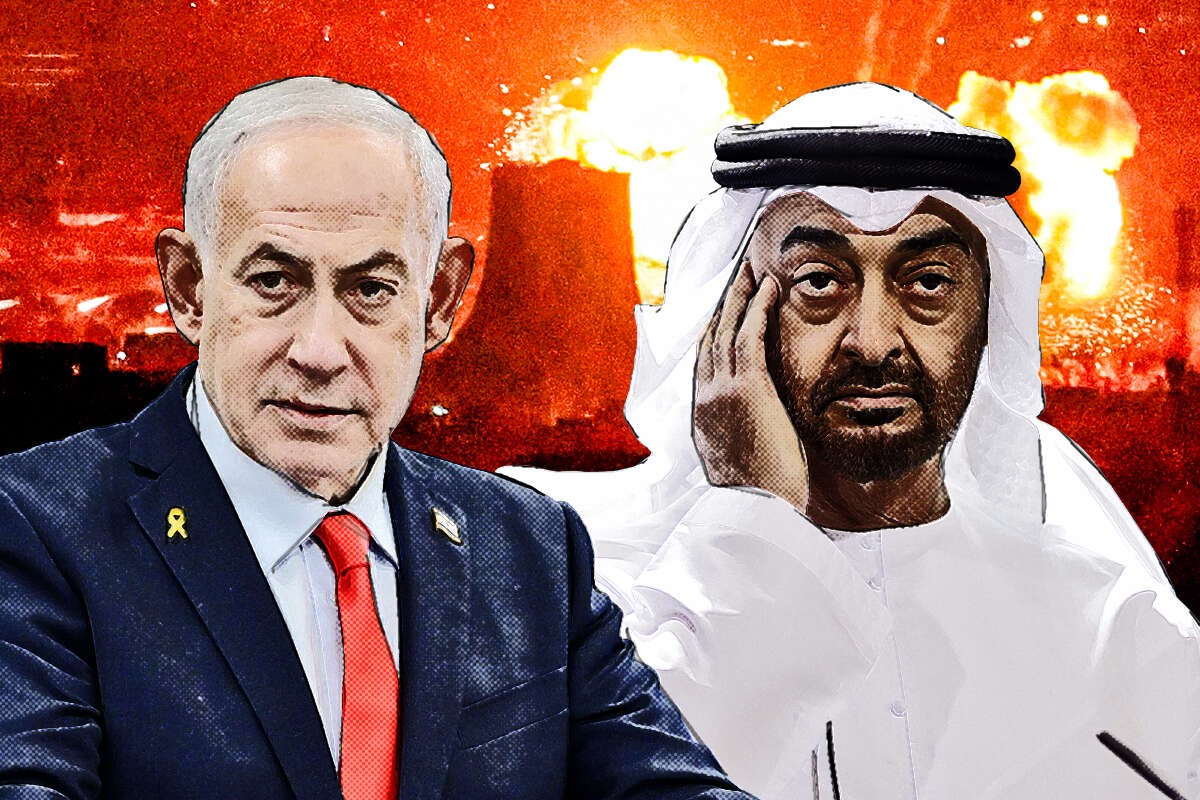
The denial comes against the backdrop of growing security tensions in the region, including following Operation Roaring Lion in Iran. Since the start of the war, hundreds of launches have been recorded toward the United Arab Emirates, including ballistic missiles, cruise missiles and drones.
In such a reality, the presence of senior Israeli officials could increase the motivation of Iran and its proxies to carry out further attacks. This is not a theoretical scenario: In January 2022, the Houthis in Yemen fired a ballistic missile at Abu Dhabi during a visit by President Isaac Herzog. The missile was intercepted and there were no casualties, but since then it has been clear that sensitive Israeli visits could serve as a pretext for escalation.
Another possible reason for the denial is dissatisfaction over leaks. The United Arab Emirates is highly strict about diplomatic protocol and does not look favorably on premature or uncoordinated reports. In Abu Dhabi, such reports may be interpreted as disrespectful, especially when sensitive issues are involved.
In other words, there may have been an expectation of advance notice regarding the very disclosure of the visit, both because of the security sensitivity and because of the diplomatic implications.

The incident is taking place at a complex time for the United Arab Emirates, which is dealing with significant regional shifts. Tensions with Saudi Arabia over issues such as Yemen have not yet fully subsided, while the country is also waging an ongoing struggle against elements affiliated with the Iranian axis.
This week, 21 individuals and entities were added to the UAE's terror list over ties to Hezbollah. In addition, last month the authorities announced the dismantling of a network of 27 suspects who were allegedly trying to transfer funds to hostile elements and spread the ideology of the Iranian regime.
At the same time, broader diplomatic and economic moves are also underway, including a withdrawal from OPEC and reports of measures against certain foreign populations. All these steps point to a calculated and cautious policy that does not tolerate uncoordinated deviations.
Israel is expected to take this complexity into account and coordinate moves related to relations between the countries, even when the events in question appear routine. The United Arab Emirates has recently emerged as one of Israel's most important allies, and the message is clear: Even small details can affect a strategic relationship.