


Amid a flood of unflattering reviews, here is an unpopular opinion. I loved "The Devil Wears Prada 2." It has become hard to admit such a thing in public, harder still to argue that the sequel actually reaches beyond the glittering surface of the fashion world – beautiful on the outside, rotten on the inside – to probe something deeper. Hard to admit, but necessary.
One of the central themes the film tackles (a small spoiler warning for those of you still holding out), picking up directly from the first film, is the balancing act between career, and partnership and family life. Of all themes, this one, which you would think would resonate with many women, is precisely the one that enraged international audiences and branded the film an outright failure.
The main criticism circulating online concerns the love interest of Andy Sachs (Anne Hathaway) in the film, who, according to viewers, came "out of nowhere" and "adds nothing to the plot." Or, as one particularly furious user summed it up in an Instagram video, "Why can't Hollywood let a leading character be single for a change? Who says she isn't happy that way?"
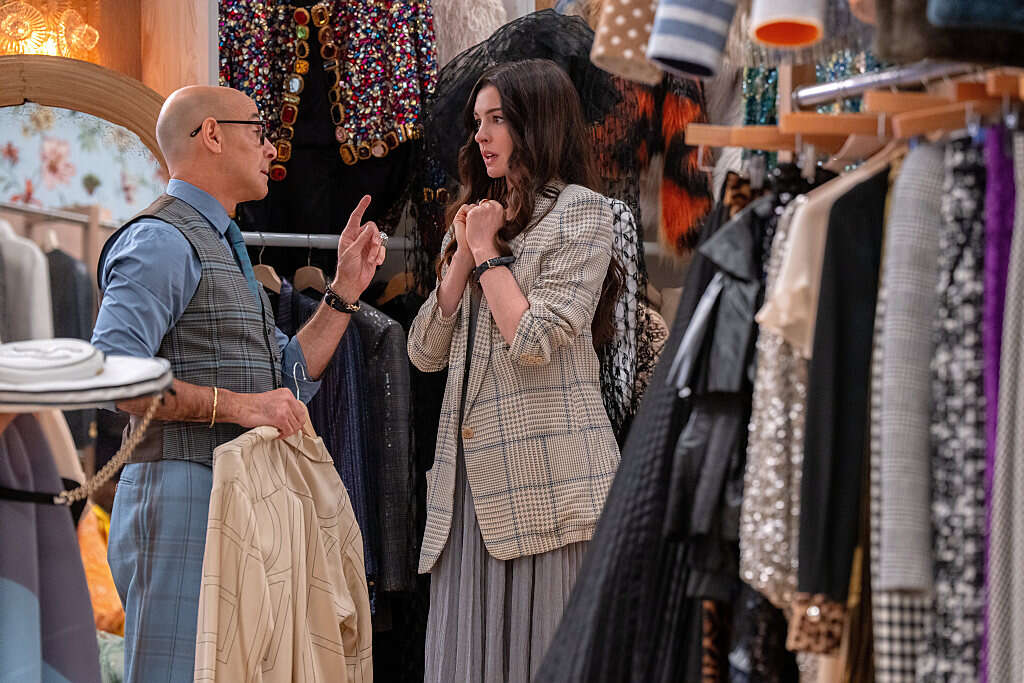
And here lies a question far more interesting than the tired debate over whether sequels work. Why does a film disappoint us if it doesn't necessarily say what we want it to say? Are creators obligated to tailor themselves to what is currently popular, or do they still retain the right to choose what message they wish to convey?
What the audience, as it turns out, expected from Andy's character was a representation of a non-conservative choice for women: self-fulfillment, not through starting a family. In other words, to portray a strong, single woman who realizes herself outside the role of wife and mother. And this is a legitimate expectation for a legitimate choice, especially because eyebrows still rise when women share such a choice. But this is the beauty of feminism: it takes countless forms. Who says Andy's character doesn't reflect some form of female empowerment, even if it isn't the one you were hoping to see?
It seems that if a radical choice isn't made for characters in any work, from cinema to Netflix, it is perceived by the audience as screenwriting negligence, Hollywood interference, or an outdated approach. There is no doubt that such things have happened, and there is no problem with calling them out. The real question is whether we, as viewers, can still see the complexity, the fact that in life, not everything is black or white. And mainly, whether we can remember that it is fine to see pieces of ourselves in a fictional character, and that she doesn't owe us a perfect mirror of our lives, or a stamp of approval for our choices on a big screen.
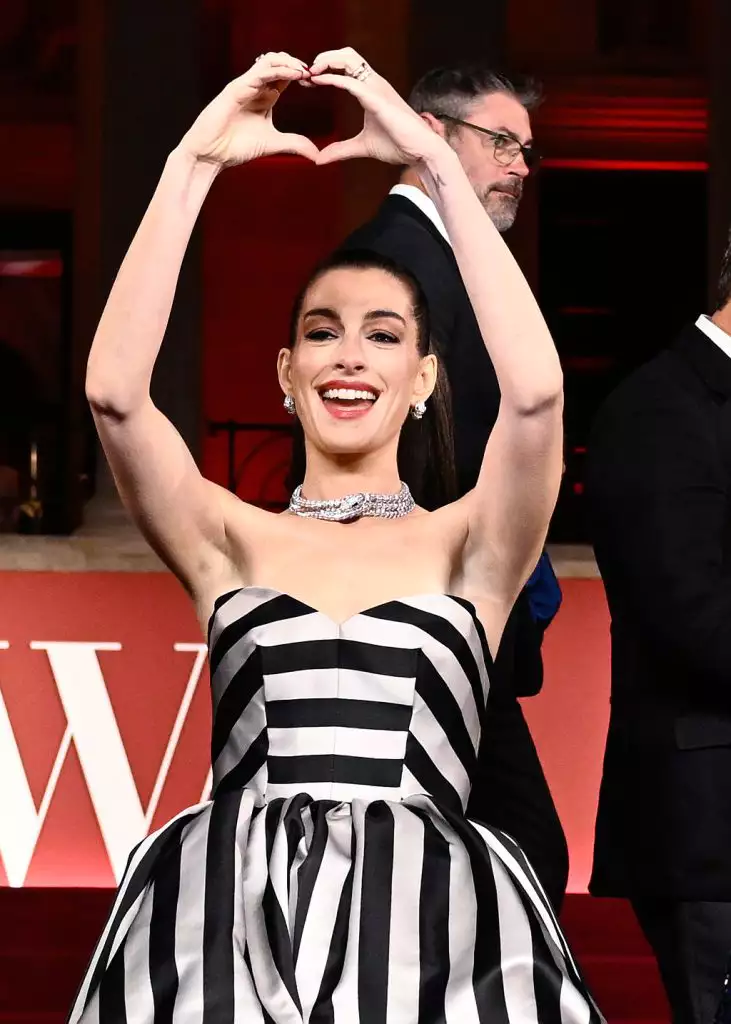
Another theme (a small and final spoiler, that's it), if not the most essential one in the film, is the slowly vanishing connection between past and future, between the old and the romantic and the new and the technological. This corresponds precisely with the criticism of Andy's love story in the film, since she begins it as a single woman approaching 40, saying she "hasn't yet found the right person" for her, and that her eggs "are waiting for her at some clinic" in New York.
In other words, at the initial point where we meet the character, she has made a "modern" choice to be a career woman who abandoned the dating world after numerous disappointments. The film, which as it progresses wrestles with the race toward innovation, also reflects her character's process. The right person managed to ignite a flame in her that had gone out, and who says that even if I made a certain decision, an event in my life couldn't make me reconsider, or bring back into my life a desire I had set aside?
Sequels always have been, and always will be, a contentious subject, and among the most popular reasons for disappointment. I have no intention of convincing you that this movie is a masterpiece, and honestly, I don't think anyone expected it to be. But before you judge the film's shallowness and "call the time of death," think about what Andy actually does represent: an uncompromising stance on success, and an uncompromising stance on love. Old and new. Is that really so terrible?