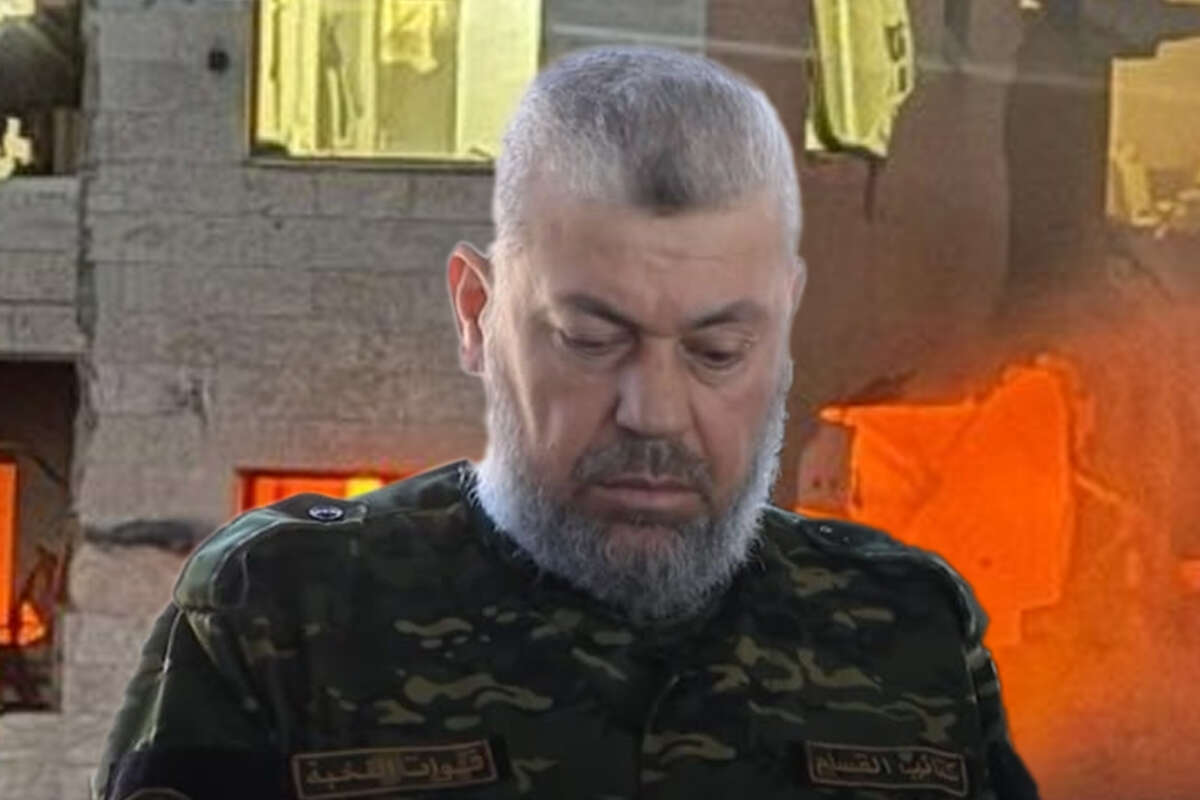
In recent months, there were several opportunities to eliminate Izz al-Din al-Haddad, and each time Israel's political echelon decided to refrain from doing so, until it did. The decision to carry out the elimination was made because of clear intelligence indicating that Hamas, in addition to rebuilding its strength and rearming, was once again planning attacks against IDF soldiers in the Gaza Strip, while at the same time preparing for the possibility that the war could reignite.
According to information reaching Israel, Hamas is using the enormous quantities of supplies entering Gaza for this purpose, and as envoy Nikolay Mladenov reported, it has no intention whatsoever of surrendering its weapons. In Mladenov's meeting with the prime minister and his team, the assessment was that other ways must be found to provide civilian aid to Gaza residents, since Hamas' control makes this impossible in areas under its rule.

There are therefore several main reasons for the elimination of al-Haddad, the last commander from Hamas' veteran generation. The first is Israel's commitment to settle accounts with the organizers of the Oct. 7 massacre, regardless of any agreement, deal, or diplomatic situation. Al-Haddad was one of the planners, part of the narrow inner circle of Yahya Sinwar and Mohammed Deif. He commanded and supervised the terrorists who held the hostages, managed the fighting in the Gaza sector, and after the eliminations of Sinwar and Deif became the supreme commander.
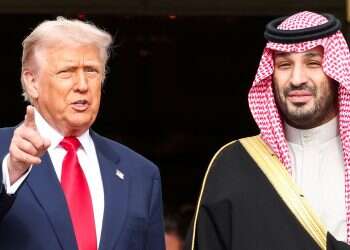
Al-Haddad supported reaching the ceasefire and accepting Trump's plan because of the dire condition of the military wing, following the IDF's advance into Gaza and the isolation of units from one another. He was, in effect, the last senior "head" Israel was looking for and needed to mark off, as part of the deterrent declaration and the message being sent across all fronts: Gaza, Lebanon and Iran. The leadership will be cut down, and anyone responsible, anyone who planned and gave the order to act, will be eliminated. The message is also directed inward, at Israelis: It is the duty of the political and military echelons to settle accounts with those responsible for the worst massacre in the country's history, just as in the case of Eichmann.
A ceasefire does not grant immunity
The second reason is the deterrent message to the current Hamas in Gaza, according to which the ceasefire does not grant immunity to its operatives, against the backdrop of its refusal to surrender its weapons and relinquish control of the Strip. The message is also aimed at Hamas' next leader, whether Khalil al-Hayya or Khaled Mashaal, making clear what awaits him and the rest of the leadership if they do not move forward with completing Trump's 20-point plan.
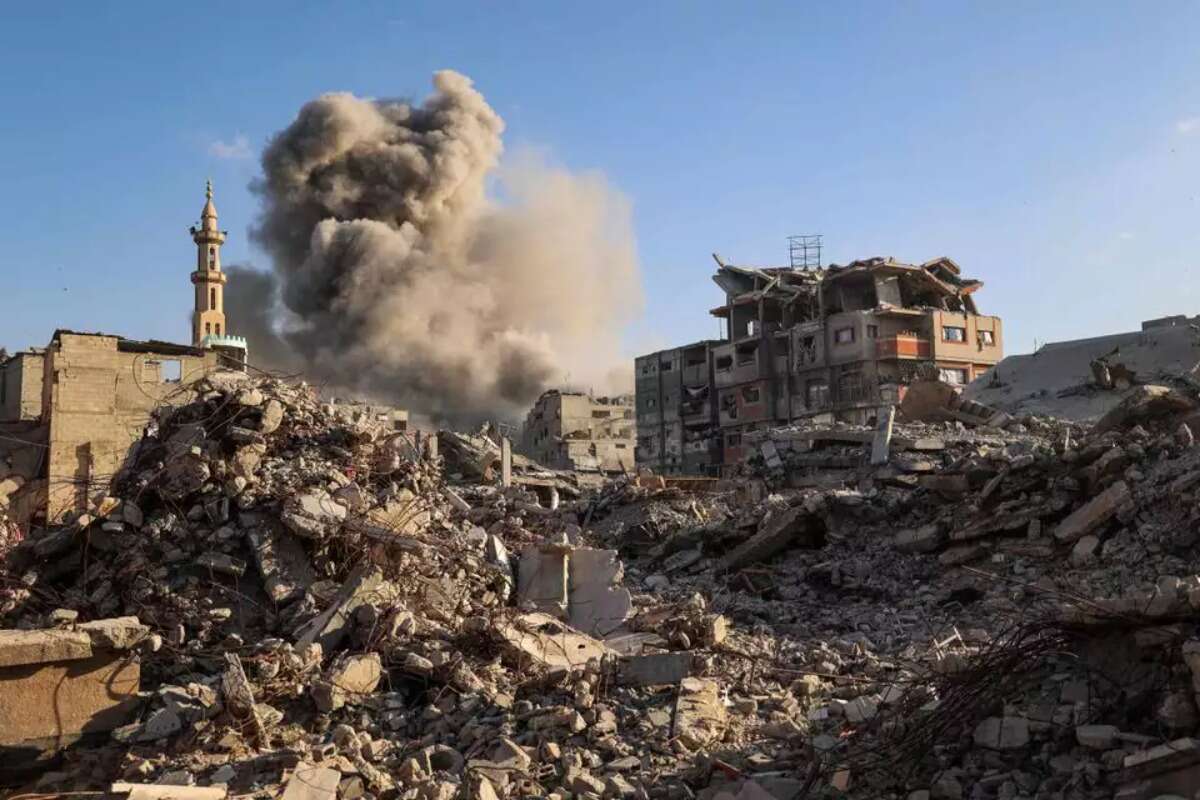
The additional reason is the outward-facing message to the international community: redrawing the status quo in the Gaza Strip and preparing for the possibilities ahead once the war in Iran comes to an end. Among other things, the statement is that Israel itself will set the boundaries of the ceasefire and will not allow Hamas to build up its strength without limit.
Israel is taking advantage of the lack of international attention on Gaza, as the focus is currently on Iran and the Strait of Hormuz. The message further states that Israel is pursuing an independent security policy, even if it is coordinated with the Americans, and that it has not abandoned the main objective of the war in Gaza: ending Hamas' rule and fully neutralizing it militarily.
Does this mean the resumption of the Gaza War? Apparently not, at least not until the Iran War, along with its Lebanese annex, comes to an end. But it is certainly possible that the IDF will expand its activity in the Strip, even through targeted operations.