His elimination is an operational achievement for the IDF and the Shin Bet security agency, the kind Israel has carried out countless times in recent years in every possible theater of war. It is certainly a morale blow to Hamas, but it is far from a strategic victory. Past experience shows that a successor will quickly arise, and that the terrorist organization will not change course. What was not achieved in two years of difficult fighting will not be achieved by one elimination more or less. There is no total victory here.
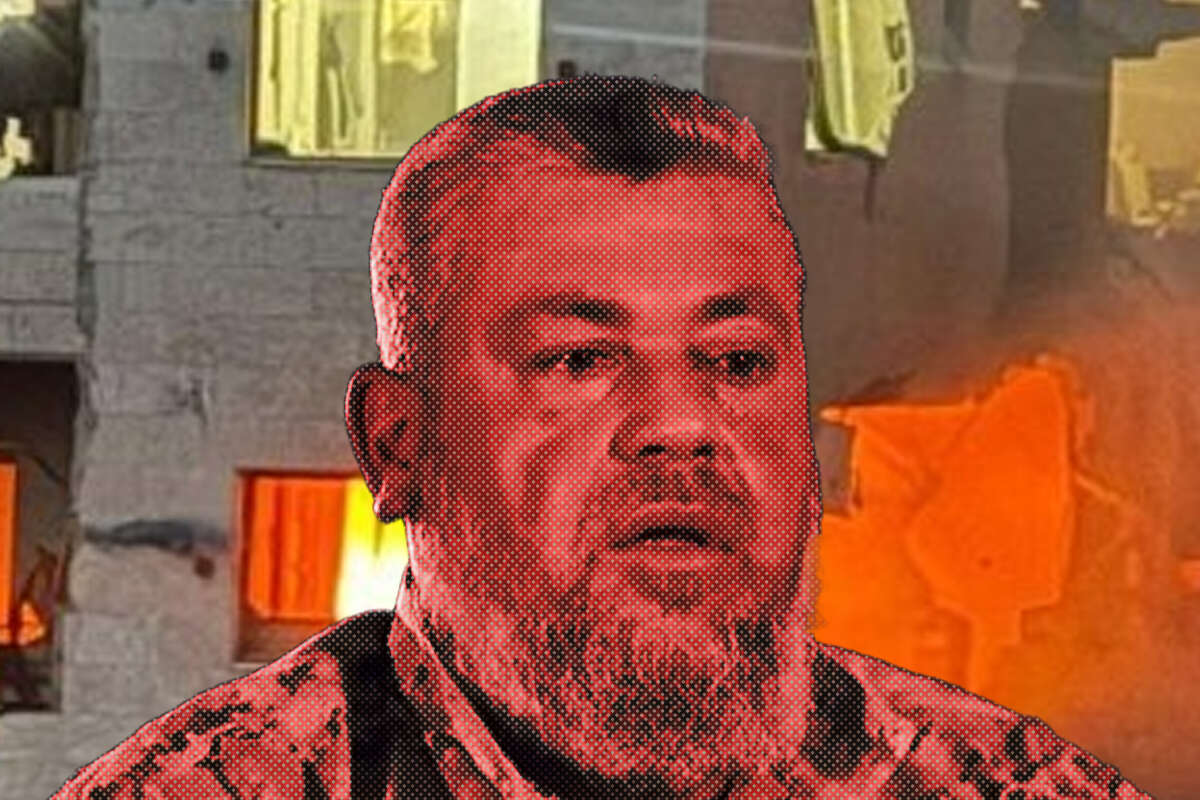
Still, several things can be learned from this elimination. The first is Israel's commendable determination to continue pursuing those responsible for the worst massacre in its history, certainly if they continue to play a central role in the ranks of its enemies. The second is Trump's limited interest in Gaza, which had been his "baby" until just a few months ago. The third is Hamas' determination to continue holding on to Gaza, both politically and militarily. The fourth is the absence of any solution, contrary to what was promised, to the Gaza issue. And the fifth, following from that, is the possibility, which is not at all remote, of renewed large-scale fighting in the Strip.
The IDF has been preparing for this in recent months and is meanwhile expanding the areas it holds on its side west of the border, amounting to more than 50% of the Gaza Strip. Hamas is also preparing for fighting, mainly in terms of recruiting fighters and acquiring weapons. For now, it is careful not to give Israel a pretext to launch a renewed campaign, although it is difficult to bet that this will not happen in the coming months. The international system, led by mediator Nikolay Mladenov, is expected to face considerable work in the effort to prevent the fighting from resuming.
For now, the international system is mainly occupied with Iran. A report in The New York Times hinted at what was written in Israel Hayom last week: The campaign is close to being renewed in the absence of a diplomatic way out. Trump must now address this, upon his return from China, after failing in his efforts to enlist the leadership in Beijing for effective pressure that would force Tehran to make concessions in the negotiations. He will do so, if he does, with obvious reluctance: His generals are struggling to promise that they can now achieve what they failed to achieve in six weeks of fighting in March and April.

This applies mainly to the nuclear issue, as well as everything related to forcibly opening the Strait of Hormuz. The objective of toppling the regime remains on the sidelines, for now at least, although Israel is still hoping for a domino effect that would cause this to happen. In Washington, it seems, the aspirations are more modest: that a short, intensive military strike will cause Tehran to back down before it suffers further damage.
Trump wants this campaign to end before his big celebration begins: the World Cup. Iran is aware of this, and it is not certain that it will cooperate with the American timetable. Israel must be alert to this, especially when it comes to possible concessions in the negotiations taking place, and that will continue to take place, behind the scenes.
If Trump does indeed order a strike, it will likely focus on Iran's national infrastructure. It can be assumed that Israel will be part of the war effort in order to increase the pressure on Tehran. This also means a renewed attack on the home front. The first few days are expected to be intensive, after Iran restored a significant part of its launch array.
Resolving the deadlock with Iran will also affect developments in the Lebanese front. On Thursday, another round of talks between Israel and Lebanon in Washington ended and was described as successful, but the key remains in Iran. If Tehran succeeds in tying Hezbollah to any deal reached on its issue, Israel and Lebanon will struggle to disentangle it. By contrast, if Israel succeeds in once again separating the fronts and broadly threatening the terrorist organization, it will help the Lebanese government and other international actors advance a process that could reduce Hezbollah's influence over Lebanon and over Israel.