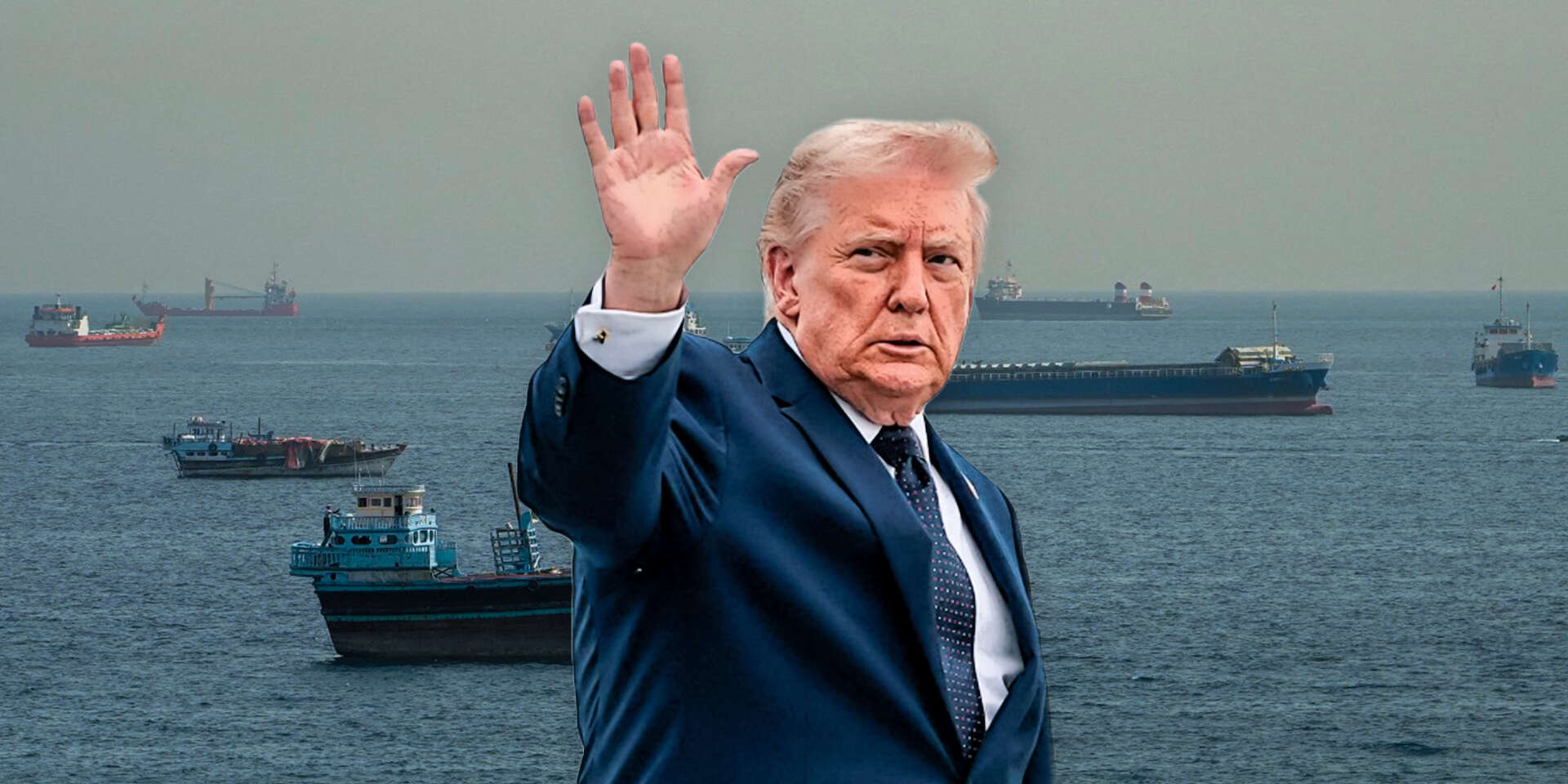
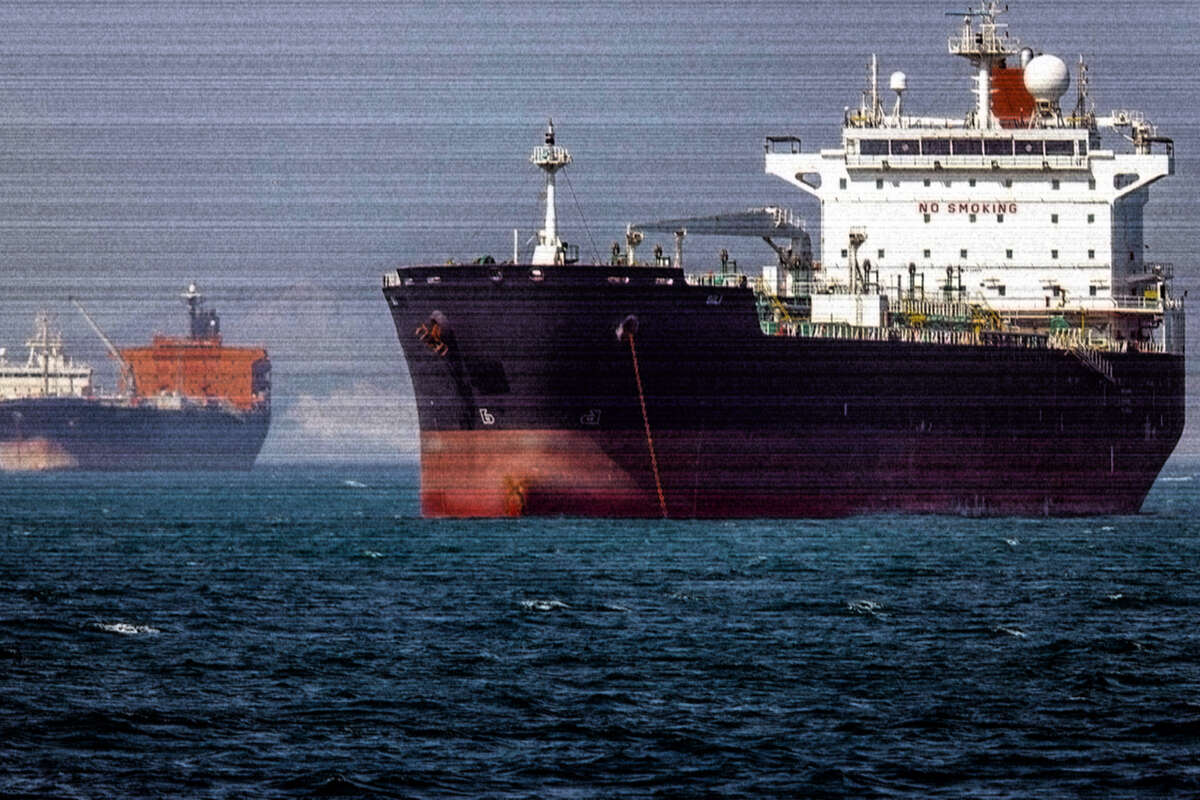
For now, the only clear change the emerging deal between the US and Iran will bring about is the mutual reopening of the Strait of Hormuz. In other words, Iran will allow the thousands of ships stuck in the Arabian Gulf to leave safely. In return, the US will permit Iranian tankers to resume transporting oil to China. As of now, the sides are apparently still arguing over these details as well. But if there is an agreement, and that is still an "if," this is the only practical achievement at the moment.
All the other disputed issues between the countries, which are large, far-reaching and of critical importance to Israel's security, are being deferred to negotiations that are supposed to open between the sides. No one knows whether such negotiations will actually take place. It is even more doubtful that they will mature into any agreement, let alone within two months.
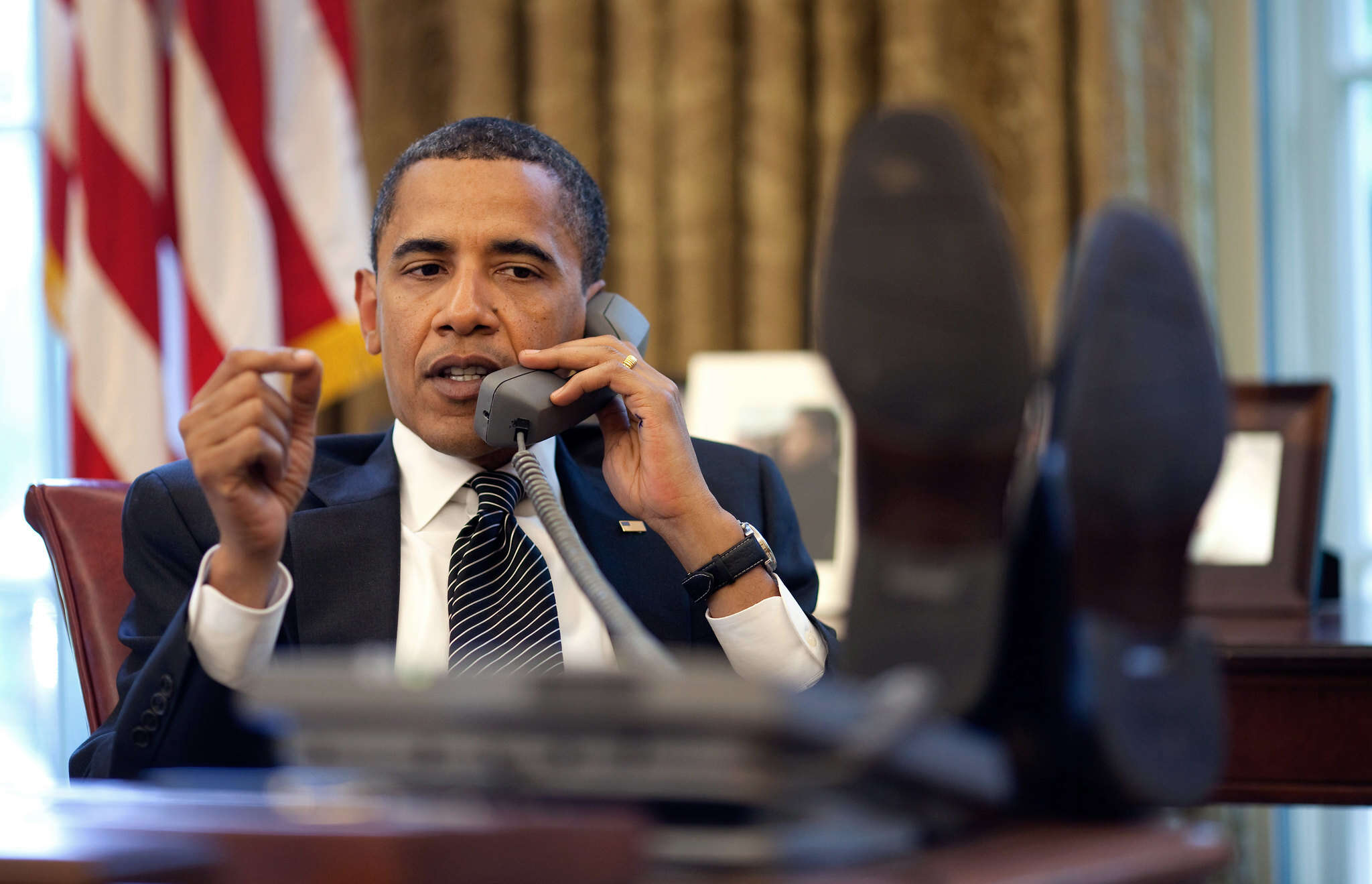
It should be remembered that the talks between the US and Iran under former US President Barack Obama stretched over three years. Their result, in the form of an interim agreement in 2013 and later a permanent agreement in 2015, extended over hundreds of pages that went into the minute detail.
The current administration does not appear to have the time, attention span or personnel to formulate such a document. That is certainly the case if the sides are to discuss a series of additional issues that Obama did not touch, such as the missile program and support for Hamas, Hezbollah, the Houthis and other terrorist organizations across the Middle East.
In other words, realistically speaking, the result we are likely to reach is the reopening of the straits and a return to the conditions that prevailed before Operation Rising Lion and Operation Epic Fury. Beyond that, it can be assumed that the sides will tread water until further notice.
Victory image
Iran is on shaky economic ground. Its regime has been battered, and its military weakness has been put on display for all to see. But, and this is a significant but, the regime met the only objective it set for itself. It survived, and even leveraged its international power through the blockade of Hormuz. Another Iranian achievement is the prevention of an anti-Iranian bloc made up of America, Israel and the Arab states. That did not happen because of Iran's wisdom, but rather as a result of the cowardice of Mohammed bin Salman, the ruler of Saudi Arabia. Still, that is the reality.
The administration, by contrast, has not achieved any of its declared objectives. As of now, US President Donald Trump cannot say that he has removed Iran's nuclear threat, or stopped its missile program, or ended the regime's support for proxy organizations that spread terrorism around the world. On the contrary, the agreement stipulates that Hezbollah, too, will be required to cease fire. In other words, the US recognizes and enables the Islamic Republic to remain a military and political player in Lebanon, in complete contradiction to the goals of the war.
Above and beyond all this, Iran can and does provide the world with a victory image in the very fact that it is still standing. Trump, as of now, has no counterimage to present. And that is not very good news for the people of Israel.
To Trump's credit, it should be said that he tried. His audacity and willingness to direct the immense firepower of the US toward Iran are vastly preferable to the historic inaction of all his predecessors. True, Iranian propaganda can celebrate. But it can be assumed that from now on, the regime will weigh its steps carefully, knowing that America may not be omnipotent, but its blows can certainly be very painful.