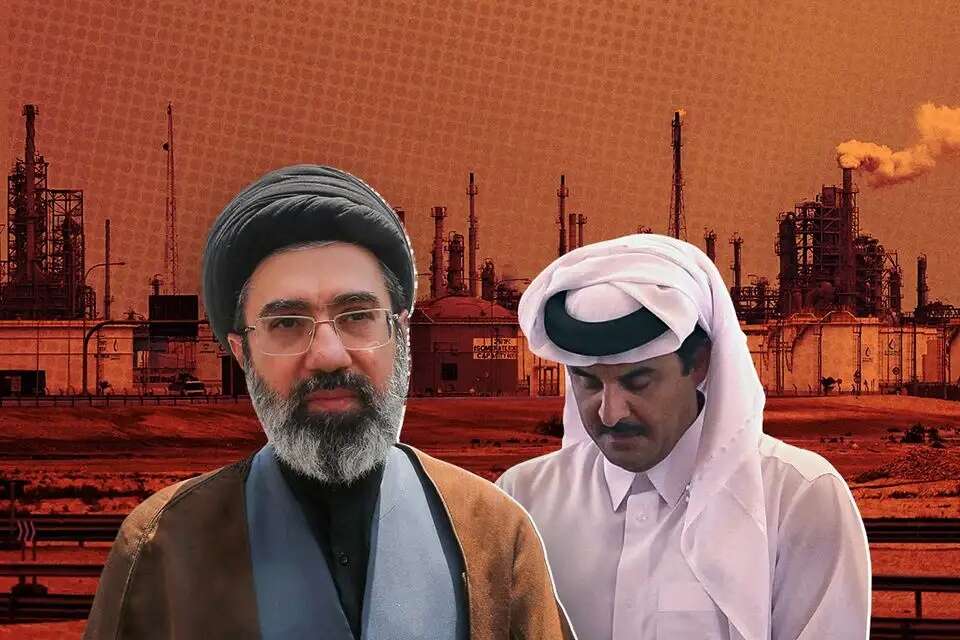
Qatar's involvement in the talks between the US and Iran is not coincidental, and in fact began several weeks ago. Today's visit by Foreign Minister Abbas Araghchi, together with Central Bank of Iran Governor Abdolnaser Hemmati, points to Qatar's deep involvement, particularly on the economic front, but it apparently goes far beyond mediation in the negotiations.
According to two diplomatic sources in the Gulf and a Western intelligence official who spoke with Israel Hayom, Qatar has provided financial assistance to Iran in recent weeks. Iran's treasury is close to bankruptcy because of the US naval blockade, and aside from failing to pay public-sector salaries and struggling to pay for imports of goods and food, the coffers of the Islamic Revolutionary Guard Corps have also been hit. This is one of US President Donald Trump's main pressure levers against the IRGC's hawkish leadership, and it is what led it to make certain concessions in the current memorandum.
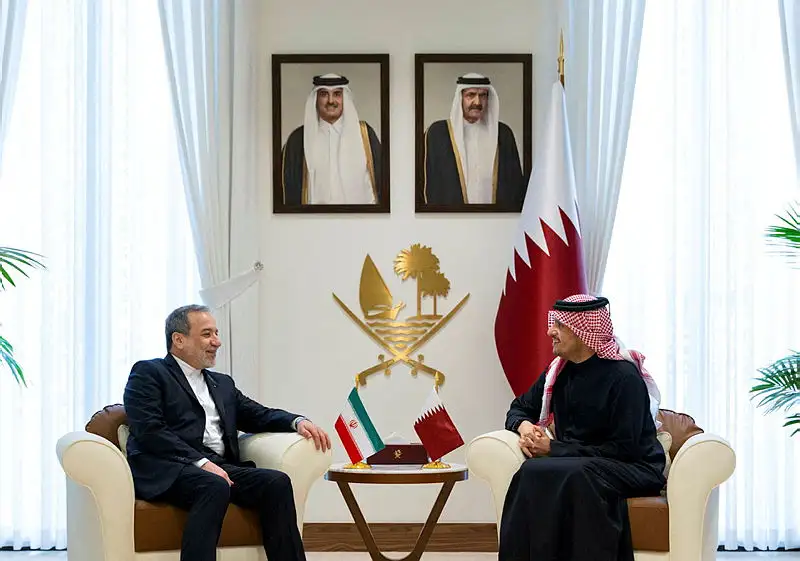
The sources said Qatar transferred substantial sums of money to the Iranian regime following contacts held in recent weeks. According to the sources, contacts between Doha and Tehran expanded after the ceasefire more than a month ago, with Qatar's primary goal being to prevent a renewed Iranian attack on it, as occurred during the war. In the incidents that took place after the ceasefire, the UAE was attacked, as was Saudi Arabia on one occasion, but Qatar remained protected.
According to the sources, Iran demanded access to some of its deposits in Qatar, with some of the payments to be disguised as payments for tankers passing through the Strait of Hormuz. One of the sources said the two countries are conducting secret negotiations on a broader arrangement that would include, among other things, Qatari assistance in developing the giant gas field shared by the two countries. Under an agreement signed more than a decade ago, Qatar committed to developing the field on the Iranian side as well, but did not do so. During the war, Iran attacked one of the gas facilities, a move that led Qatar to open a channel of dialogue with Tehran.

One of the officials said that during the visit by Araghchi and Hemmati, calls were held from Doha to Washington. Envoys Steve Witkoff and Jared Kushner, who are in charge of the negotiations, have excellent diplomatic and economic ties with Qatar, and according to the official, they were on the other end of the line.
Divisions in the administration
Meanwhile, divisions within the US administration over the continuation of the talks are growing in light of the domestic criticism the president has faced over the draft memorandum of understanding with Iran. This explains his series of posts, as well as the tougher US demands in the negotiations.
According to a source familiar with the talks, there are three main points of dispute on which there has been no progress for several days. The first is the Iranian demand for the release of funds, including $12 billion frozen in Qatar, immediately upon signing. The Americans are prepared to do so only after the full opening of the Strait of Hormuz and a commitment on the nuclear issue. The second is Iran's refusal to provide a substantive written commitment on the issue of enriched uranium, and the third is its refusal to address the continuation of enrichment.