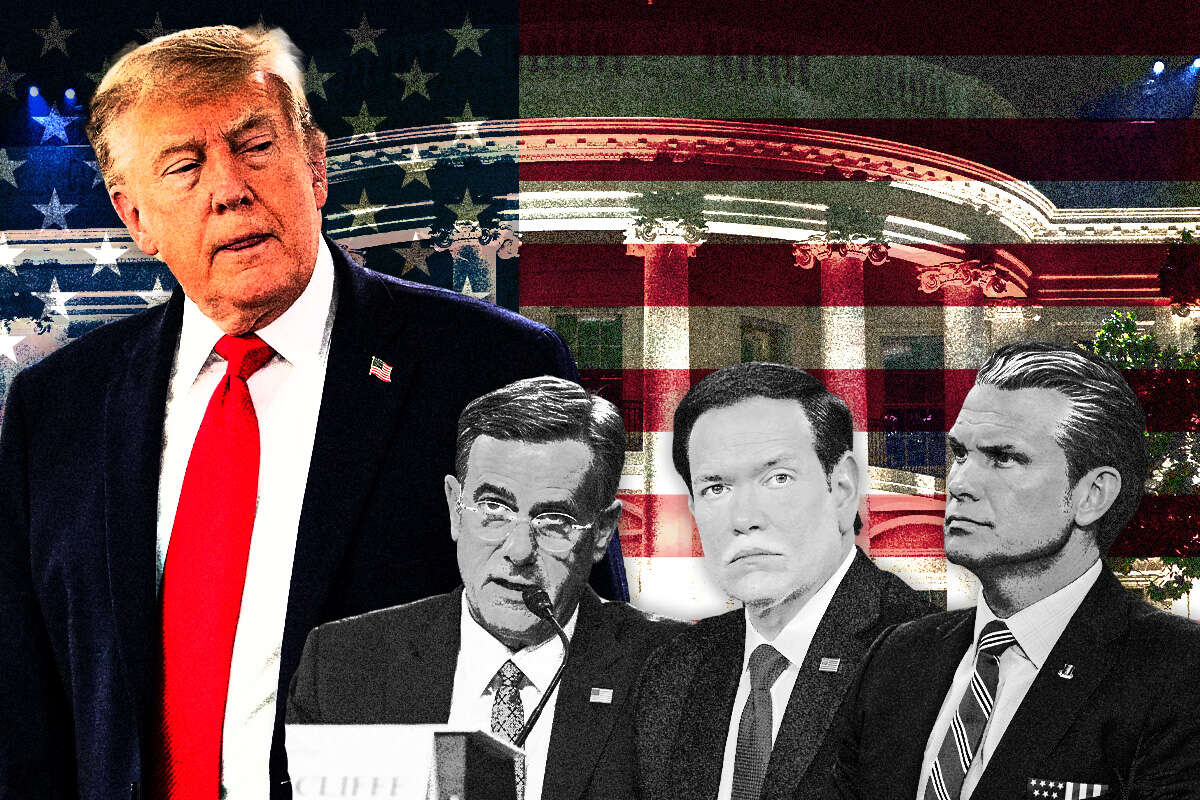
The US strikes overnight between Tuesday and Wednesday were accompanied by opposition and debate within the administration between the Vance-Witkoff-Kushner camp and Secretaries Pete Hegseth, Scott Bessent and Marco Rubio, along with CIA Director John Ratcliffe. This dispute reflects the core of the American dilemma over how to manage the problematic situation that has emerged, namely violations of the agreement alongside the renewed sanctions and concern over a full closure of the Strait of Hormuz.
President Donald Trump promised another intensive strike, which could trigger Iranian countermeasures. Nevertheless, the likelihood of a slide back into full-scale war remains low.
The message that led to the strike on Iran
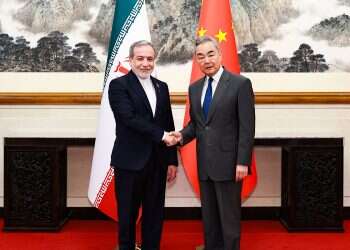
Trump's decision to launch the strike came after envoys Steve Witkoff and Jared Kushner reported that the Iranian negotiating partner, Foreign Minister Abbas Araghchi, had said he could not guarantee that the Islamic Revolutionary Guard Corps would not continue firing on ships and tankers crossing the Strait of Hormuz.
That statement effectively ended the attempt to reach an understanding with the Revolutionary Guards over a temporary lull during the mourning period for Ali Khamenei and the continued export of Iranian oil. The request for calm during the mourning days came from Iran, and the Americans assessed that the Guards' leadership would uphold the understandings at least temporarily because of the especially large share of Iranian ships and tankers crossing the strait, generating revenue of about half a billion dollars a day.
In addition, imports into Iran had resumed, mainly food and medicine, but also industrial equipment intended to repair damage from the war. The longer-term outlook remained pessimistic, with officials determining that there was a "low probability" of reaching a full agreement between Iran and the US on ending the war.

The Revolutionary Guards' gamble
The Revolutionary Guards' leadership, however, decided to "break the rules" and insist on the principle of long-term control over Hormuz by requiring all ships passing through to report, receive passage approval and pay for it. This conduct directly contradicts a clause in the memorandum of understandings that stipulates completely free movement through the strait, at least for the duration of the negotiations. That clause led to the US concession of lifting the blockade and sanctions, including sanctions that had been in place before the war.
Among intelligence and assessment officials in Israel and the US, the main conclusion is that the Revolutionary Guards' leadership believes it can extract more and more concessions from the Americans in the near future, including consent to collect passage fees in Hormuz. In doing so, they are prepared to endanger oil exports, which are now flowing at a rapid pace. This gamble reflects their self-confidence, though it is not clear that it is sufficiently well-founded.

According to two sources familiar with the matter, Trump convened a consultation with his senior ministers and several advisers. At the end of the meeting, he decided to launch strikes on a larger scale than the previous round, but still not in a way that would "break the rules." Both during that meeting and over the past day, envoys Witkoff and Kushner continued to advocate continuing negotiations with Iran.
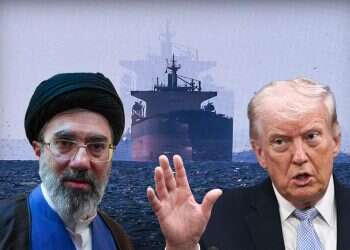
Trump himself addressed this in conversations with journalists during his visit to Turkey, saying the envoys wanted to continue talks, but that he himself did not believe in them. He sharply criticized the Iranians, called them liars and lunatics, and said that even if there were an agreement, they would not honor it. At the same time, Trump asked his ministers and advisers to prepare several possible alternatives, with the likelihood of a return to full-scale war being less realistic.
Trump's three options
Supporters of negotiations believe they should continue in order to reach an agreement on the nuclear issue, based on the assessment that the economic benefit such an agreement would bring Iran would ultimately outweigh opposition from the Revolutionary Guards' leadership.
According to them, Iranian fire is part of the negotiations and will stop once the talks lead to an agreement. This track will inevitably lead to further US concessions in the financial sphere, as shown by the envoys' approach to Iran, published last week, proposing that Tehran give up collecting fees in exchange for the immediate release of several more billion dollars.

The second option is to enforce sanctions on Iran as they were before the war, thereby preventing most fuel exports, in order to increase pressure on the Revolutionary Guards' leadership ahead of more practical negotiations. This partial enforcement is supposed to allow at least some tankers and cargo ships to pass through Hormuz, in order to prevent fuel prices from rising.
The third option is a return to a naval blockade of Hormuz and a complete halt to Iranian oil exports and imports of goods. In practical terms, this could only take place in two weeks. It would mean heavier economic pressure on Iran, but also a return to a trickle of tankers and ships leaving under military escort through Hormuz, as well as the risk of escalation by Iran, including attacks on Gulf states.