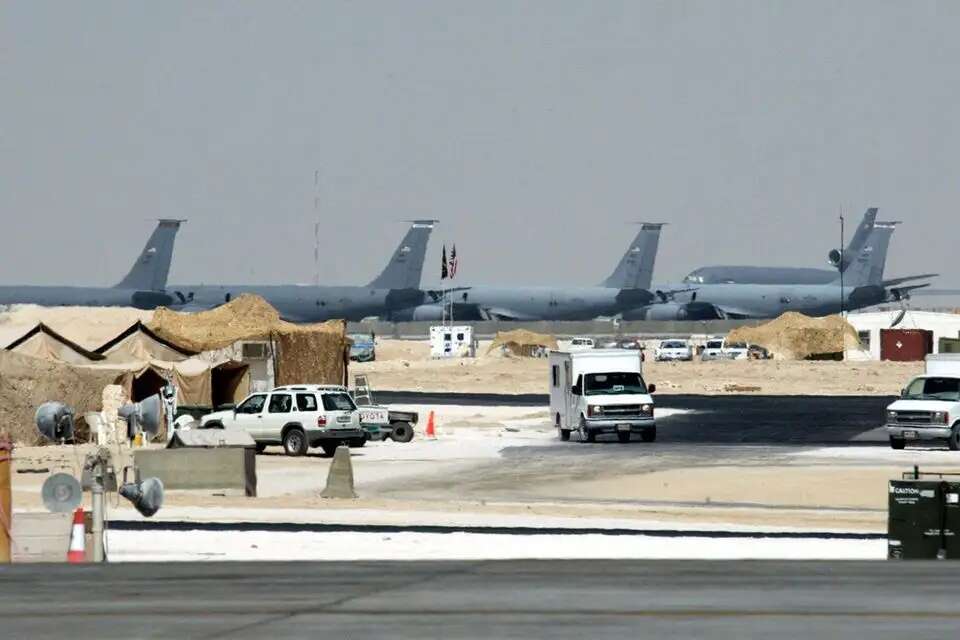
Discussions among Israel's political and security leadership over the US aid agreement are continuing, and Prime Minister Benjamin Netanyahu, Defense Minister Israel Katz and senior security officials are expected to discuss tonight the possibility of moving American bases from countries in the region to the Negev.
Political officials have expressed a positive view of the possibility of transferring US bases to Israel, and the issue has already been raised with senior American officials. However, no final decisions have yet been made, and talks between the sides are still ongoing.
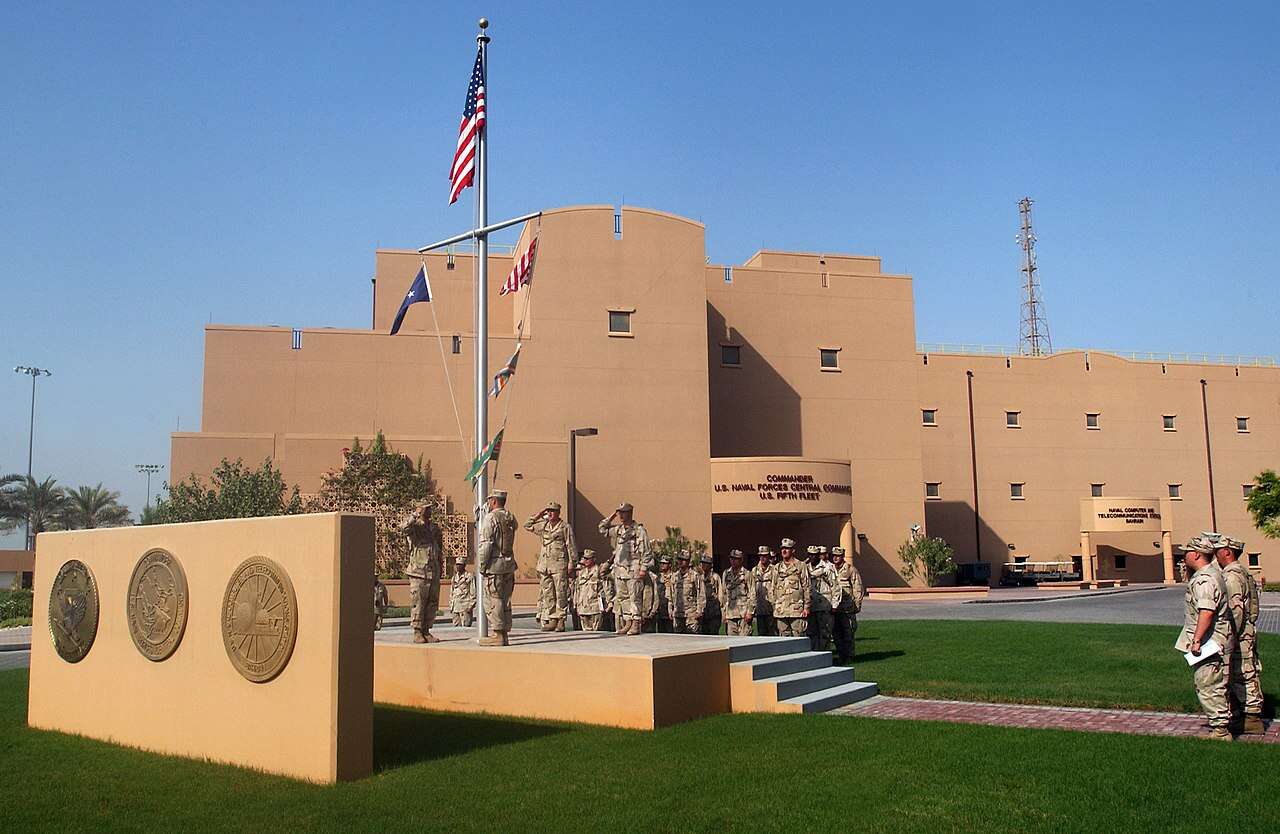
The option being examined comes against the backdrop of a reassessment in the US of the deployment of American forces in the Middle East, and particularly the future of bases in countries across the region. These include bases in Kuwait, Bahrain, the United Arab Emirates, Saudi Arabia and Qatar, countries that are within range of the Iranian threat.
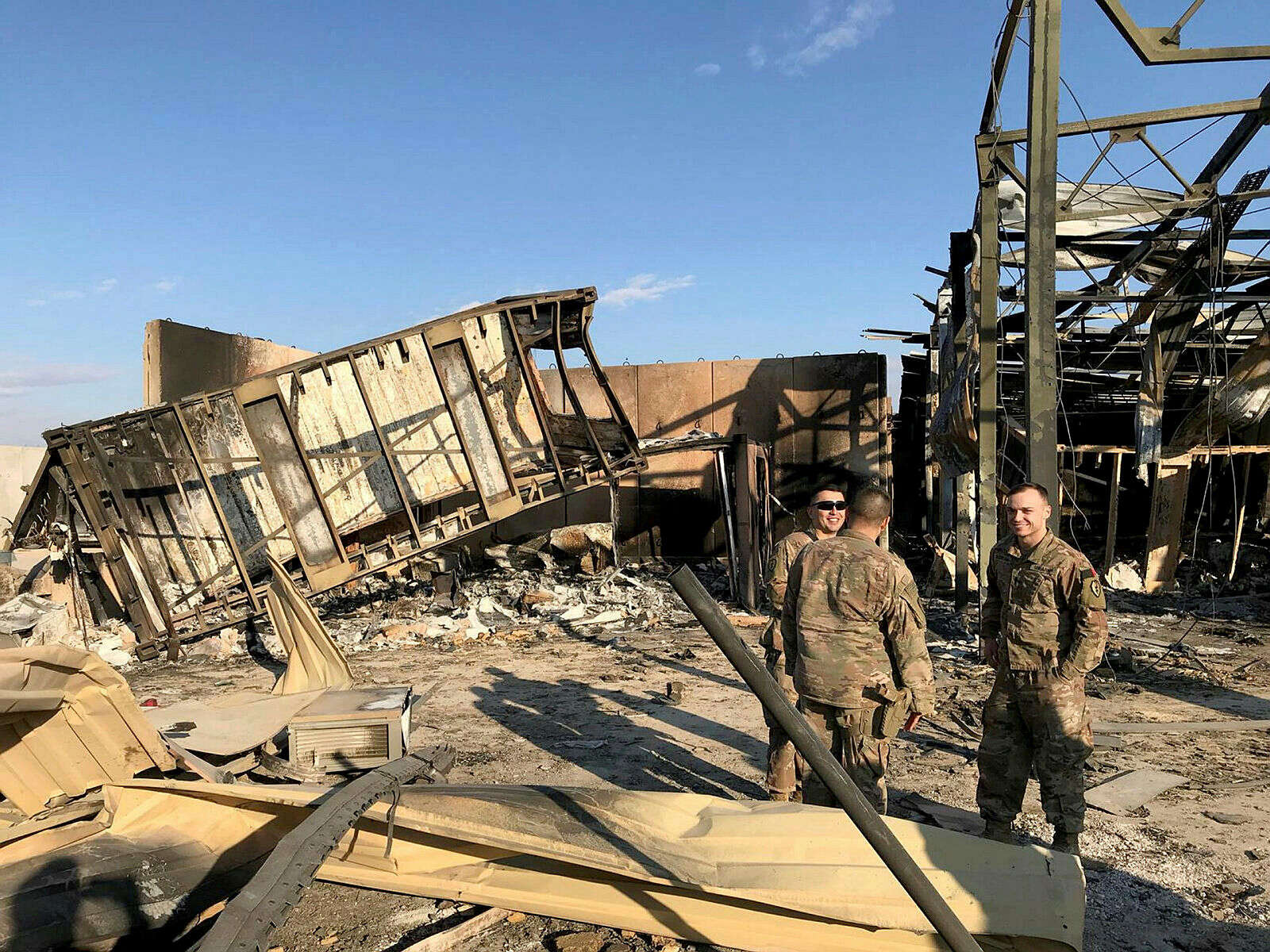
The discussions also come amid reports in the US in recent months that the damage caused to American bases in the region by Iranian attacks was more significant than initially reported. According to those reports, the strikes on bases and military infrastructure sharpened Washington's need to re-examine the location of US forces in the Middle East and the extent of their exposure to threats from Tehran.
Israel offers several clear advantages from the American perspective: geographic proximity to the main theaters of operation in the Middle East, close security and intelligence cooperation, advanced technological infrastructure, a pro-American population and one of the world's most advanced multilayered air defense systems. Moving bases to the Negev could also deepen the security relationship between Israel and the US, while bringing economic and employment benefits.
Advantages and concerns
Alongside the potential advantages, Israel's political and security establishment is also aware of the risks involved in such a move. A permanent and extensive presence of American bases in Israel could make the country an even more significant target for Iran and other actors in the region, especially in the event of a direct escalation with the US.
Another issue that may come up in the discussions is the extent to which such a move could affect Israel's freedom of action. The deployment of American forces and infrastructure on Israeli soil could strengthen Washington's security commitment to Israel, but could also lead in the future to American pressure on Jerusalem to refrain from military steps that could endanger US forces stationed in the country.
Tonight's discussion is expected to take place as part of the broader talks on the next US aid agreement and the nature of security cooperation between the countries in the coming years. Israel is examining the possibility as part of a broader approach aimed at deepening the alliance with the US, but at this stage the move remains under review and no final decision has been made.