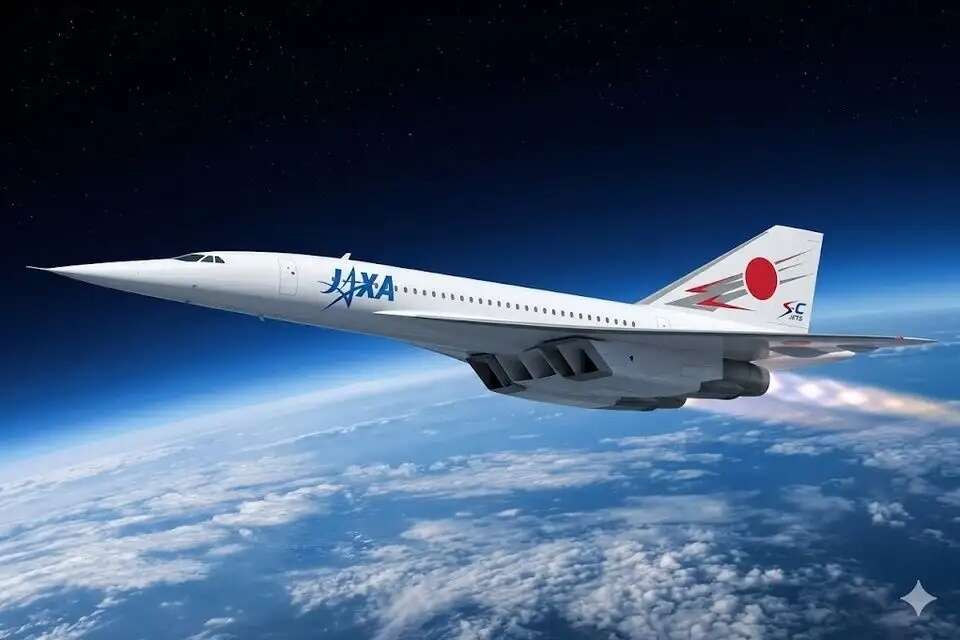
apan has made significant progress in developing a new hypersonic passenger aircraft designed to fly at 2.5 times the speed of the legendary Concorde. If the project reaches the commercial stage, it could shorten flights between Tokyo and the US West Coast to just two hours.
In a test conducted by the Japan Aerospace Exploration Agency, known as JAXA, an experimental aircraft was installed inside a ramjet engine test facility at the Kakuda Space Center in Miyagi Prefecture. According to the report, the system simulated flight conditions at Mach 5, roughly five times the speed of sound. The test was deemed a success after it verified the durability of the aircraft's thermal protection system, control surfaces and ramjet combustion performance under the extreme conditions of hypersonic flight.
Under such conditions, temperatures around the aircraft can reach nearly 1,000 degrees Celsius (1,832 degrees Fahrenheit). The next stage of the program may involve using a launch rocket to carry out a real flight demonstration at Mach 5. The hypersonic aircraft is designed to operate at altitudes of about 90,000 feet, more than twice the cruising altitude of regular airliners, and to travel at around 5,300 kph (3,293 mph), roughly six times faster than a conventional passenger plane.
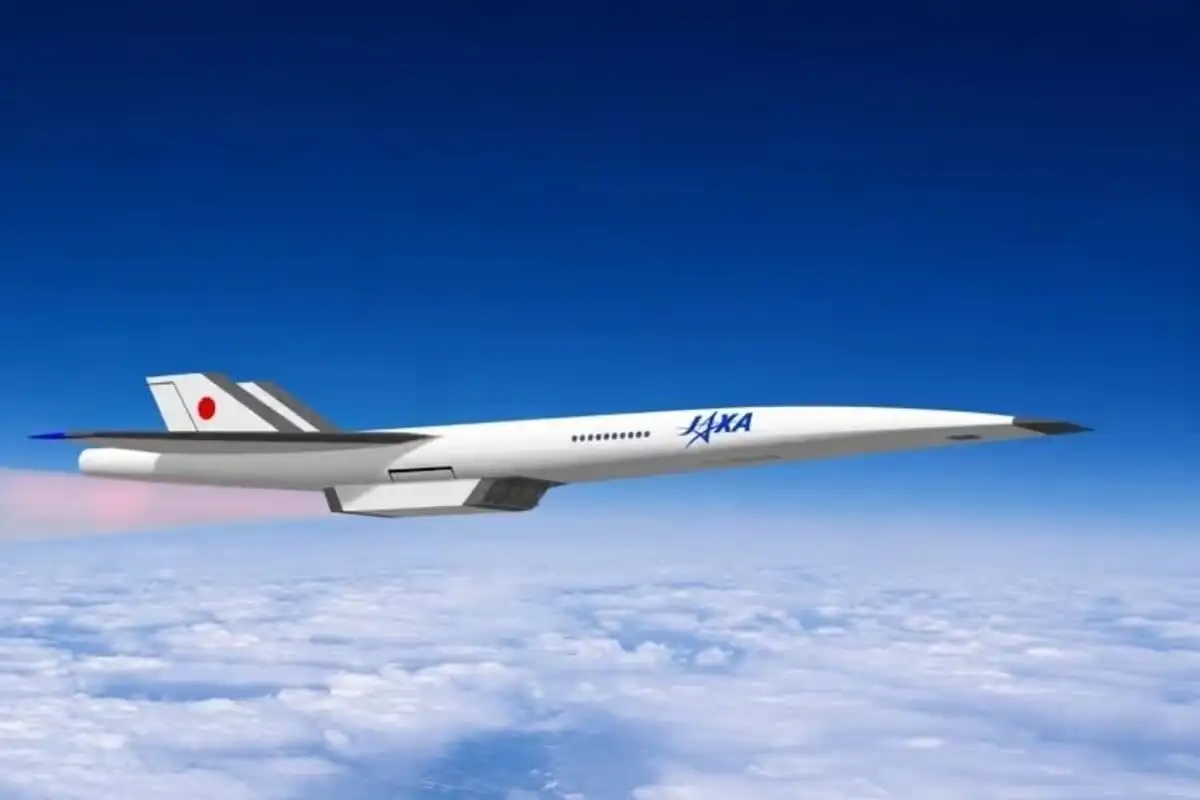
By comparison, the Concorde operated until 2003 and had a maximum speed of Mach 2, about 1,400 mph. If the Japanese project matures, flight times between Tokyo and the US could be reduced dramatically compared with today's commercial flights, which usually take around half a day.
When will we get to fly on it?
Despite the progress, the project is still in its early stages. According to Professor Hideki Taguchi of Tokyo University of Science, developing a conventional passenger plane takes about 10 years, while this project involves a two-stage process that includes both an experimental vehicle and a future passenger aircraft. As a result, the estimate is that the project will be completed in about 20 years.
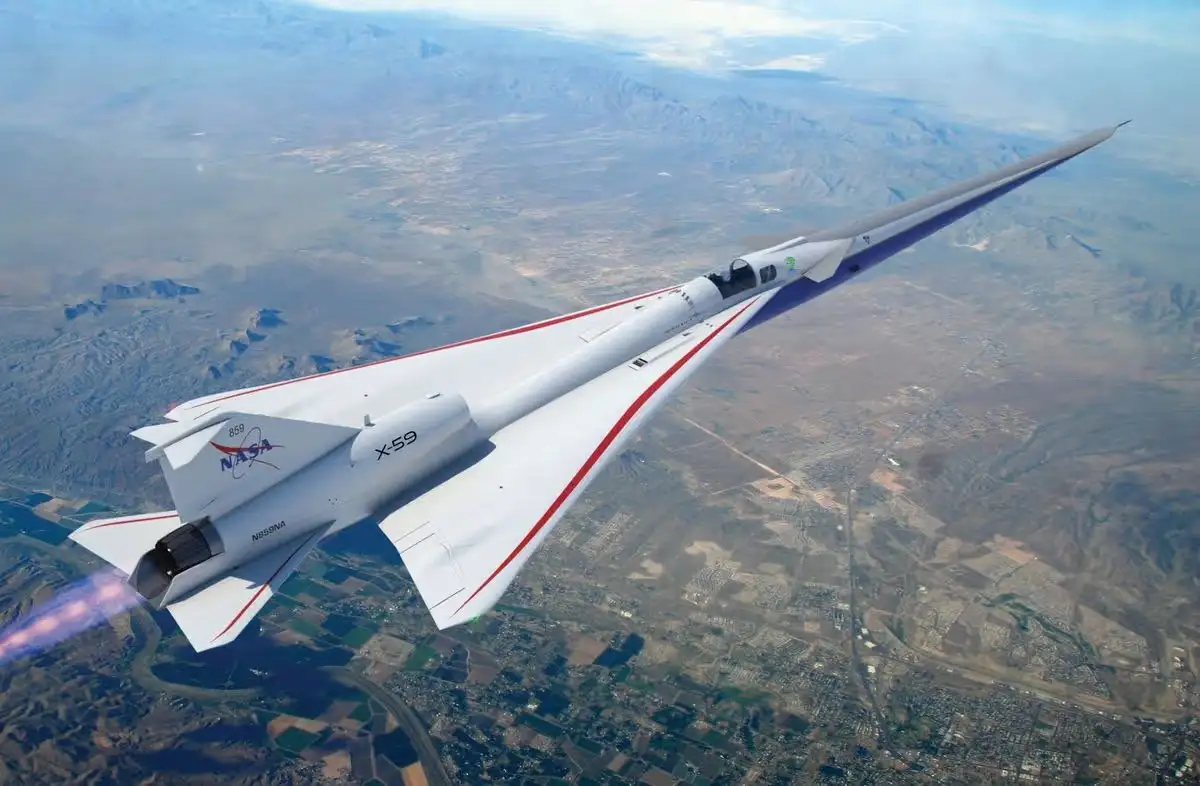
Professor Tetsuya Sato of Waseda University added that this was only a first step toward a real flight demonstration. At the same time, Japan is not alone in the field. NASA, with its experimental X-59 aircraft, and Boom Supersonic, with its XB-1 model, are also advancing similar developments as part of a global race to accelerate air travel.