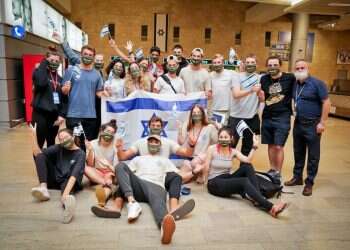
Making aliyah is an emotional roller coaster from the moment the decision is made to the moment wheels touch down on Israeli soil. Whether it fulfills a lifelong dream, follows love, or responds to a rapidly changing reality for Jews in the diaspora over the past three years, there is an undeniable halo around aliyah – of Zionism, excitement, and fulfillment. But in the same breath, aliyah has another side – a less glamorous one: adjustment.
A new beginning – as thrilling as it may be – always comes with challenges, and especially for new olim. From gaps in language and culture to understanding Israel's complex security situation, to the difficulty of building a community – a challenge many face in this day and age – local communities for immigrants have begun to take shape, offering support and a sense of belonging during the adjustment period. One of these initiatives is "Sabres," which brings together olim and native-born Israelis to foster long-term friendships and a sense of community – one that can meet the clear needs of new olim, but no less those of native-born Israelis as well.
"There are a lot of organizations whose goal is to help new olim in Israel. We're not trying to replace them," Shir Lever, one of the community's founders, emphasized. "But there is no organization in the country that's set out to build a strong and equal community. That's the first thing we say at the first meeting – we're not here to 'help' olim, no one gets paid. The goal is to bring together two strong groups who, under different circumstances, would never have met. Whether it's ego or shyness, people have a lot of barriers. So all we do is create a platform for communication."
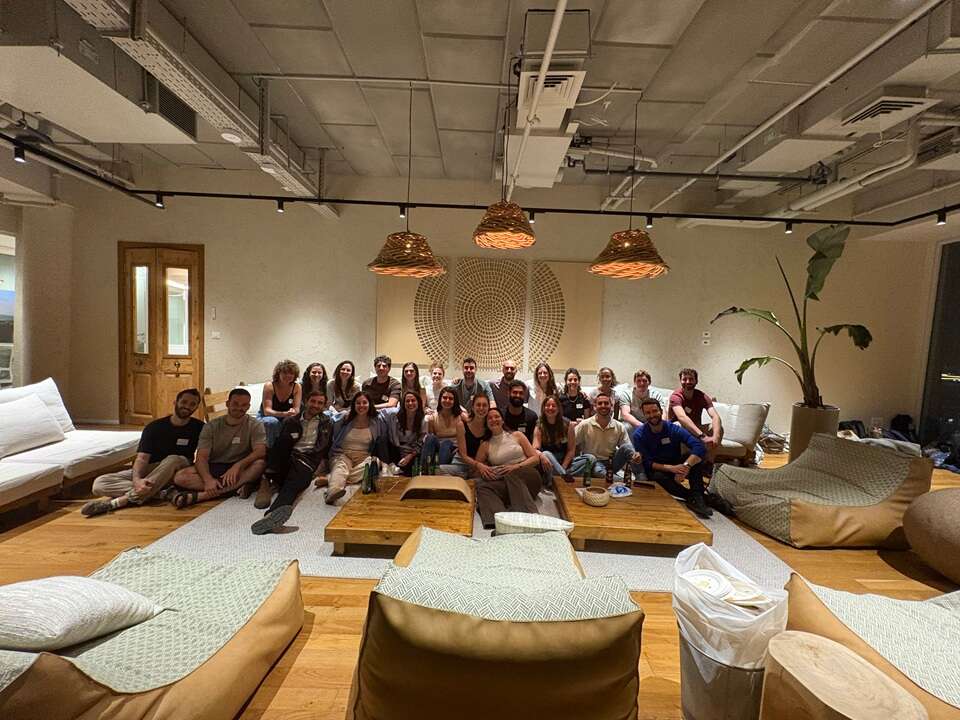
The "Sabres" community was founded within the "Rabin" project at Reichman University by a group of young students, and is now managed by Shir, Naama Novak Zohar, Naomi Rubin, and Rotem Turiski – a reservist in the IDF's 401st Brigade and a business administration and psychology student. "One was an immigrant from Australia, another was a guy who had lived in Singapore for a few years, and then there were sabras [native-born Israelis]. We basically realized that inside that room we had 'Sabres' – everyone comes from a different culture and a different place, we had something right in front of us that no one was paying attention to." After running a pilot cohort, the initiative formally launched under the Yahav - Educating for Zionism organization and is now preparing for its fourth cycle.
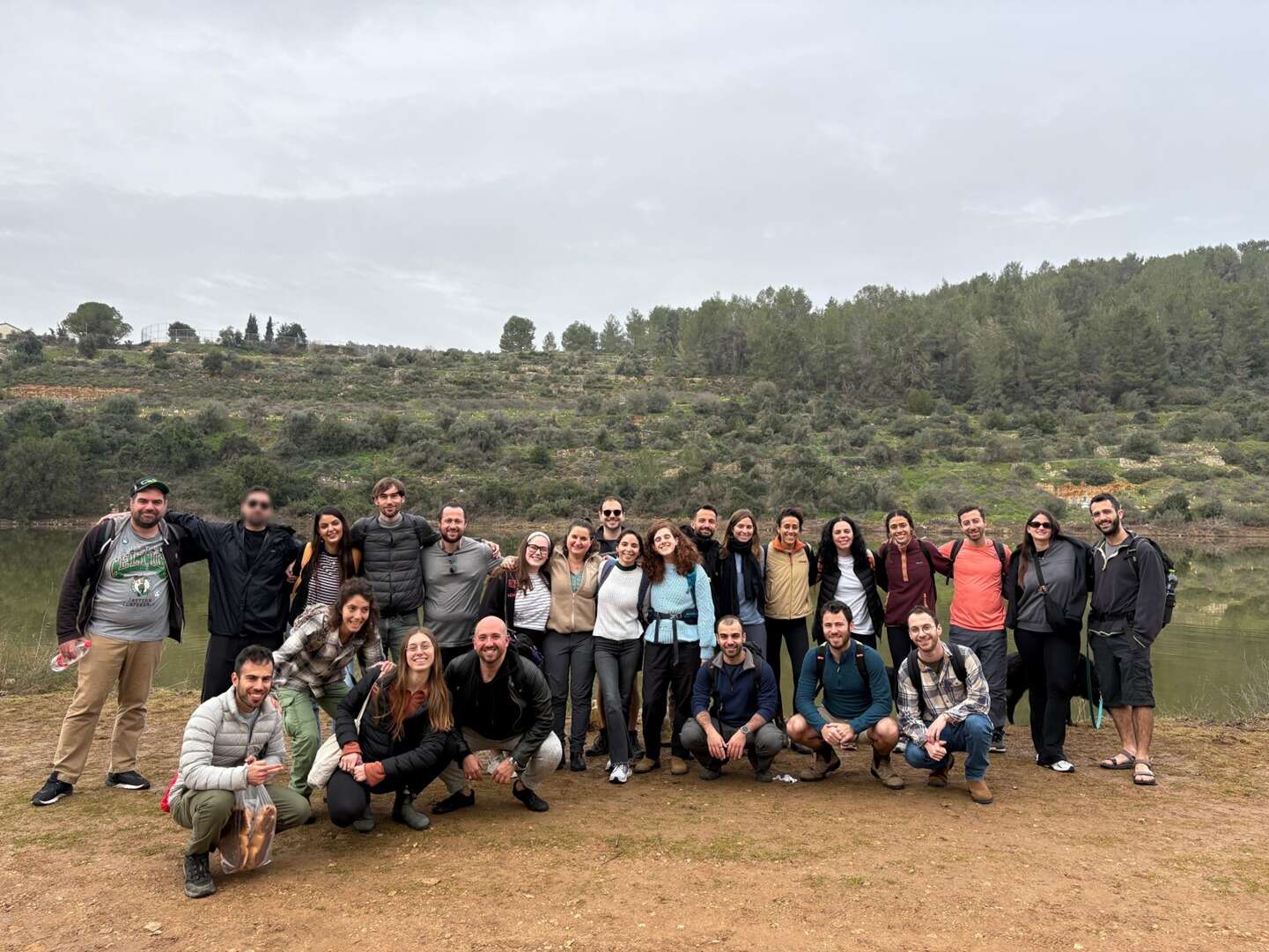
"We recruit groups of 30 members, half of them are olim, and half are sabras, for a round of seven meetings," Rotem explained. "Each meeting has a different theme – getting to know each other, a picnic, acro-yoga, a group hike, and more." Rotem shared that no fewer than 70 applicants – olim and Israelis alike – had registered for the upcoming cohort. Despite the strong interest, he noted there is a screening process. "We have one-on-one meetings with candidates. It's a very friendly conversation. The goal is to get a sense of who this person is and whether they're someone who wants to be part of a community, an active partner in the meetings and beyond."
Sabres targets young people between the ages of 23 and 33 living in the Gush Dan area. But according to Shir, the aspiration is to eventually establish Sabres communities for additional age groups and in other parts of the country. "I did the pilot last year and made real friends through it," Rotem said of his own experience in the community. "Two people discovered they were neighbors. Couples even came out of it," he added.
"One of the biggest problems for olim is loneliness, not having people to relate to," Daniel Matheson, 27, who made aliyah from South Africa, said. "Sabres helped me make friends and connections. It's been hard for me – I lived in a merkaz klita [immigrant absorption center] in Ra'anana, where there weren't a lot of people my age. I made friends with Israelis and olim thanks to Sabres. I liked that I was building relationships with people over time, in a very relaxed, low-pressure environment. After completing Sabres, I help the team with the next group."
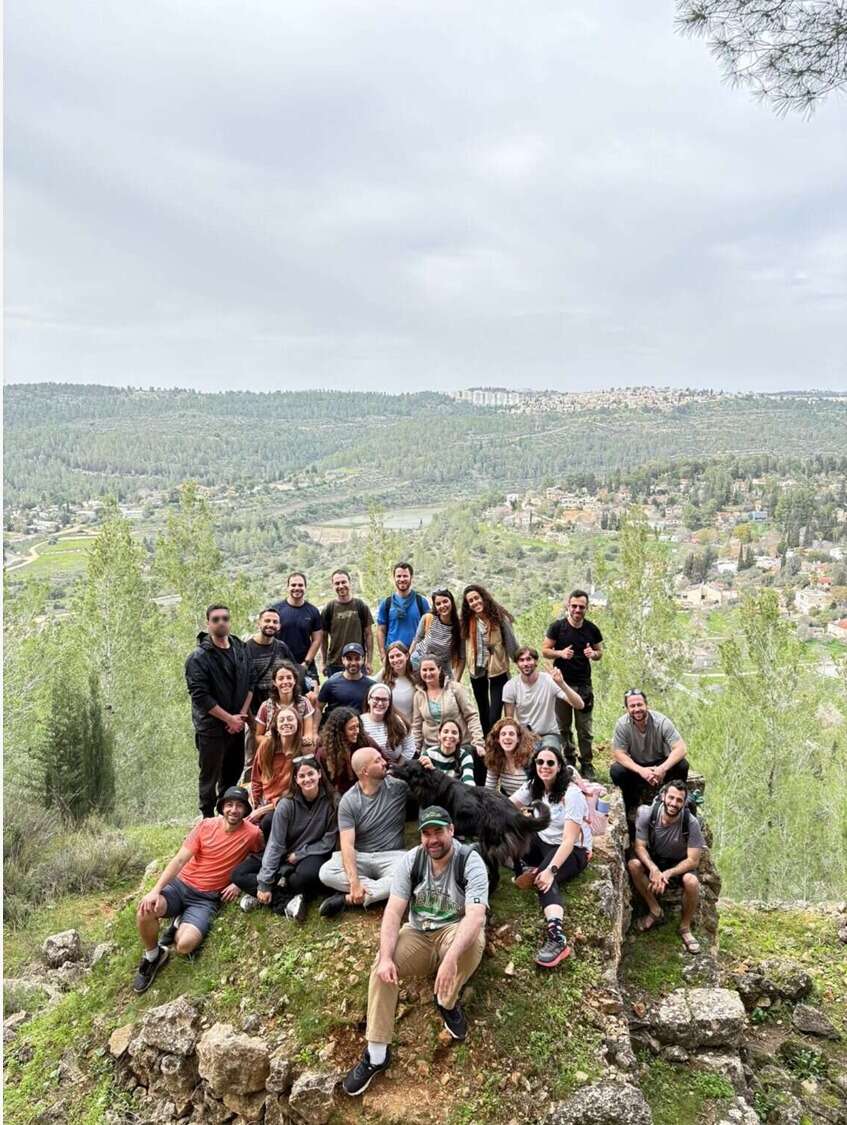
Rotem stressed that helping olim integrate into the country must be a priority for Israelis. "As an Israeli, it's easy for me to speak Hebrew. If I have an immigrant friend who doesn't understand what's being said around him, he faces a real challenge. It's not easy. Not all Israelis understand what it means to make aliyah, to leave your home behind. I don't think olim tend to isolate themselves – it's just more comfortable for them to be around other olim. It's hard for them to create what Sabres creates: the willingness to switch between Hebrew and English, to meet people halfway, and to be patient with the process. It's hard to meet new people. This is a generation of dating apps – but there are no apps for making friends," he explained.
"Moving to Israel from abroad is no small feat. Virtually every aspect of your life changes," Naomi Scheinman, 25, who made aliyah from the US about two years ago, said. "And because there are so many olim here, with more arriving every year, it's easy to stay within our own communities. To surround yourself with English-speaking friends, find the nearest American-style café, and build a life that feels familiar enough to be comfortable.
"But eventually, something starts to nag at you. You love this country. It's starting to feel like home. And yet, in so many ways, you're still an outsider looking in," she explained. "Sabres changed that for me. I met Israelis and formed real friendships. I went places I never would have found on my own and met people who never would have crossed my path. I really feel like a part of a special community," she said, adding, "Sabres gave me the confidence that one day I would no longer feel like an outsider."
"Jews are coming to Israel from every corner of the world, looking for a deeper future for themselves and their Jewish identity. Helping olim understand Israeli culture, connecting them to the people already rooted here, and building one shared community – it's not just good for olim, it's good for Israel."