Since the ceasefire in Lebanon took effect on April 16, 12 Israeli soldiers and civilians have been killed on the northern front. Eight of them were killed by Hezbollah explosive drones.
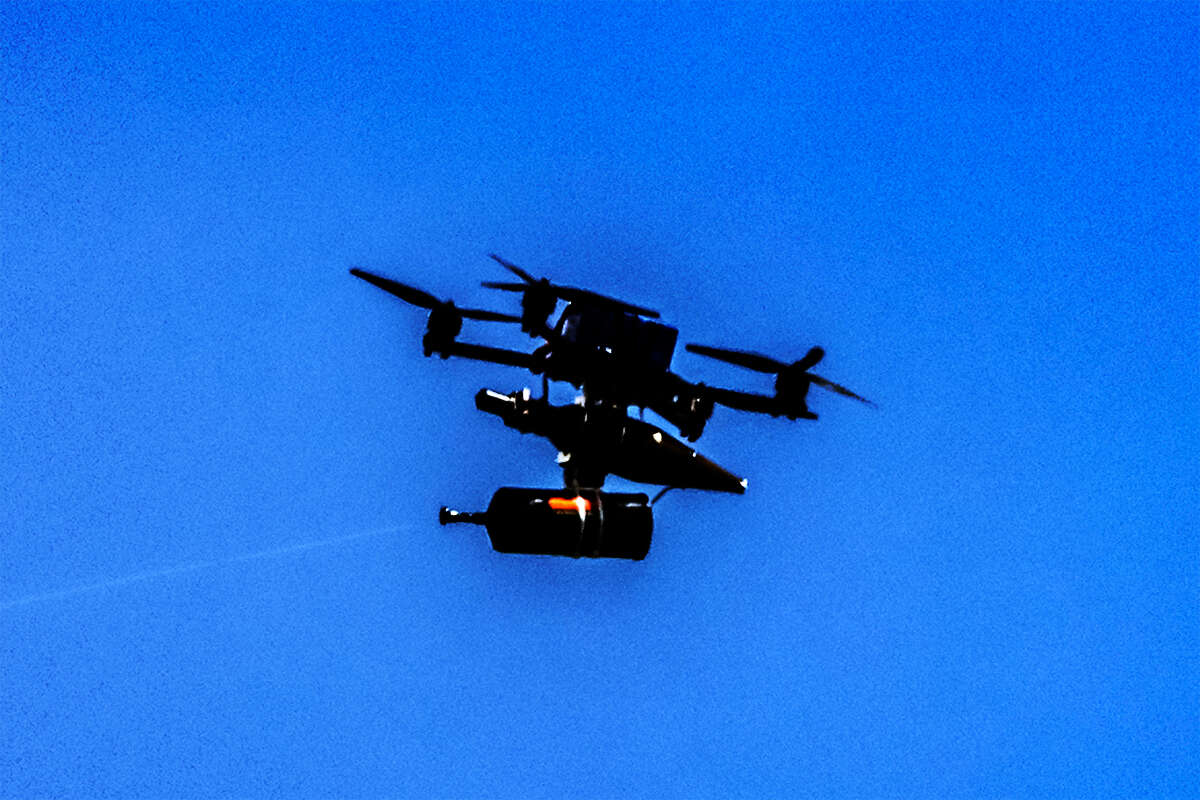
The cheap drones, operated by fiber-optic cable that makes them difficult to detect and intercept, have become the deadliest threat to IDF forces in southern Lebanon and to communities along the confrontation line.
Main points
- Eight of the 12 people killed on the Lebanon front since the April 16 ceasefire were killed by Hezbollah explosive drones. These are cheap drones operated by fiber-optic cable, making them almost impossible to detect and intercept.
- The two most recent fatalities, Nehorai Leizer and Rotem Yanai, were hit on their way to a protected space, even after alerts had been activated.
- The Israeli security establishment admits it knew the threat from the Russia-Ukraine war and did not prepare adequately. The existing solutions, including nets, miniature radars, interception sights and Smart Shooter bullets, do not provide a hermetic response.
- IDF Chief of Staff Lt. Gen. Eyal Zamir made clear: "There is no sterile battlefield. We will overcome this threat as well," but added that Israel needed "to exact a painful price from the enemy at the front and in depth."
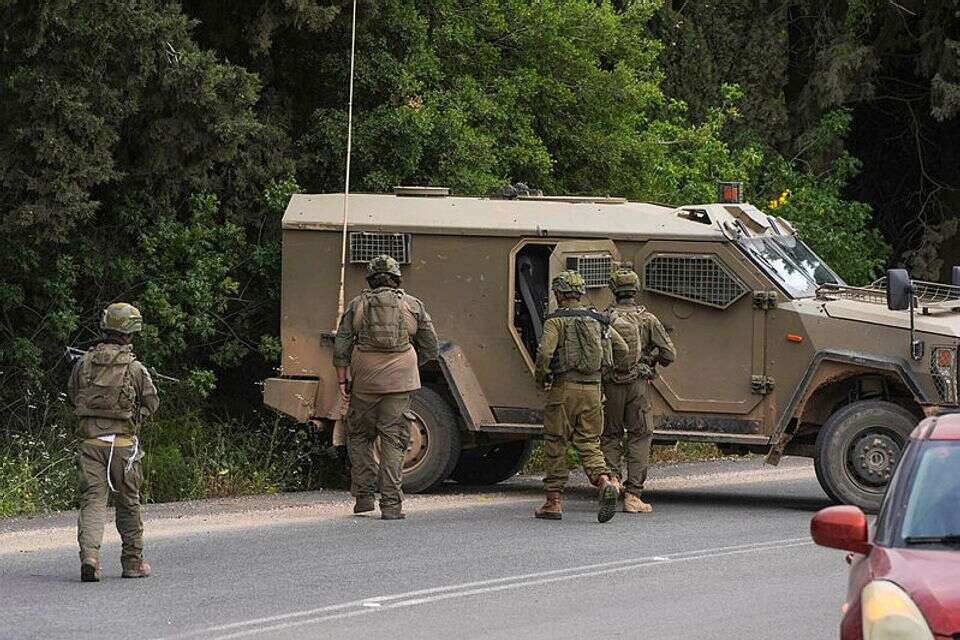
Despite accelerated efforts that include the deployment of tens of thousands of square meters of wire netting, trials with fragmentation ammunition and dedicated interception sights, the security establishment has yet to provide a comprehensive response to the threat. Senior military officials admit the solution is far from perfect. On the ground, troops continue to be hit almost every week, and senior IDF officials warn that without a policy change and expanded freedom of action, the price will continue to rise.
The drones' axis of death
The eight fatalities from explosive drones since the ceasefire tell the story of the threat in the clearest possible way.
Sgt. Idan Fuchs, 19, an Armored Corps soldier in the 77th Battalion, was killed on April 26 when a drone struck his force near the village of Taybeh in southern Lebanon. Six other soldiers were wounded in the incident.
Two days later, on April 28, Amer Hujeirat, 44, a Defense Ministry contractor, was killed when a drone scored a direct hit on the engineering excavator he was operating in the village of Aitaroun. His 19-year-old son, who was working alongside him, was wounded.
On April 30, Sgt. Liam Ben Hamo, 19, a soldier in the Golani Brigade's 13th Battalion, was killed when a drone hit his force in an open area near the village of Qantara.
On May 10, Master Sgt. Alexander Glovanyov, 47, a reservist who volunteered to serve, fell in action. The drone hit the tank transporter he was driving at an outpost inside Israeli territory near the border.
On May 16, Capt. Maoz Israel Rekanti, 24, a platoon commander in Golani's 12th Battalion, was killed by a drone strike in southern Lebanon.
On May 22, Staff Sgt. Noam Hamburger, 23, a technology and maintenance soldier in the 401st Brigade, was killed when a drone hit a force at the Biranit outpost, inside Israeli territory between Kibbutz Sasa and Moshav Netua.
Two days later, on May 24, Sgt. Nehoray Leizer, 19, a Combat Engineering Corps soldier in the 601st Battalion, was killed when he was hit by drone shrapnel in the village of Debel in the Bint Jbeil area. He was standing outside an armored personnel carrier on his way to a protected space.
Yesterday, May 27, Sgt. Rotem Yanai, 20, a welfare and personnel noncommissioned officer in the Rotem Battalion of the Givati Brigade, was killed when two explosive drones struck the Shomera area. She, too, was hit on her way to a protected space after alerts had been activated.
Just three days ago, Prime Minister Benjamin Netanyahu posted a short video on social media in which he addressed the drone threat directly. "We are dealing with it, and we will solve it," he said.
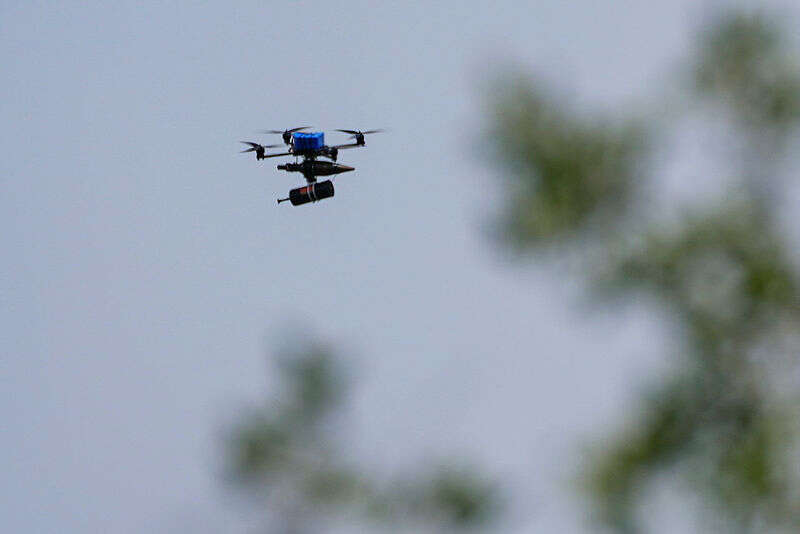
The security establishment has acknowledged that it knew the threat from the Russia-Ukraine war but did not prepare adequately. The central problem lies in fiber-optic drones, drones connected to a thin, almost invisible cable. Because they do not transmit signals, they are extremely difficult to detect and intercept. The cable can reach many kilometers from the drone operator.
The existing solutions: Too little, too late
The IDF's response to the drone threat includes detection, interception and passive defense solutions that, as of now, have failed to prevent soldiers from being hit along the Lebanon border.
Detection: A broad deployment of small tactical radars on tripods near forces, intended to provide alerts and distinguish drones from birds, although so far they have suffered from many false alarms. In addition, TSG is developing a comprehensive system based on the integration of various sensors, which is expected to be presented in the coming weeks.
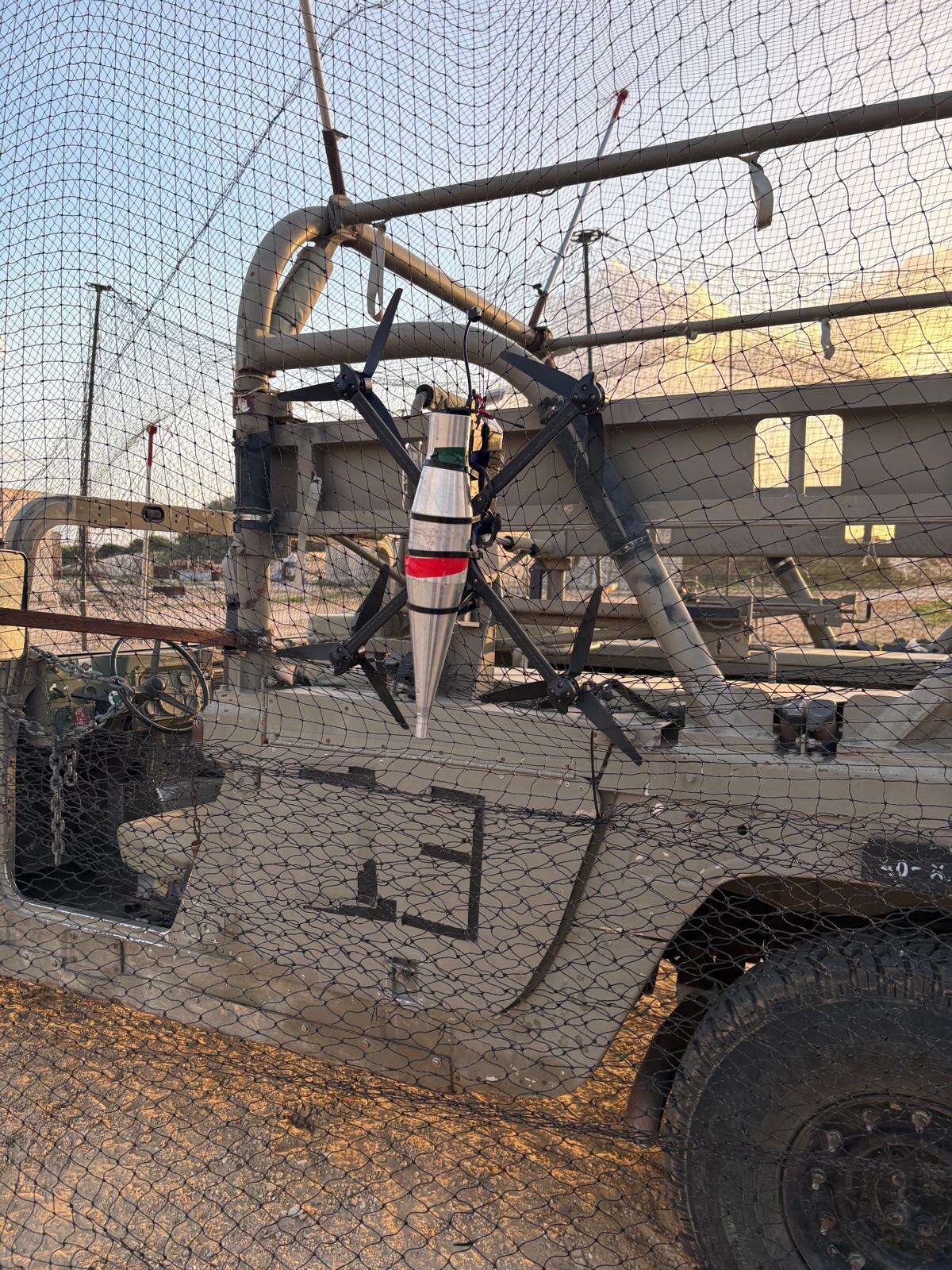
Interception: Smart Shooter bullets and the "Pagion" sight mounted on an M4 rifle, which fires bullets at the proper moment after the weapon is aimed at the drone. But this is not a hermetic solution. At the same time, interceptor drones are being developed that carry 5 x 5 meter nets, which are deployed toward hostile drones and neutralize them without a warhead. This has an advantage in urban areas. The Defense Ministry estimates the interceptor drones will provide an effective response within several months.
Passive defense: Improvised nets spread over vehicles and outposts.
Operational action: The preferred option is to destroy the drones in warehouses or eliminate the operators before launch, but action is limited because of political-level restrictions north of the yellow line.
"We will overcome this threat"
On Wednesday, at a ceremony marking the arrival of a refueling aircraft at Nevatim Air Base, IDF Chief of Staff Lt. Gen. Eyal Zamir addressed the IDF's activity along the Lebanon border and the Hezbollah drone threat.
Zamir described the mission as "methodical in every dimension, from the air and from the ground, and carried out responsibly against a battered and wounded enemy."
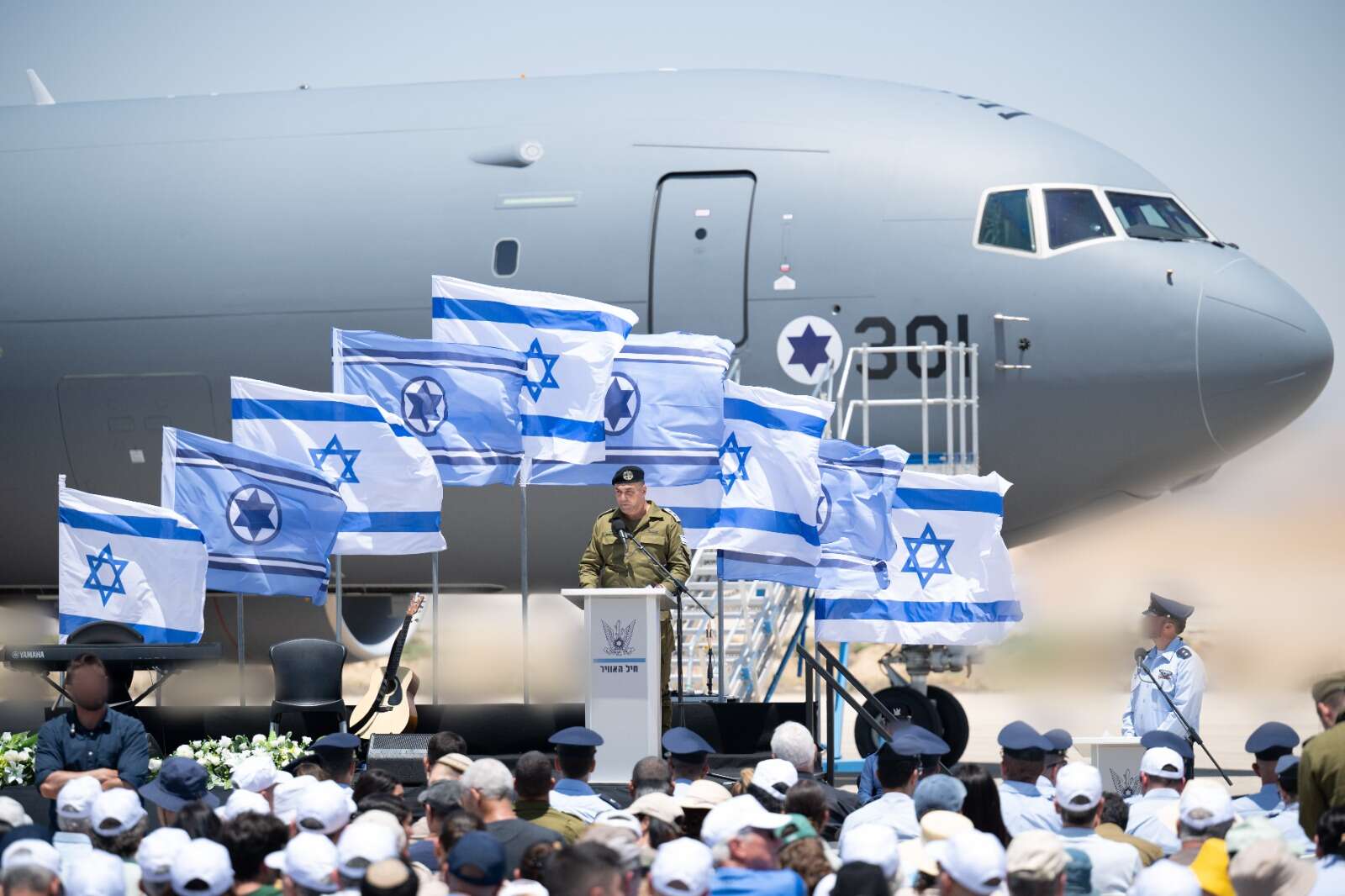
Regarding the drone threat, he made clear: "There is no sterile battlefield. We will overcome this threat as well, using a range of tools and capabilities, while needing to persist, expand and exact a painful price from the enemy at the front and in depth."
He concluded: "We are not containing, we are not deterred, we are acting boldly to fortify the security of the State of Israel."