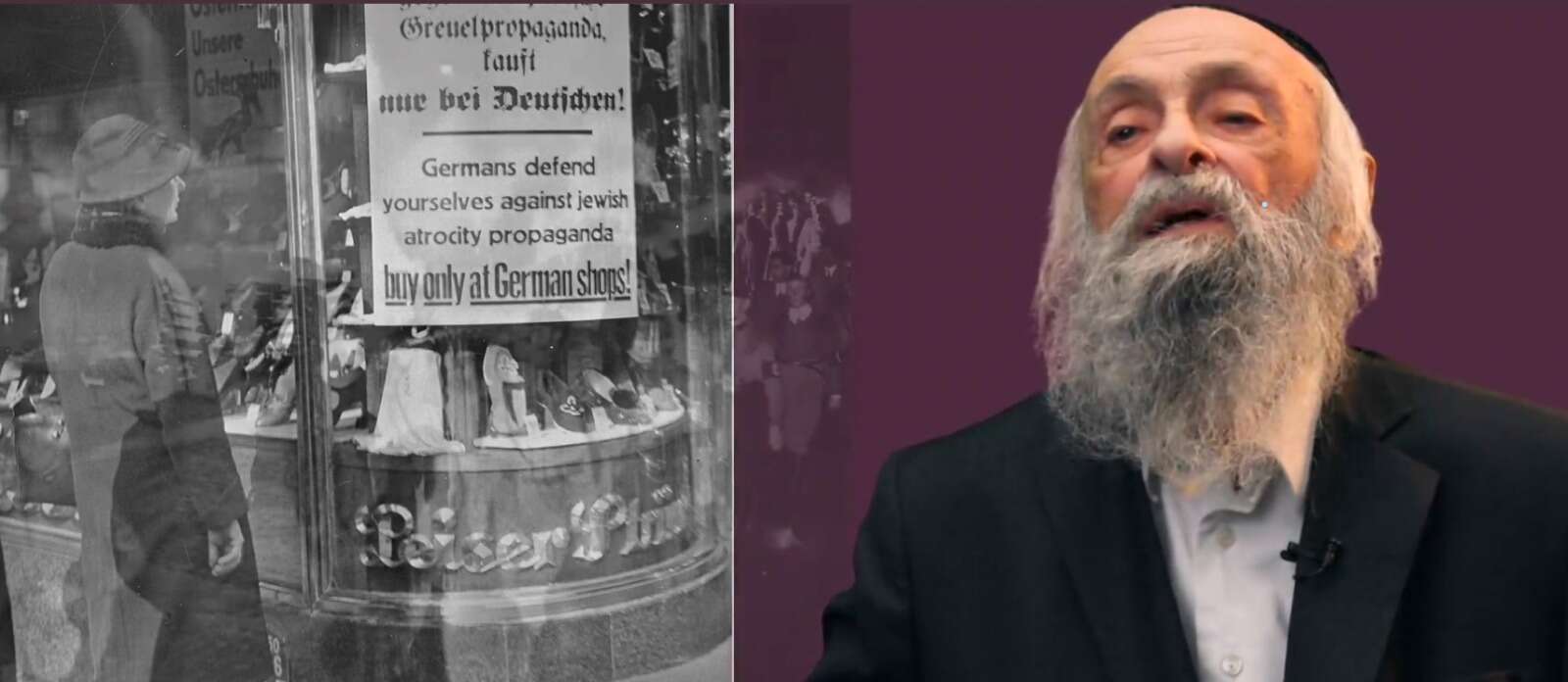
A mixed-reality experience built around the testimony of 98-year-old Holocaust survivor Benno Kern was unveiled this week by the Conference on Jewish Material Claims Against Germany. Titled "Benno's Light," the project lets users walk through Kern's life story using a VR headset or a standard computer, and represents the latest push by the Claims Conference to bring Holocaust education to future generations through immersive tools.
According to the Claims Conference, the experience traces Kern's path from Anschluss-era Vienna to Auschwitz and ultimately to his liberation in Buchenwald. Conference President Gideon Taylor framed the technological choice as a deliberate response to the fading of living memory. "Mixed reality is the technology of now and of the future. And it is precisely why it is so crucial that we tap into advanced technology to help future generations understand the Holocaust. We cannot let stories like Benno's fade into the darkness," Taylor said.
Produced in partnership with the Austrian government, the project was developed with immersive technology firm makemepulse, which animated Kern's words into a sensitive and evocative educational testimony.
Austrian Federal Chancellor Christian Stocker tied the launch to a broader national obligation. "Holocaust remembrance is not only an obligation to the past, it is our mandate for the future. A vibrant and forward-looking culture of remembrance requires us to meet current and future generations where they are. Projects like Benno's Light demonstrate how cutting-edge technology can preserve the voices of survivors in ways that are deeply personal, accessible, and meaningful for young audiences today and tomorrow. Austria recognizes its historical responsibility to ensure that the truth of the Shoah remains alive through innovative educational tools that strengthen awareness, deepen understanding, and sharpen our vigilance against antisemitism, hatred, and intolerance in all forms," Stocker said.
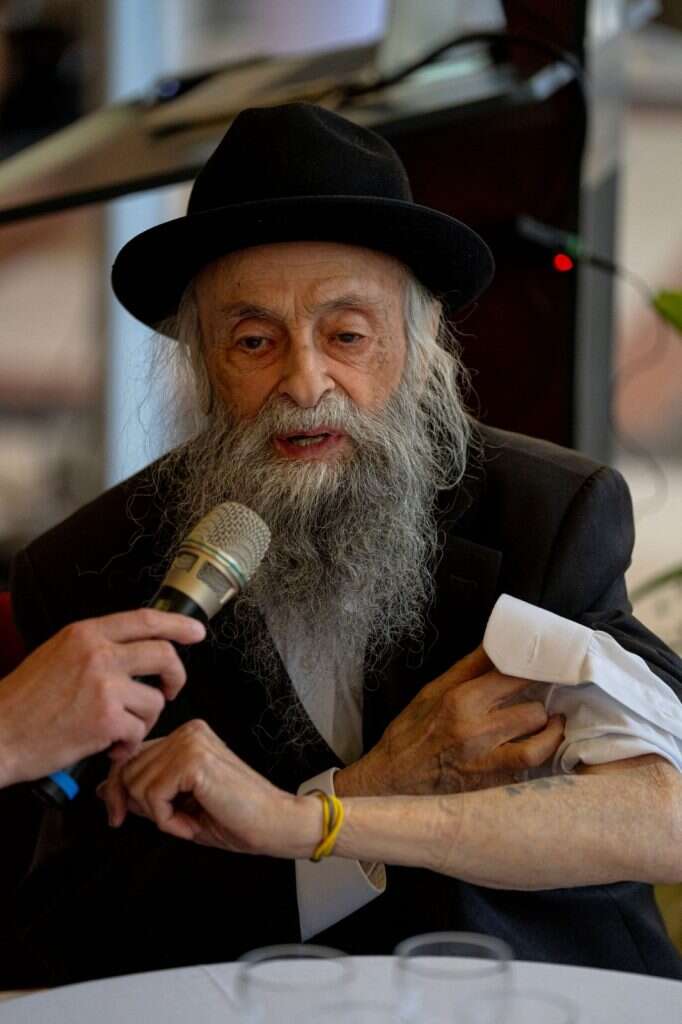
Born in Vienna in 1927, Kern recalls a childhood city defined by music and intellectual life but also scarred by pogroms. His family eventually fled the Nazis through Czechoslovakia, Belgium, and Paris, where Kern and his parents were captured and deported to Auschwitz.
"I'll never forget my mother's words: 'You have the opportunity to stay alive. The decision is yours.' I was the only member of my family to survive the Holocaust. This project has special meaning to me as I carried my family's story for more than 80 years with uncertainty as to whether it would be remembered. I ask future generations to hear my words and carry them forward in your hearts. Let them light your way. And let them remind you what it means to carry compassion, even in the darkest of times," Kern said.
Alexander Pröll, State Secretary for the Austrian Federal Chancellery, addressed the wider educational stakes. "Holocaust education must continue to evolve to remain meaningful for future generations. Innovative projects, such as Benno's Light, show how technology can strengthen remembrance by bringing survivor testimony into new educational and cultural spaces around the world. Remembering the Shoah demands that we actively counter antisemitism and hatred wherever they surface, reinforcing our shared responsibility to defend human dignity, historical truth, and democratic values," Pröll said.
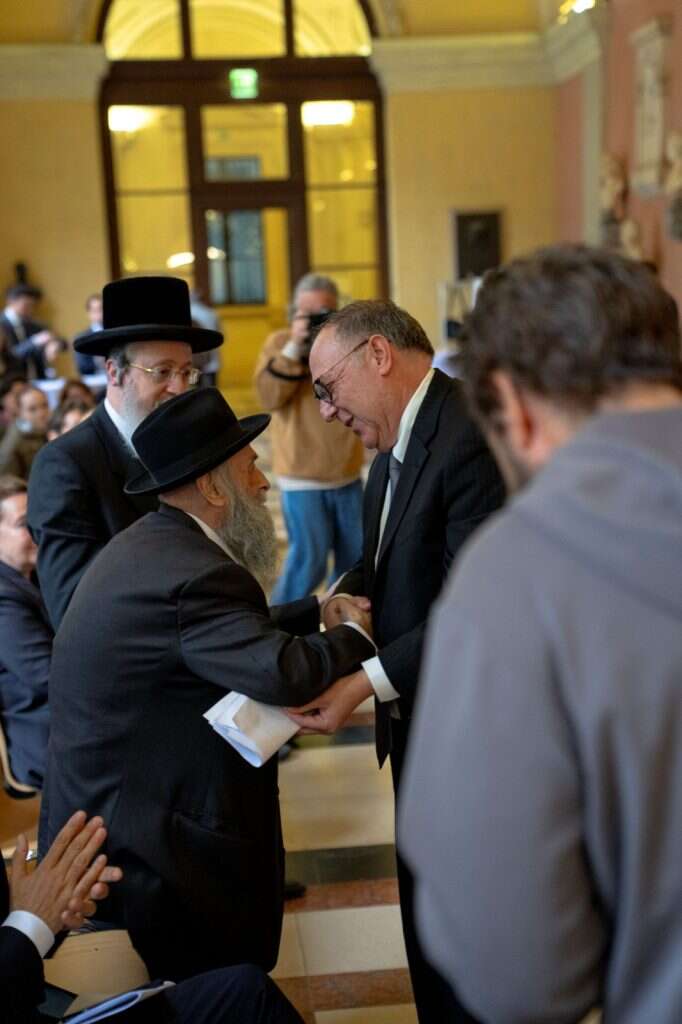
There is historical weight to the chosen launch site at the University of Vienna. After Vienna's medieval synagogue was destroyed and its Jews murdered or expelled in 1421, stones from that synagogue were repurposed for the earliest buildings of what later became the university. More than five centuries later, the same institution now serves as a venue for confronting that legacy through survivor testimony and Holocaust education.
Greg Schneider, Executive Vice President of the Claims Conference, connected Kern's story directly to today's students. "New technology allows us to engage younger generations, which is critical to ensure the lessons of the Shoah are never forgotten. Benno was the same age as today's students when he was torn from his home by the Nazis and forced onto a deportation train to Auschwitz. XR technology allows Benno to once again be a 15-year-old, showing today's 15-year-olds the result of unchecked hatred," Schneider said.
Real-life footage, photographs, music, and additional audio spanning the Anschluss through Auschwitz are woven into the hand-drawn world of Kern's story, alongside extensively researched historical context and artwork created by makemepulse. Plans call for museum and film festival displays, with accompanying educational materials still in development.