The ceasefire deal between Israel and Hezbollah, finalized on Wednesday, is drawing sharp criticism toward US President Donald Trump, who is pursuing a deal with Tehran, and Israeli Prime Minister Benjamin Netanyahu from residents along the northern border, according to Reuters.
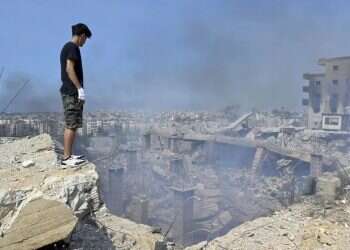
Trump announced Monday that Israel and Hezbollah had agreed to a de-escalation – an announcement that came just hours after Netanyahu had ordered fresh strikes on Beirut's southern suburbs. Though the agreement was finalized on Wednesday, a Hezbollah official told AFP the Iran-backed terror group rejects the ceasefire announced.
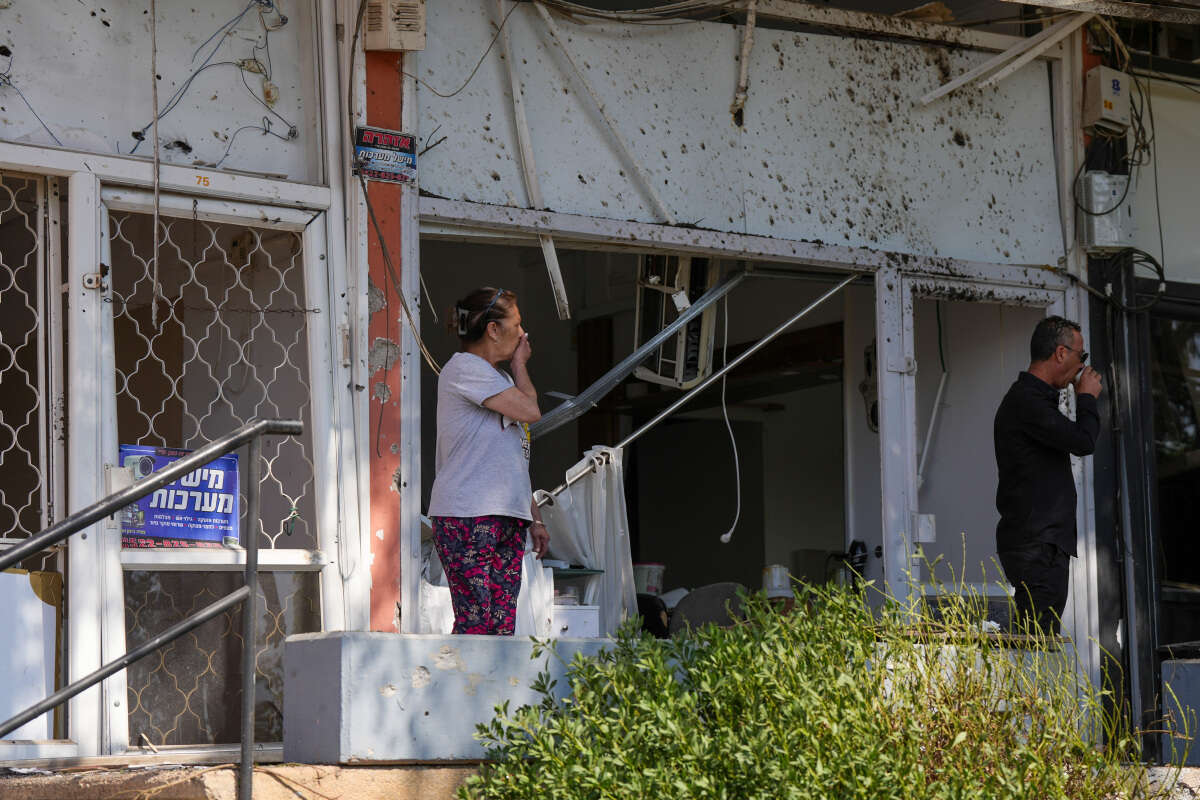
In Kiryat Shmona – Israel's northernmost city, sitting roughly three miles from the Lebanese border – residents have only seconds to reach shelter once sirens begin sounding, a near-daily warning of incoming missile salvos or Hezbollah attack drones.
Auto repair shop owner Eliav Reichbach had just sat down for an interview with Reuters on Tuesday when an air raid siren began blaring, sending him and his employees running to the nearest shelter. Gazing skyward after the alert ended, Reichbach said: "Unbelievable. Trump decided there's a ceasefire and there are sirens."
Video: Interview with Kiryat Shmona resident Eliav Reichbach. Credit: Reuters
Backing for Netanyahu has cratered across the electorally pivotal north, where Hezbollah rocket fire has fallen most intensely, according to a new survey obtained by Reuters. Whether or not it endures, the ceasefire deal reached Wednesday night between Israel and Lebanon may fall short of what voters in the border belt are seeking.
Conducted in May by Agam Labs at the Hebrew University of Jerusalem and shared exclusively with Reuters, the survey found northern residents deserting Netanyahu's Likud at a sharper pace than the rest of the electorate, while issuing harsher judgments on his conduct of the Lebanon war. The dynamic captured by the poll places Netanyahu between competing pressures: domestic voters who want escalation, and the diplomatic agenda of his allies in Washington. Iran is demanding a halt to Israeli military operations as a precondition for any agreement with the US.
Hezbollah opened fire on Israel after the Hamas-led attack of October 7, 2023, prompting an intense Israeli campaign that eventually compelled Lebanon to accept a ceasefire. The Iran-backed group resumed its attacks after Israel and the United States launched a war on Iran on February 28, leading Israel to reignite its offensive and capture large portions of southern Lebanon.