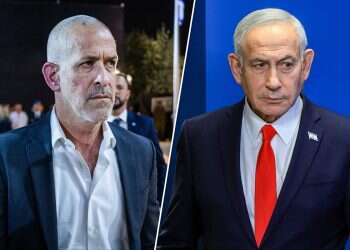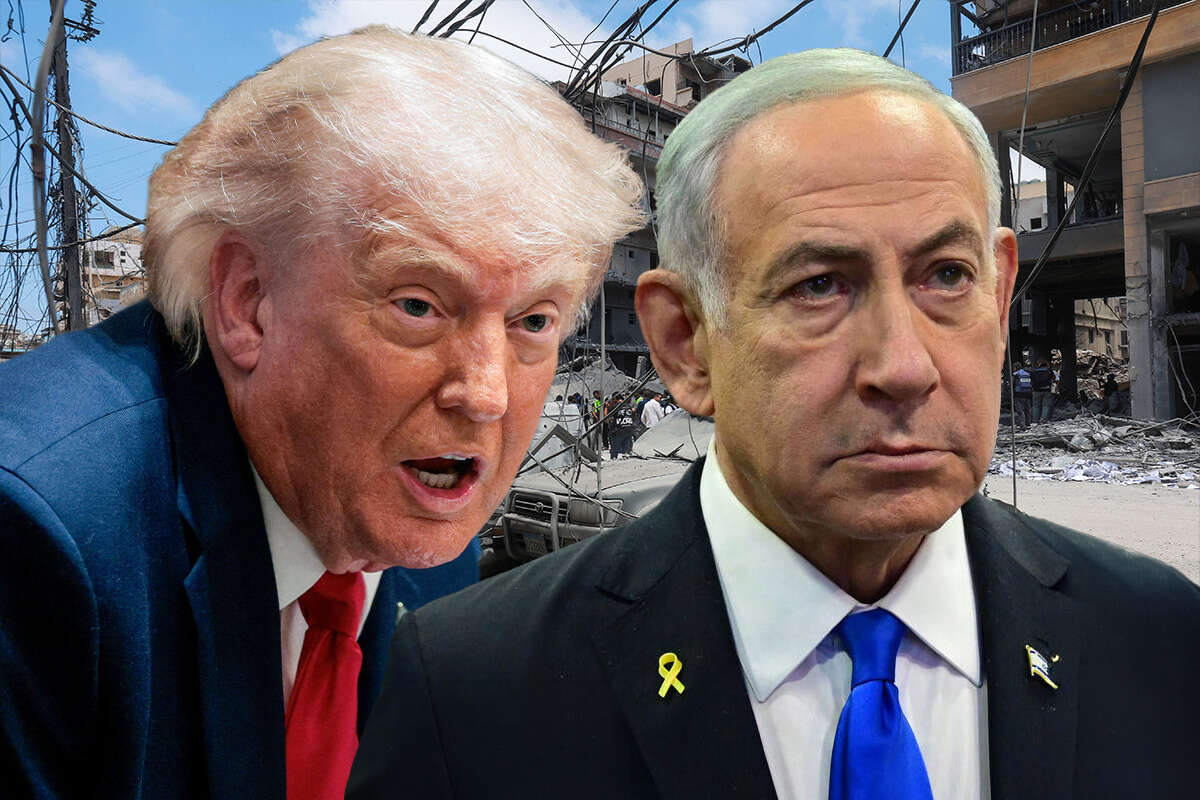
Members of Israel's small cabinet who convened Wednesday night learned only after the meeting ended that the US had announced a ceasefire between Israel and Lebanon. But behind the scenes, according to sources familiar with the matter who spoke with Israel Hayom, it emerged that during the discussion, Israel Defense Forces Chief of Staff Lt. Gen. Eyal Zamir presented a plan to expand the fighting and the ground maneuver in Lebanon, but Prime Minister Benjamin Netanyahu voiced reservations.
According to the sources, most ministers, including Defense Minister Israel Katz, supported the IDF proposal. Netanyahu's reservations, however, signaled the direction in which he sought to lead the discussion. Although the ceasefire was not discussed in detail at the meeting, the ministers understood that the prime minister preferred a diplomatic move over an expansion of the fighting.
According to the details of the understandings published so far, Israel will retain operational freedom of action against threats from Hezbollah, including the possibility of strikes in Beirut and Dahiyeh in the event of fire toward Israel or other violations of the agreement.
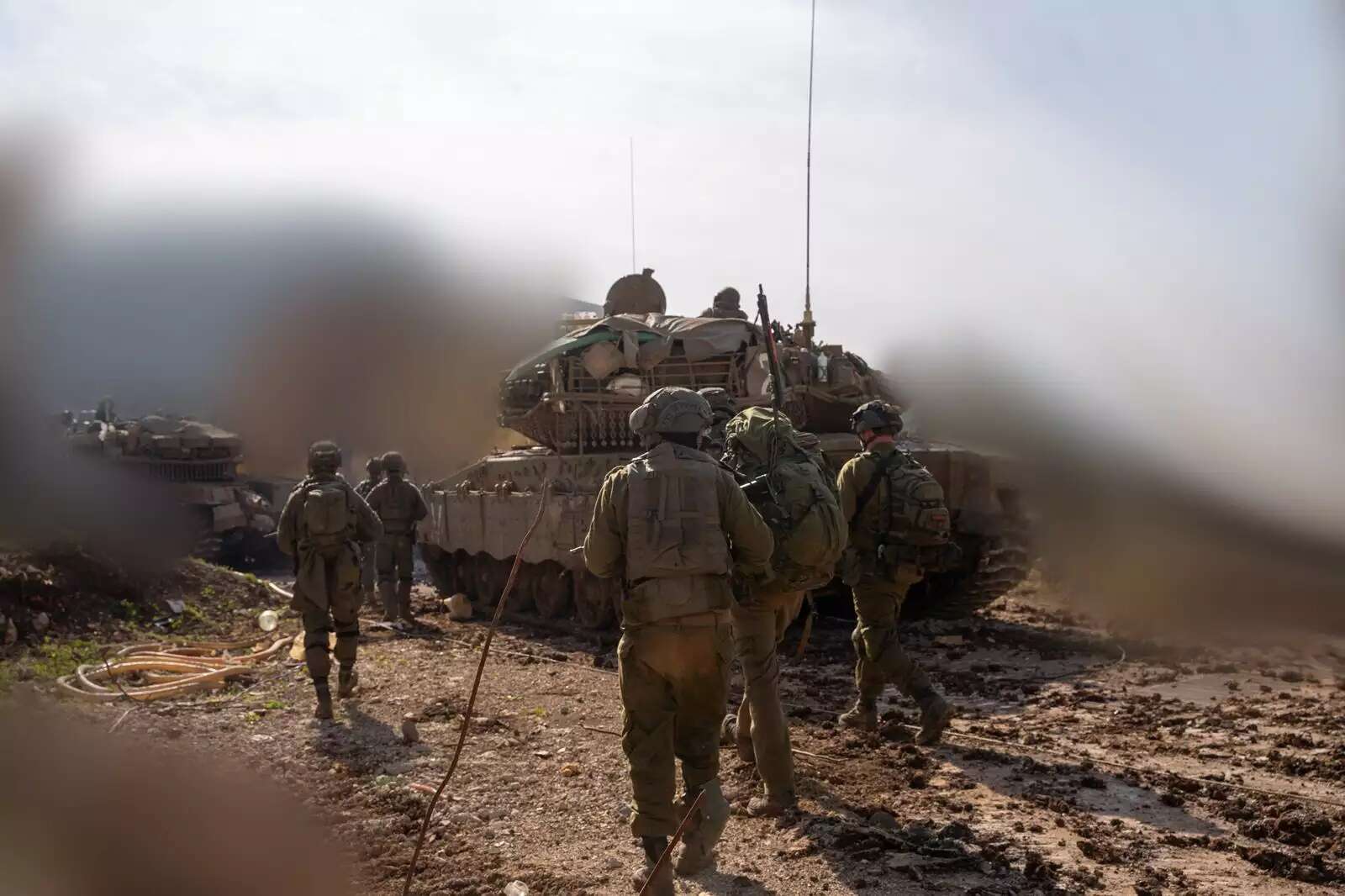
Under the understandings, the Lebanese army is expected to deploy in the area between the Litani River and the border and remove Hezbollah from it. At the same time, in the first stage, the IDF will remain in the security zone inside Lebanese territory. Only if the Lebanese army meets its commitments and establishes effective control in the area will discussions begin on an Israeli withdrawal and redeployment along the international border.
Israel acknowledges that it is still too early to assess how matters will develop, but believes that if Hezbollah refuses to implement the understandings, the responsibility will fall on the organization and not on Israel. "Instead of Israel being portrayed as the rejectionist, the world will once again see who is obstructing the arrangement," Israeli officials said.