Monday Jun 8, 2026
NEWSLETTER
www.israelhayom.com
  • Home
  • News
    • Israel
    • Israel at War
    • Middle East
    • United States
  • Opinions
  • Jewish World
    • Archaeology
    • Antisemitism
  • Lifestyle
    • Food
    • Travel
    • Fashion
    • Culture
  • Magazine
    • Feature
    • Analysis
    • Explainer
  • In Memoriam
www.israelhayom.com
  • Home
  • News
    • Israel
    • Israel at War
    • Middle East
    • United States
  • Opinions
  • Jewish World
    • Archaeology
    • Antisemitism
  • Lifestyle
    • Food
    • Travel
    • Fashion
    • Culture
  • Magazine
    • Feature
    • Analysis
    • Explainer
  • In Memoriam
www.israelhayom.com
Home News Israel at War

Israel admits it did not expect Iran to follow through on threats

Israel may have "fired last" in the current round, but it did so in a limited manner, without US support and under Iranian dictates. Alongside the deep frustration, a question is also emerging: Will Israel continue striking in Dahiyeh, or will it "absorb" fire at its territory to prevent an Iranian attack?

by  Lilach Shoval
Published on  06-08-2026 18:54
Last modified: 06-08-2026 18:54
Residents in northern Israel are trapped in nightmarish 'Operation Ceasefire'

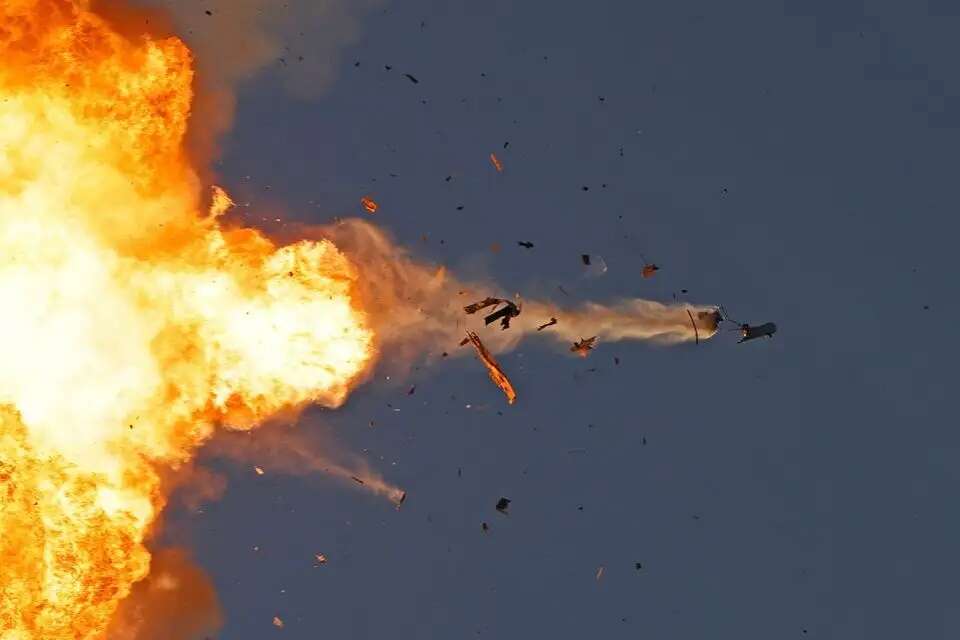
This is what a “ceasefire” looks like: A drone being intercepted over northern Israel. Photo: AFP

Share on FacebookShare on Twitter

Following reports from diplomatic officials, and after posts by US President Donald Trump, the instruction given to the Israel Defense Forces as of now is to hold fire and not continue strikes in Iran. Security officials say the last strike was carried out by Israel, at around 1 p.m., when IDF aircraft attacked air defense components in Iran.

But the fact that Israel was the last to fire cannot conceal the fact that this time the initiative was not on the Israeli side, and that Israel finds itself in a particularly problematic situation: Iran is managing to create a highly troubling equation, under which a strike in Beirut means launches from Iran toward Israel.

In a conversation with Israel Hayom, Israeli security officials admitted that before the decision to strike in Dahiyeh, the possibility that Iran would respond by firing at Israel was not seen as the leading or most likely scenario. In fact, even after the Iranians threatened in the afternoon hours that they would respond with fire toward Israel, some in Israel believed they would not follow through on their threats, as they had failed to act on similar threats in the past.

אזרחים במקלט בתל אביב , יהושע יוסף
Civilians in a shelter in Tel Aviv. Photo: Yehoshua Yose

Instead of "going wild," Israel bowed to the Iranian dictate

A security official admitted that the understanding that the Iranians were about to fire at Israel took shape only very shortly before the actual launch. At that point, a quick decision was made to alert the Israeli public through IDF Spokesperson's Unit announcements. Israel had believed the warning model would allow for a longer period of preparation, but because the Iranian system was already on high alert, raising the launchers and firing the missiles became a matter of minutes. And so, just minutes after the IDF Spokesperson's Unit issued its messages to the public, Iran launched 11 ballistic missiles at the State of Israel. All were intercepted.

At 4:10 a.m. local time, Israel responded by striking nine air defense systems in western and central Iran. Shortly before 6 a.m., the Houthis launched two ballistic missiles at Israel, one of which was intercepted, while the other did not reach Israel. In the morning hours, the Iranians launched more than 10 missiles, which were intercepted by Israeli and US air defense systems. Israel, for its part, also struck a petrochemical plant that produces materials for ballistic missiles.
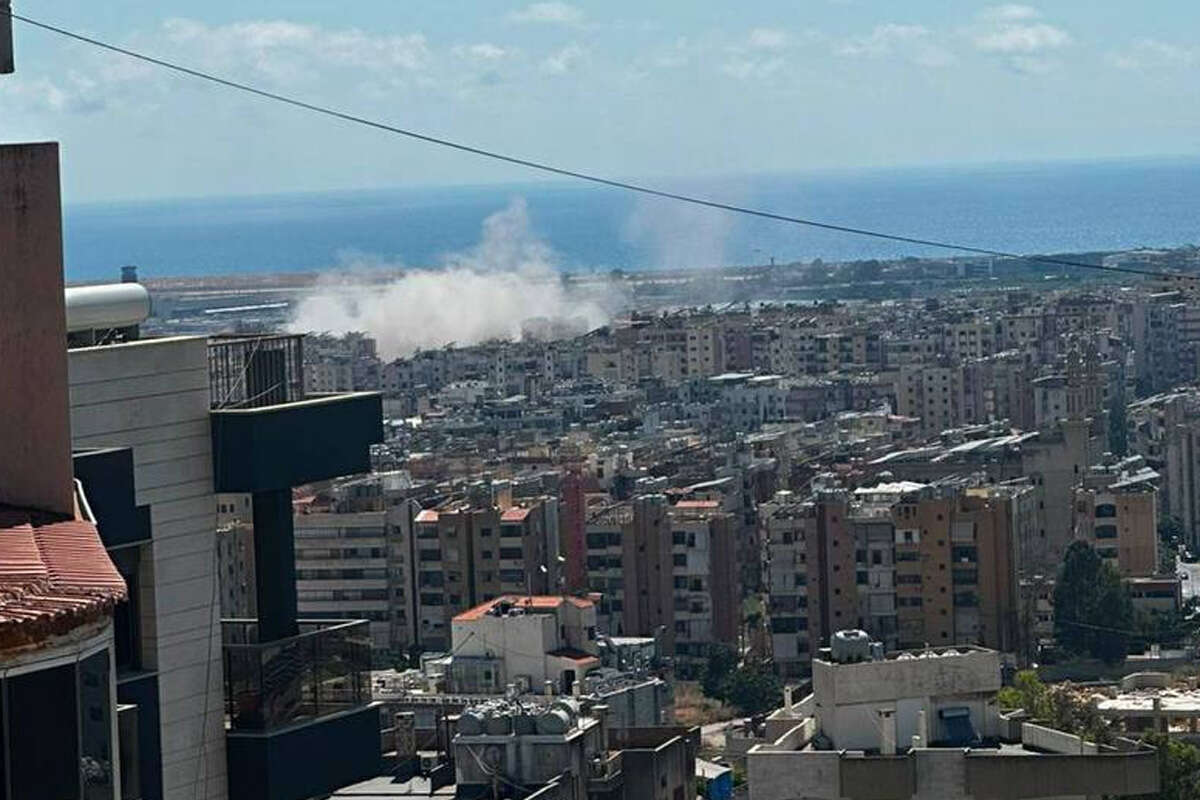
Strikes in Dahiyeh in Beirut. Photo: Social media

What is clear is that the Israeli strikes were limited and were carried out this time without the Americans. The moment Iran chose to hold fire, it received US backing. Israel was then also forced to announce a halt to its strikes in Iran. Instead of "going wild" and responding disproportionately to the blatant violation of the two-month ceasefire with Iran, Israel chose, or was compelled, to bow to the American dictate.

Israel is expressing deep frustration over the situation that has emerged, and over the fact that Iran appears to have succeeded in creating an equation Israel cannot live with: an Israeli strike in Dahiyeh means missile fire from Iran, and possibly also from Yemen. The question now is whether Israel will stand by its promise and strike again in Dahiyeh in response to any fire at northern communities, or whether, in light of the understanding that a strike in Dahiyeh could trigger a round of blows with Iran, Israel will try to "absorb" the events and limit itself to strikes in southern Lebanon only. The coming hours and days will tell.
Tags: IranIsraelLebanon

Related Posts

Israel rejects Iran's Lebanon ceasefire demand as IDF operations continue

Israel rejects Iran's Lebanon ceasefire demand as IDF operations continue

by Shirit Avitan Cohen

With Iran declaring a ceasefire after 24 hours of direct exchanges of fire, Israel's security cabinet decided the IDF will...

IDF reveals Iran's plan for Passover never fully materialized

Iran: We will hold fire unless Israel attacks Lebanon or Iran

by Neta Bar

The Khatam al-Anbiya Central Headquarters of Iran’s armed forces announced it was holding its fire. “If the wicked acts of...

Trump: Israel, Iran must stop shooting immediatelyYonatan Zindel/Flash 90, AFP

Trump: Israel, Iran must stop shooting immediately

by Danny Zaken

After Trump's remarks, a call took place between the two leaders, followed by a diplomatic-security consultation.

Menu

Analysis 

Archaeology

Blogpost

Business & Finance

Culture

Exclusive

Explainer

Environment


Features

Health

In Brief

Jewish World

Judea and Samaria

Lifestyle

Cyber & Internet

Sports


Diplomacy 

Iran & The Gulf

Gaza Strip

Politics

Shopping

Terms of use

Privacy Policy

Submissions

Contact Us

About Us

The first issue of Israel Hayom appeared on July 30, 2007. Israel Hayom was founded on the belief that the Israeli public deserves better, more balanced and more accurate journalism. Journalism that speaks, not shouts. Journalism of a different kind. And free of charge.

All rights reserved to Israel Hayom

Hosted by sPD.co.il

  • Home
  • News
    • Israel at War
    • Israel
    • United States
    • Middle East
    • Sports
  • Opinions
  • Jewish World
    • Archaeology
    • Antisemitism
  • Lifestyle
    • Food
    • Travel
    • Fashion
    • Culture
  • Magazine
    • Feature
    • Analysis
    • Explainer
    • Environment & Wildlife
    • Health & Wellness
  • In Memoriam
  • Subscribe to Newsletter
  • Submit your opinion
  • Terms and conditions

All rights reserved to Israel Hayom

Hosted by sPD.co.il

Newsletter

[contact-form-7 id=”508379″ html_id=”isrh_form_Newsletter_en” title=”newsletter_subscribe”]

  • Home
  • News
    • Israel at War
    • Israel
    • United States
    • Middle East
    • Sports
  • Opinions
  • Jewish World
    • Archaeology
    • Antisemitism
  • Lifestyle
    • Food
    • Travel
    • Fashion
    • Culture
  • Magazine
    • Feature
    • Analysis
    • Explainer
    • Environment & Wildlife
    • Health & Wellness
  • In Memoriam
  • Subscribe to Newsletter
  • Submit your opinion
  • Terms and conditions

All rights reserved to Israel Hayom

Hosted by sPD.co.il