Israel has been eagerly awaiting an opportunity to strike additional targets in Iran, targets that Israeli Air Force jets did not manage to bomb during Operation Rising Lion.
In that sense, Iran took a risk by gambling on a resumption of the war with Israel in response to the symbolic strike in Dahiyeh in Lebanon. It, too, had prepared for another round, but judging by the scale of its fire overnight and this morning, it has not upgraded its capabilities compared with previous rounds.
What is happening now?
The question, of course, is: Where do we go from here? It can be assumed that there will be exchanges of blows with Iran for several days that will not fundamentally change the situation or the balance of power. On the other hand, the front where the rules of the game can and must be changed is Lebanon, because the current round we are in the midst of is due to the link the Iranians created between developments on their front and Lebanon.
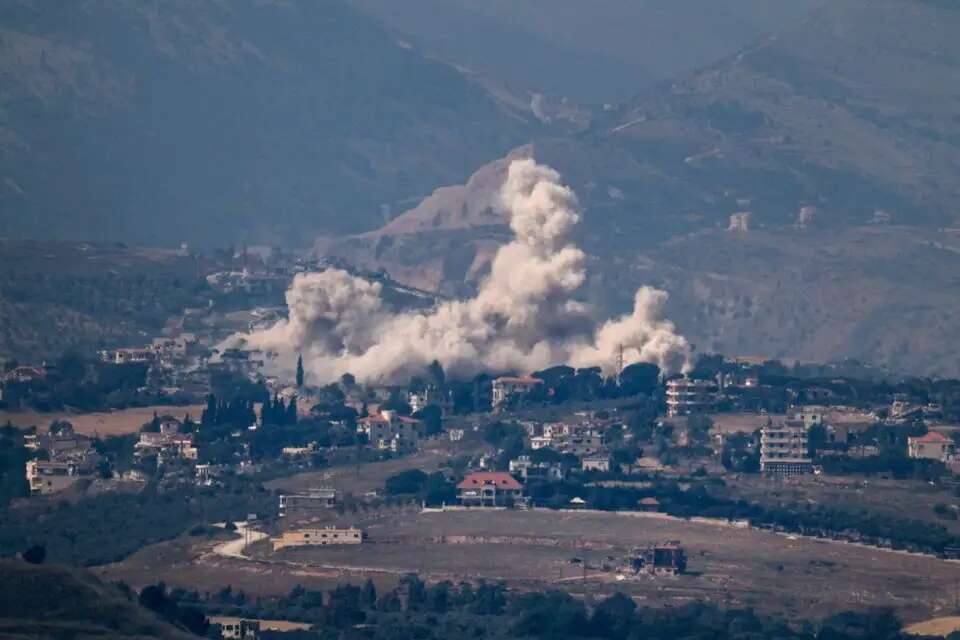
In a particularly clever move, they created a linkage between their nuclear negotiations with the US and the Lebanon issue. In early May, a halt to Israeli activity against Hezbollah was one of Iran's conditions for a permanent ceasefire with the US. In late May, after the ceasefire in Lebanon fell apart, Iran made the continuation of talks with the US conditional on a halt to Israel Defense Forces operations in Lebanon.
US President Donald Trump, for his part, accepted both demands, which undoubtedly hurt Israel. Ultimately, when we acted in Beirut, Iran attacked Israel. Therefore, under these circumstances, Israel's diplomatic objective in this round should be to sever the link between the two fronts. In other words, by the end of the exchanges of blows, Israel should be free to act as it sees fit against Hezbollah without Iran intervening.
"They will be hit hard"
Officials in Jerusalem understand this. Senior political officials stress that "any fire from Lebanon toward Israel will be answered with a strike in Dahiyeh." Israel's ambassador to Washington, Yechiel Leiter, said, "If Hezbollah fires at Israel, its command centers in Dahiyeh will be hit hard."
This, then, is the test of the coming days. It begins with the question of whether Hezbollah will attack communities in northern Israel today. If that happens, Israel will have to make good on the threat it has issued. There will be an opportunity to deal a severe blow to one of the tentacles of the octopus. If Iran again tries to shield Hezbollah by firing on Israel, we will strike it as well. But if Hezbollah does not fire, the significance will be that the axis has bent before Israel.
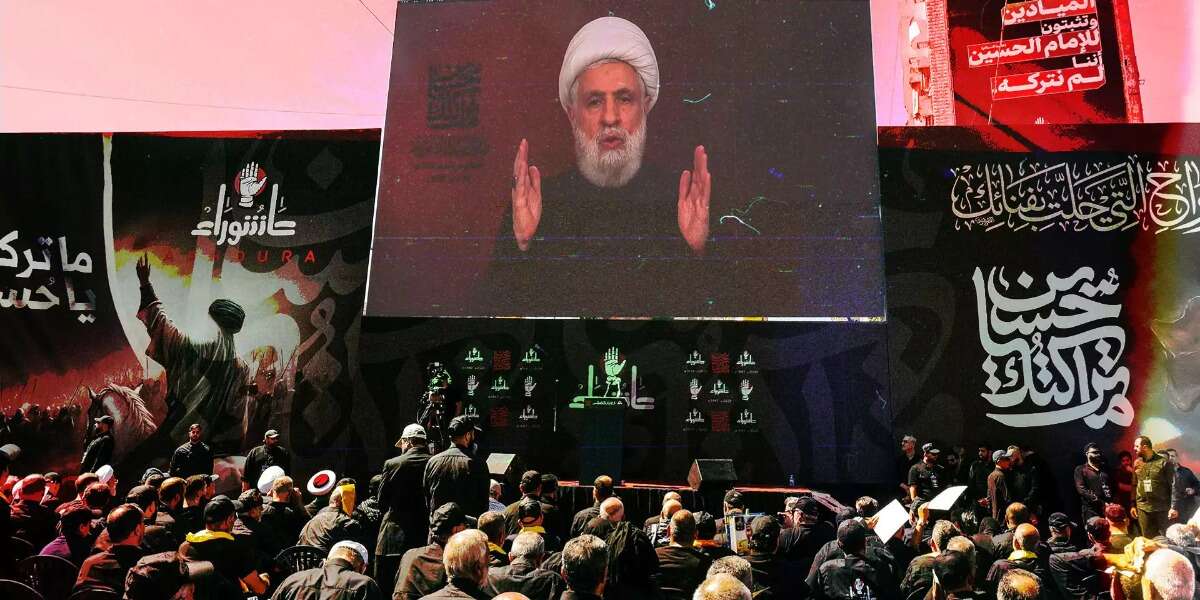
At the end of this round, we will need to see whether Iran continues to insist on preserving Hezbollah in Lebanon and whether Trump continues to accept that demand. That is, in effect, what the war is about.
As in every military confrontation, there is risk here as well. On the one hand, Israel is overturning the table and trying to change the unfavorable rules of the game into which it has been forced. On the other hand, war does not unfold according to anyone's wishes, and there is no way to guarantee what the results will be or how it will end.