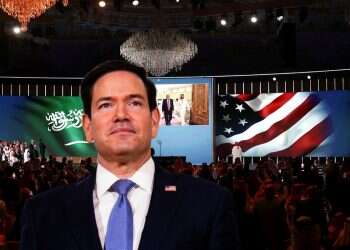
The US launched another wave of strikes against targets in Iran overnight Thursday, just minutes after Defense Secretary Pete Hegseth threatened that "if we have to negotiate through bombs, we will." Iran's Islamic Revolutionary Guard Corps claimed Thursday morning that, in response, it had launched 12 ballistic missiles at the US Air Force's al-Azraq base in Jordan.
US Central Command said the strikes were "additional self-defense strikes against multiple targets in Iran," ordered by President Donald Trump and in response to "continued Iranian aggression."
According to a Wall Street Journal report citing a senior US official, the strikes targeted air defense arrays and radar sites in the Strait of Hormuz area. The Pentagon described them as "coercive diplomacy" intended to force Iran to compromise at the negotiating table. The New York Times reported that the chances of a diplomatic breakthrough had diminished after a Qatari mediation delegation left Tehran on Wednesday evening without making progress in the talks.

Focus of strikes: Gulf coast
According to reports in Iranian media, the strikes once again focused, as in the previous rounds during the ceasefire period, on the coasts of the Persian Gulf and the Strait of Hormuz. Tasnim News Agency, which is close to the Revolutionary Guards, reported four explosions in Sirik and additional explosions in Minab, two cities south of Bandar Abbas in Hormozgan Province. Iranian state broadcasting reported two explosions in Bandar Abbas itself, the provincial capital and Iran's key port on the Strait of Hormuz.
Unusually, air defense activity was also reported in western Tehran and in Fars Province in central Iran, as well as the activation of air defenses in Asaluyeh in Bushehr Province, the center of Iran's gas industry on the Gulf coast. For now, there have been no reports of actual strikes there.
At the same time, the opposition channel Vahid published unverified messages claiming that missile launches were heard from cities in Lorestan Province in western Iran. In addition, Tasnim, which is affiliated with the Revolutionary Guards, claimed that reports of damage to a petrochemical plant belonging to the South Pars gas complex in Asaluyeh were untrue.
Later in the night, US Central Command announced that its forces had completed additional strikes against targets in Iran. According to the CENTCOM statement, the strikes targeted Iran's military surveillance capabilities, communications systems and air defense sites across the country. The statement said precision munitions were fired at Iranian targets that posed a threat to US forces and international commercial vessels traveling through regional shipping lanes.
Trump: "The Iranians asked me to stop"
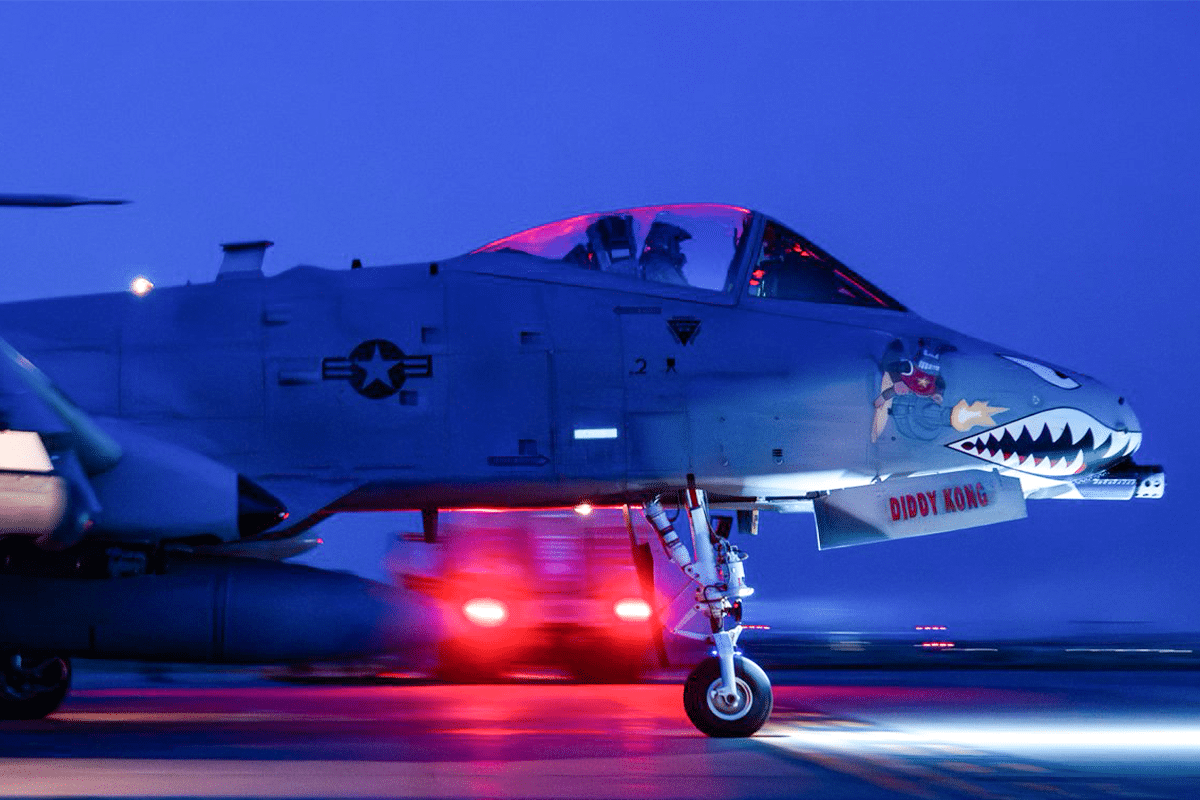
Trump was interviewed overnight by Fox News and claimed that senior Iranian officials had called him directly while he was sitting in the Situation Room and asked the US to stop the bombings. Trump confirmed that US fighter jets were operating in Iranian skies and said the strikes "will stop soon." The US president also noted that Israel was not involved in the strikes carried out overnight.
Referring to the ceasefire, Trump said it was "the most violated in history," adding, "If they do not agree to a deal tomorrow, we will bomb the s**t out of Iran."
According to Trump, 49 Tomahawk missiles were fired at targets inside Iran as part of the strikes, some of them just about 40 miles from Tehran. Trump said US fighter jets were operating in Iranian skies and attacking radar systems and air defense systems in the country's southwest, near the Persian Gulf.
He said the strikes were expected to stop soon, but that if the Iranians did not sign the agreement presented by the American mediators, the strikes would resume with force.
Trump made clear that the military option remained on the table, alongside heavy economic pressure through the US naval blockade of Iranian ports. The agreement under discussion is intended, according to the report, to reopen the Strait of Hormuz and ensure that Iran cannot advance toward nuclear weapons.
According to a report on Iranian television, a senior Iranian official denied that any conversation with the US president had taken place and claimed that Trump made the remarks "in order to avoid war with Iran."
Iran's response
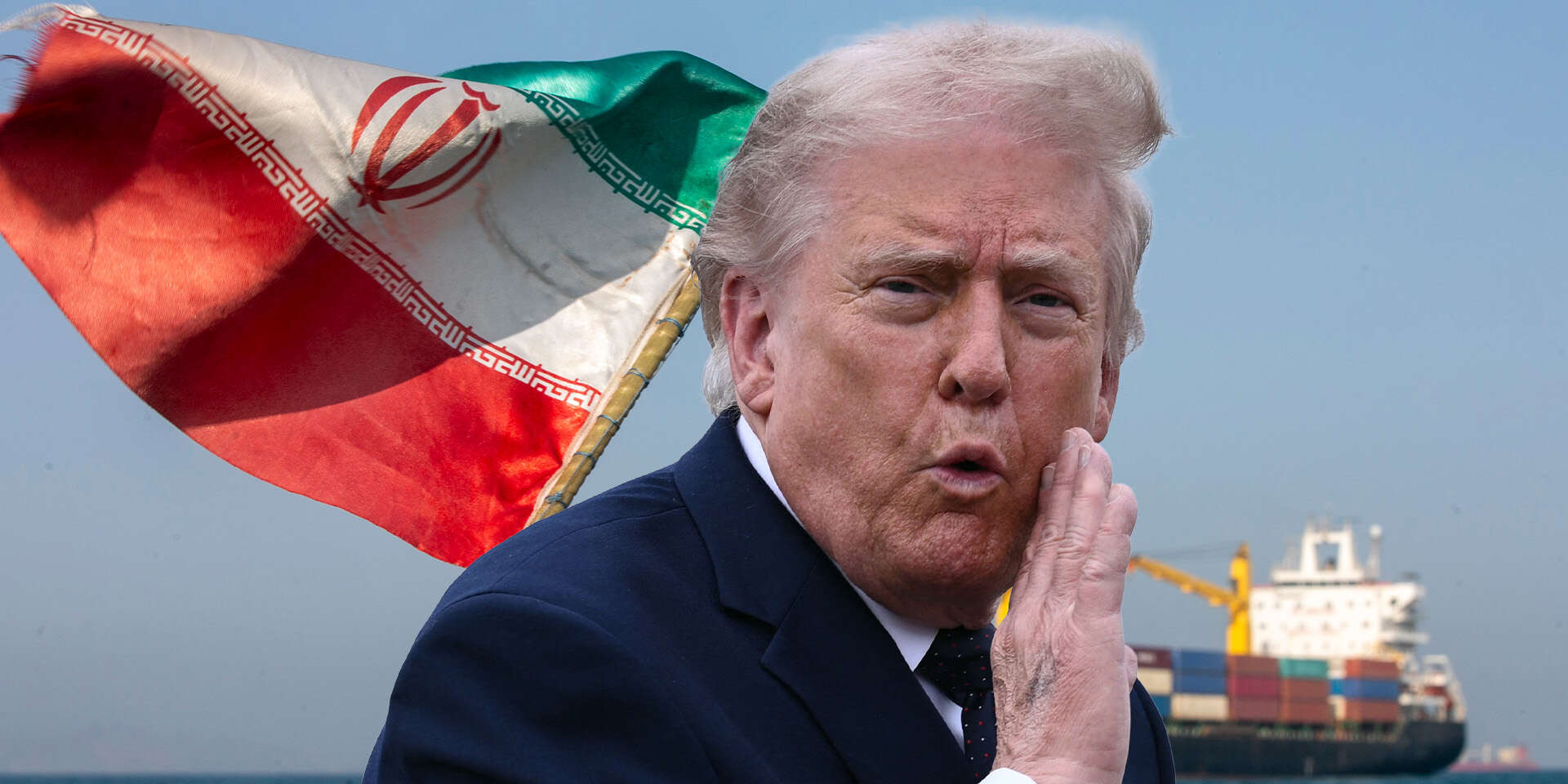
In the first statement published by Iran's military after the strikes, it said: "As of now, the Strait of Hormuz is closed. We will fire on any ship that tries to pass." Later, Iran's Supreme Joint Military Command issued a statement threatening that its military would respond in a "crushing and decisive" manner to any US "aggression" in the region.
During the night, sirens were heard twice in Bahrain, first at around 3:37 a.m. and again at around 5:15 a.m. local time. Kuwait reported the activation of air defense systems to confront hostile aerial targets.