A senior White House official told Israel Hayom that the United States and Iran are days away from reaching an agreement, and that the assessment in Washington was that there is a 80%-85% chance the sides would sign a memorandum of understanding.
According to the official, the core objectives of the agreement are in line with the goals set by US President Donald Trump: opening the Strait of Hormuz and removing the threat to shipping in the region, destroying Iran's stockpile of enriched uranium, dismantling key components of its nuclear program, and establishing a monitoring and enforcement mechanism to ensure that Tehran does not resume developing nuclear weapons or funding terrorism and violence in the region.
"The enriched material will be destroyed and removed from Iran, the nuclear program will be dismantled, and the framework being built will enable long-term oversight," the official said. According to the official, the agreement is structured so that any economic relief will be granted only after Iran actually fulfills its commitments. "If they bring the enriched material, they will get something. If they dismantle facilities, they will get something else. They get nothing immediately just because they sign the agreement."
The White House stressed that there is a great deal of mistrust between the sides, and that the agreement is therefore being built on the basis of a gradual "action for action" mechanism. According to officials, the draft memorandum of understanding has already been worded in a way that both sides "feel good about," after significant progress was made in recent days, including a consensus within the Iranian system.
During the briefing, the official attacked hardline elements in Iran, claiming they were trying to present the Iranian public with a false image of victory. "They are running an internal propaganda campaign and trying to sell a version that does not reflect the actual agreement," the official said.
Turning to Israel, the official said the Trump administration was in continuous contact with Prime Minister Benjamin Netanyahu and other officials in Jerusalem. Trump had also spoken with Netanyahu on Thursday, the official said. "When Israel sees the full terms of the agreement and understands that Iran has to give up significant things before it receives anything at all, it will be more comfortable with the arrangement," he said.
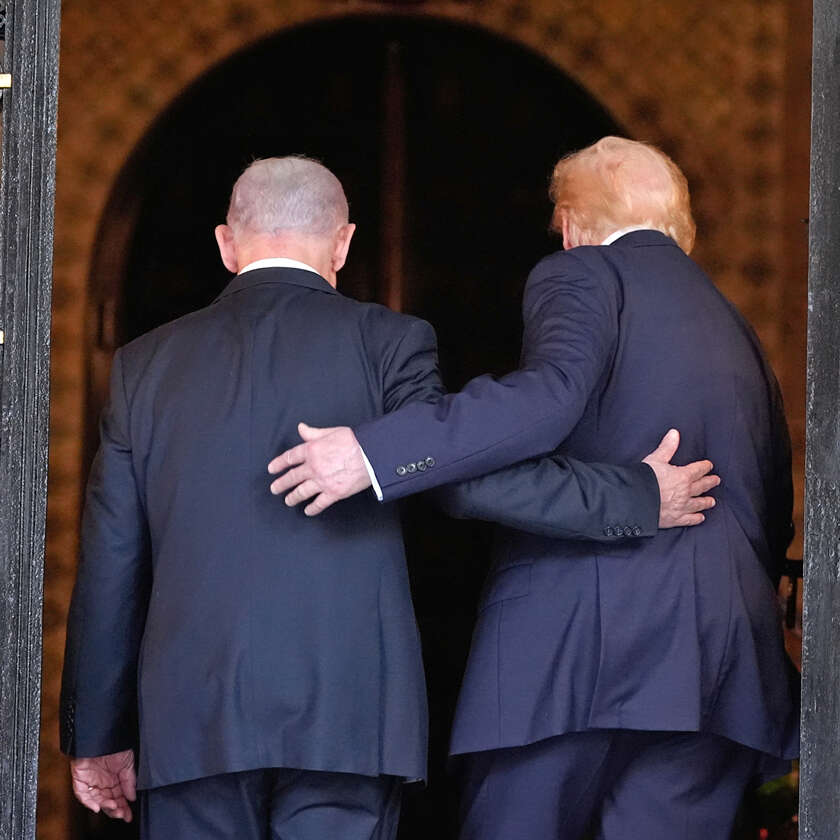
The official added that Israel had raised concerns with the Americans following reports published in the media, but made clear that the final agreement was expected to be acceptable to countries in the region. At the same time, he emphasized that Washington does not expect Israel to give up its right to self-defense.
"The broader regional framework includes Iran, Lebanon, Israel and the Gulf states. If the Iranians do not fulfill their part, I will not expect Israel to honor it. We are not denying any country the right to self-defense," the official said.
Referring to Hezbollah and Lebanon, the official said the success of the agreement also depends on Iran's conduct toward its proxies in the region. "If the Iranians do not honor their commitments, I will not expect the Israelis to refrain from acting. If Hezbollah fires rockets at Israel, and if Iran funds missiles that are launched at Israel, then it is clear they have not upheld their side of the deal. We expect Iran to be a real actor for peace."
According to the official, despite the presence of elements in Iran that oppose the agreement, the US assessment is that there is a relatively broad consensus within the Iranian establishment, including among elements in the Revolutionary Guards, that this is an agreement they can live with. "There is opposition, but it appears relatively limited," he said.
The official revealed that after the signing, a technical negotiation phase is expected to begin and last about 60 days. During that phase, the mechanisms for destroying the enriched material, dismantling the nuclear facilities and verifying and monitoring implementation of the agreement will be determined. "These are sensitive materials and a complex process. You cannot simply go in and take them out. We will need to build an orderly mechanism that ensures things are carried out," he said.
Asked whether Supreme Leader Mojtaba Khamenei had already given his approval to the agreement, the official said the assessment of intelligence and security officials was that Khamenei was "comfortable with the agreement," noting that such a move could not be advanced in Iran without his consent. He also said he did not know where the signing would take place, but praised the involvement of Qatar and Pakistan, which he said played a significant role in advancing the talks.
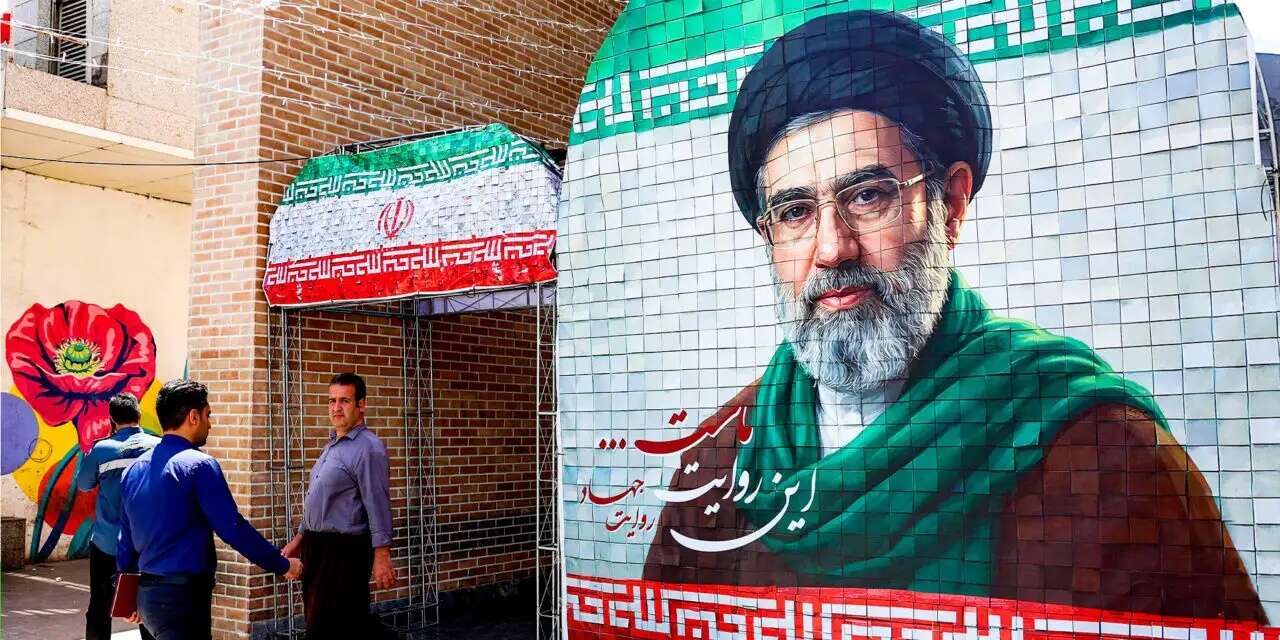
Asked how Iran could be trusted after decades of conflict, the official said the agreement was not based on trust at all. "We do not trust them and they do not trust us. That is why we built a mechanism of reciprocal steps and verification. Each side receives only after the other side has carried out its part."
According to the official, the United States has already achieved significant gains following the recent war. "The Iranian military was badly damaged, their force projection capabilities were impaired, and now we have also received a commitment to get rid of the enriched material and not develop nuclear weapons," he said.
He emphasized that Washington does not oppose the very existence of a civilian nuclear program in Iran, but rather the infrastructure that enables a rapid transition to nuclear weapons production. "If they uphold their commitments, they will not have the infrastructure required to obtain nuclear weapons," he said.
The official concluded by stressing that Iran faces a clear choice: "If they choose the path of peace, they will enjoy significant economic benefits and integration into the global economy. If not, we will continue to use economic and diplomatic pressure."