The memorandum of understanding that led to the cancellation of the US strike on Iran includes an Iranian commitment in principle to hand over uranium enriched beyond 3.75%, to forgo enrichment in the long term and to refrain from obtaining nuclear weapons, including through purchase. That is according to diplomatic sources familiar with the details of the talks who spoke with Israel Hayom.
According to the same sources, the Strait of Hormuz will be opened fully and without restrictions upon the signing, and both sides are undertaking not to take military action against each other or against any other country in the region.

However, the clause that paved the way for progress was actually the economic one: a US willingness to release $12 billion to $15 billion for humanitarian needs, in several installments and under supervision through Qatar. Asked whether this meant that the overarching strategic goal of regime change had been shelved, a senior US official answered in two words: "For now."
Should the final details be concluded and agreed, the emerging expectation is that the deal will be signed early next week, most likely in Geneva, Switzerland.
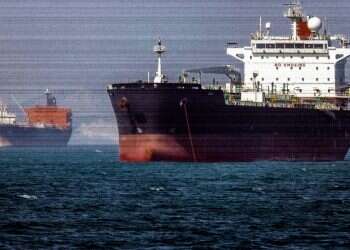
According to the diplomatic sources, the issue of the Strait of Hormuz is addressed in detail in the memorandum: The passage will be opened in full upon the signing, without restrictions and without fees, and Iran will be required to provide information on the mines it placed in the strait, or to clear them itself. In return, the US will move its naval vessels away from the area after the opening.
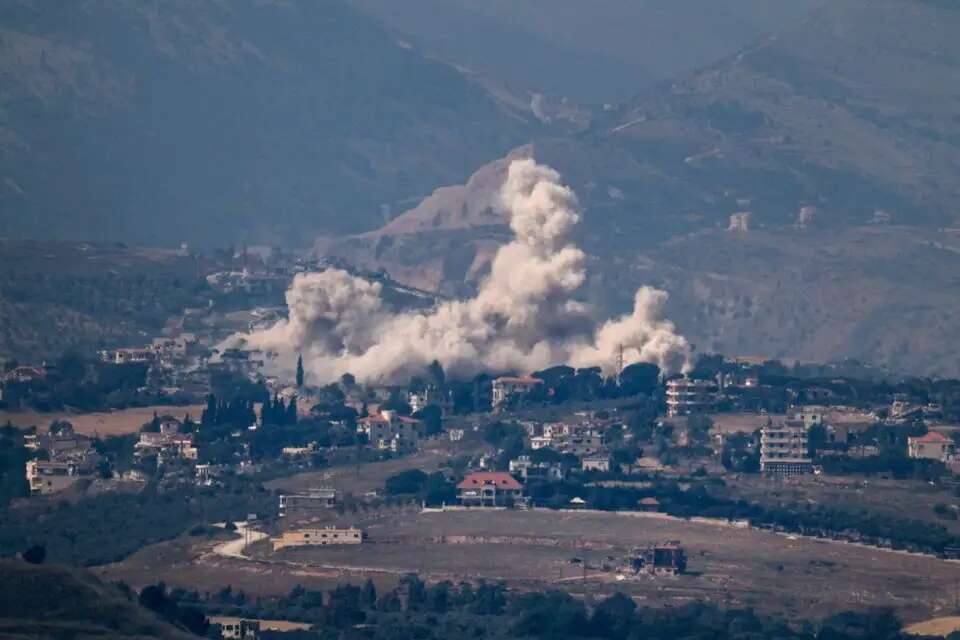
One issue remains unresolved: the Lebanon clause. The Americans are prepared for a ceasefire in accordance with the latest terms, meaning one that leaves Israel with the ability to respond to an emerging threat, while Iran is demanding a full ceasefire. However, according to the diplomatic sources' assessment, this gap will not be an obstacle, and the issue will be discussed in the next stage of negotiations.
The economic clause and the timetable
The turning point in the contacts, as stated, was economic: the US willingness to release $12 billion in the first stage, or $15 billion according to another version, in several installments. The money is intended solely for civilian-humanitarian needs, including the purchase of food and medicine.
For its part, Iran agreed to a significant concession: supervision and payment would be carried out through Qatar, and not independently. In return, it received consent to increase the amount.
At the same time, a gap remains over the timetable for the next stage: The Americans are demanding that the substantive negotiations begin within two weeks, while the Iranians are asking for 60 days.
The memorandum further states that all of the parties' demands will be raised in the future negotiations: on the US side, limiting the missile program and support for terrorist organizations backed by Tehran; and on the Iranian side, the withdrawal of US forces from the Gulf, international guarantees for the deal and renewed management of passage through Hormuz.
Bin Zayed enters the picture
An interesting development has taken place in recent days: According to various reports, the United Arab Emirates has joined in supporting the deal, and President Mohammed bin Zayed even spoke with President Donald Trump.
According to diplomatic sources in the Gulf, bin Zayed believes the Americans have decided to reach a deal soon, and therefore entered the picture to ensure that the substantive demands regarding Iran, beyond the nuclear issue, are indeed included in it.

Israel itself has remained outside the contacts, apart from receiving updates and raising issues with the Americans. Another open question is the position of the Islamic Revolutionary Guard Corps, regarding which contradictory reports are emerging from Iran. The assessment among the diplomatic sources is that the dominant forces within it will try to squeeze out additional gains until the last moment.