

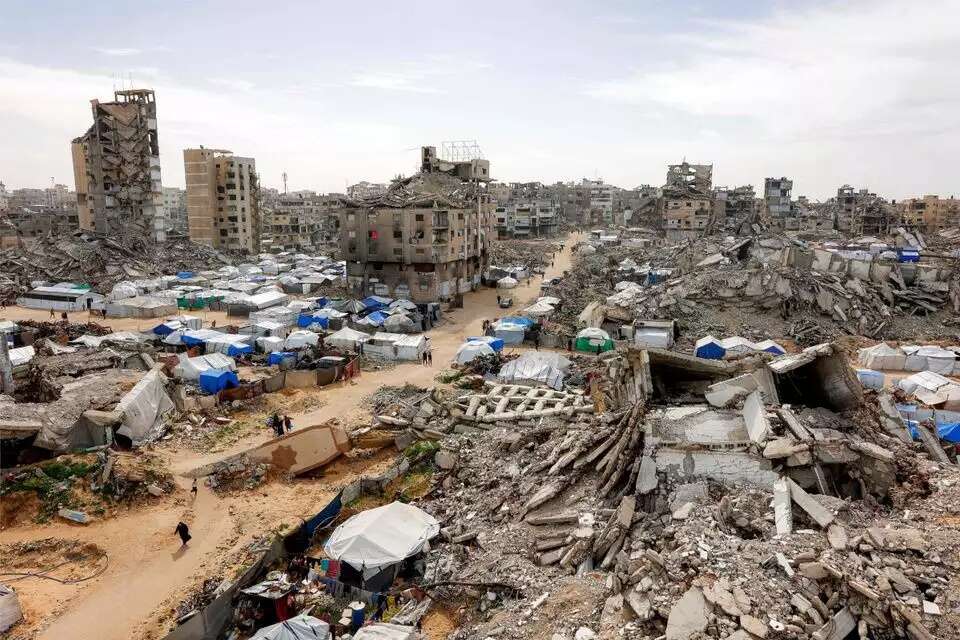
One of the world's most important scientific medical journals, The Lancet, has published an article calling for a boycott of the Israel Medical Association and for its membership in the World Medical Association to be terminated over the war in Gaza and the damage to the Palestinian health care system. The call has raised concern among Israeli doctors that Israel's standing could be harmed and that cooperation, including research partnerships, could be halted.
The article says international health organizations are calling for the suspension of the Israel Medical Association from the World Medical Association, arguing that it failed to act against the damage caused to the health care system in the Gaza Strip during the war, and because of violations of humanitarian law and medical ethics.
According to the organizers of the initiative, the Israel Medical Association refrained from addressing reports of deliberate attacks on medical institutions and medical staff during the war, and did not condemn harm to Palestinians.
The article presents a petition backed by the international health organization People's Health Movement, the organization Doctors Against Genocide and the health advisory council of Jewish Voice for Peace. More than 1,150 health professionals and health organizations have signed the petition, which seeks to raise the issue of suspending the Israel Medical Association at the general assembly of the World Medical Association in October.
"Unthinkable treatment"
One of the leaders of the campaign against the Israel Medical Association, Leslie London, a professor emeritus of public health at the University of Cape Town, sharply criticized the organization and claimed that the Israel Medical Association "was complicit in the unconscionable treatment of Palestinians during the war."
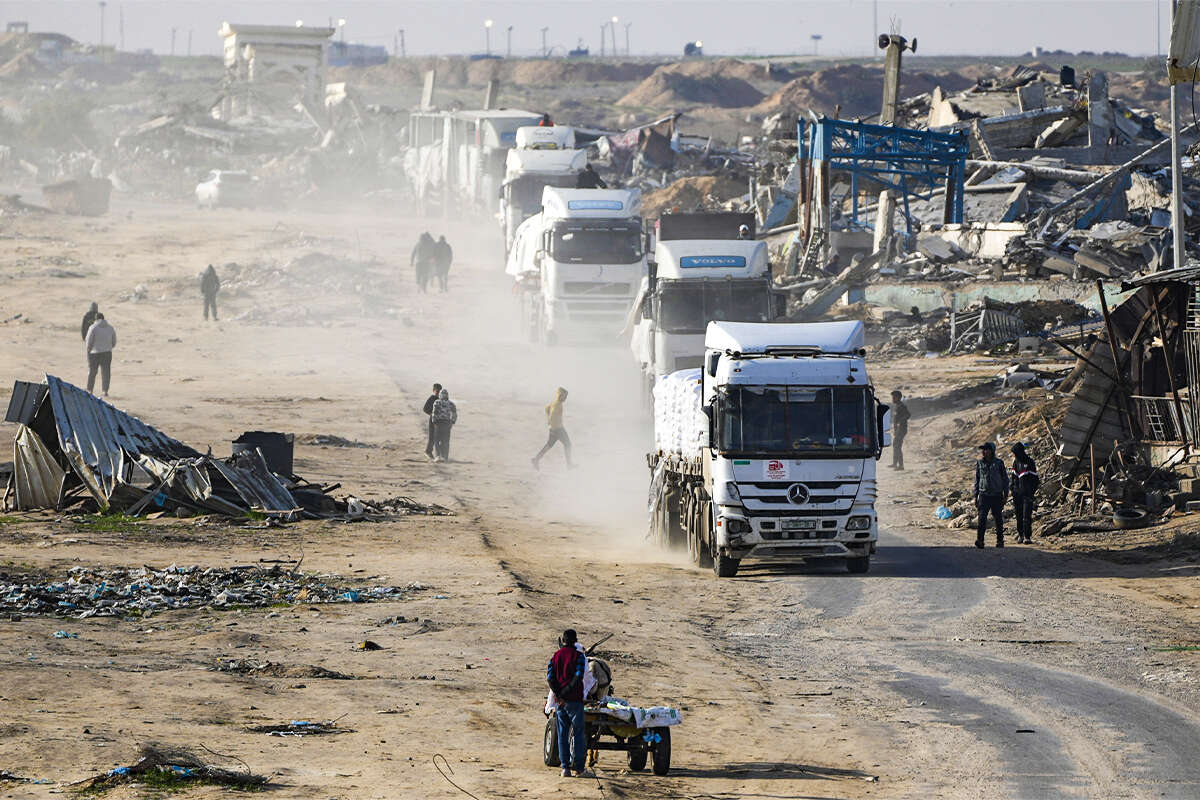
"It has never acknowledged the evidence of deliberate attacks on medical facilities and health care workers in Gaza, or the cruel, inhuman and degrading conditions in which Palestinian detainees are held in prisons and detention facilities in Israel. While Gaza's residents were starved and denied access to water and medical supplies, the Israel Medical Association remained silent."
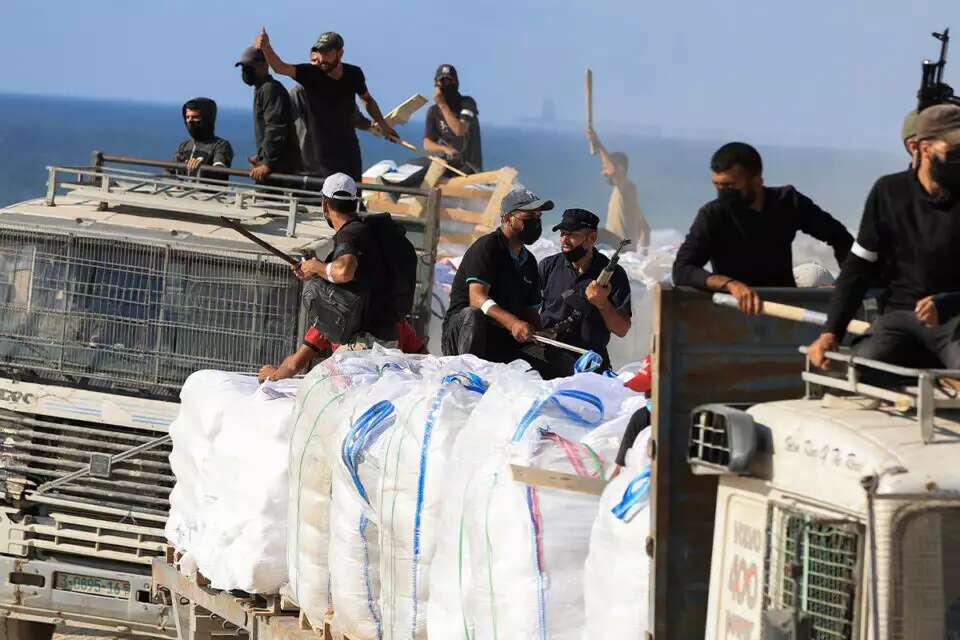
The Israel Medical Association rejects the claims outright. In its response to The Lancet, it said these were "false or contested accusations presented as facts." The association also argued that the petition's organizers were conflating the actions of the Israeli government with those of the professional organization, and that they were ignoring Hamas' role in damaging the health care system in Gaza, including by using hospitals for military purposes.
Ethical threat
The World Medical Association itself expressed opposition to calls to expel the Israel Medical Association. In a statement to The Lancet, it said it believed in dialogue and cooperation among all 117 medical associations that are members of the organization, and that suspending members because of the actions of their governments could harm its ability to promote medical ethics and fight injustices around the world.
The organization noted that the Israel Medical Association is one of its founding members and that it had taken part in drafting its statements on the situation in Gaza. The article was written by Udani Samarasekera, a British journalist and health editor who is also a researcher who has published articles on public health issues, including infant mortality, resistance to malaria treatment, violence against women and other subjects.
This is not the first time The Lancet has published criticism of Israel. In 2014, during Operation Protective Edge, the journal published a letter to the editor claiming that Israel was committing war crimes. Several months later, the journal's editor, Richard Horton, visited Israel for the publication of an issue devoted to Israeli medicine and apologized for the publication.
Prof. Ido Wolf, director of the oncology division at Ichilov Hospital and chairman of the National Council for the Prevention, Diagnosis and Treatment of Malignant Diseases, voiced concern over the article's publication.
"The very fact that the issue is being raised gives legitimacy to calls for a boycott," he said. "The boycott is not against the 'Israel Medical Association.' It is a boycott of the entire Israeli medical system. Advanced medications, research, cooperation, training. All of this will be harmed. This will cost patients' lives. They are the ones who will be hurt."


