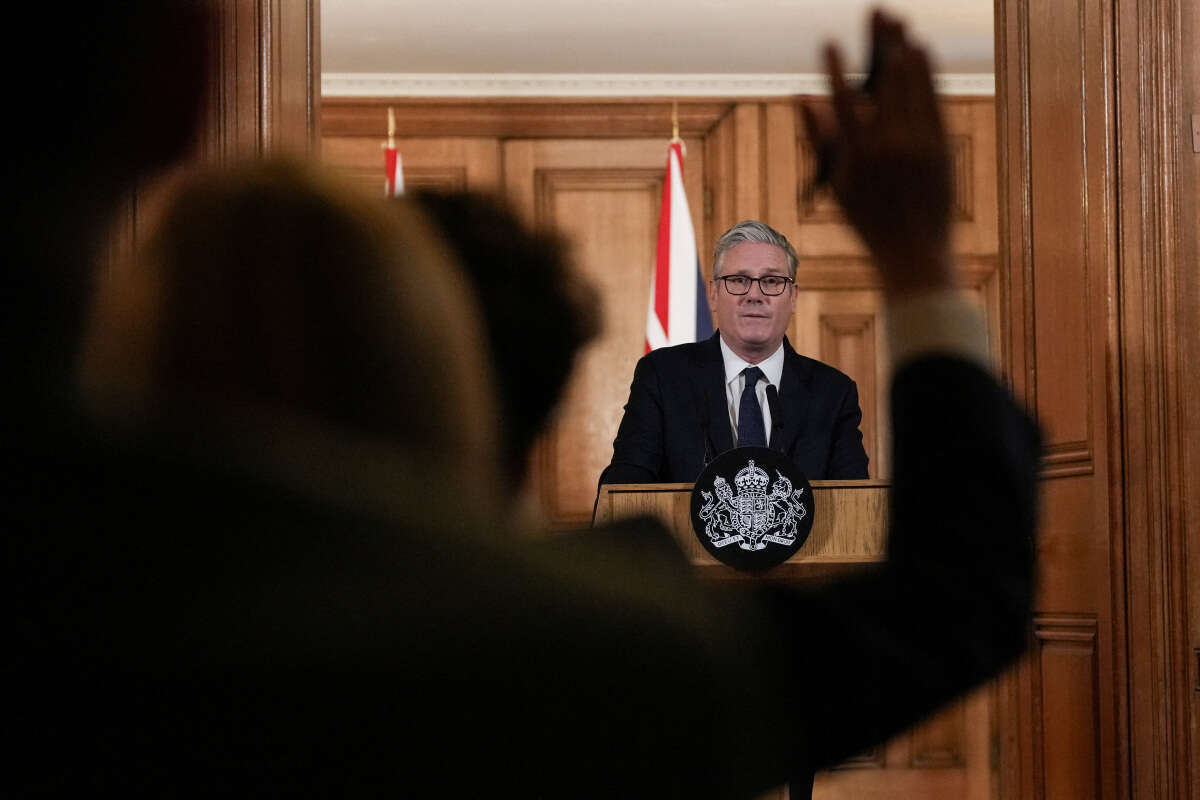
UK Prime Minister Keir Starmer announced Monday that children under the age of 16 will be prohibited from accessing social media platforms across the country, calling it "real change for our children and our future," The Guardian reported. The declaration positions Britain as one of the most aggressive nations in the world in restricting minors' online access.
"Social media is making children unhappy, it's making it easier for bullies to harass and abuse them, and it could even be harming their mental health," Starmer said, unveiling a policy he said would surpass the benchmark set by Australia's own pioneering restrictions.
Beyond the principal ban on major social platforms, the measures extend to gaming applications, with rules specifically targeting features that allow minors to communicate with strangers – a provision designed to close a significant loophole.
Delivering the announcement from Downing Street, Starmer acknowledged the trade-offs involved. "This is not something I do lightly, and I will not present it as cost-free, as if social media has [brought no] benefits to young people, because clearly that is wrong," he said. "But government is always about choices, and it's clear to me that a total ban is the right choice."
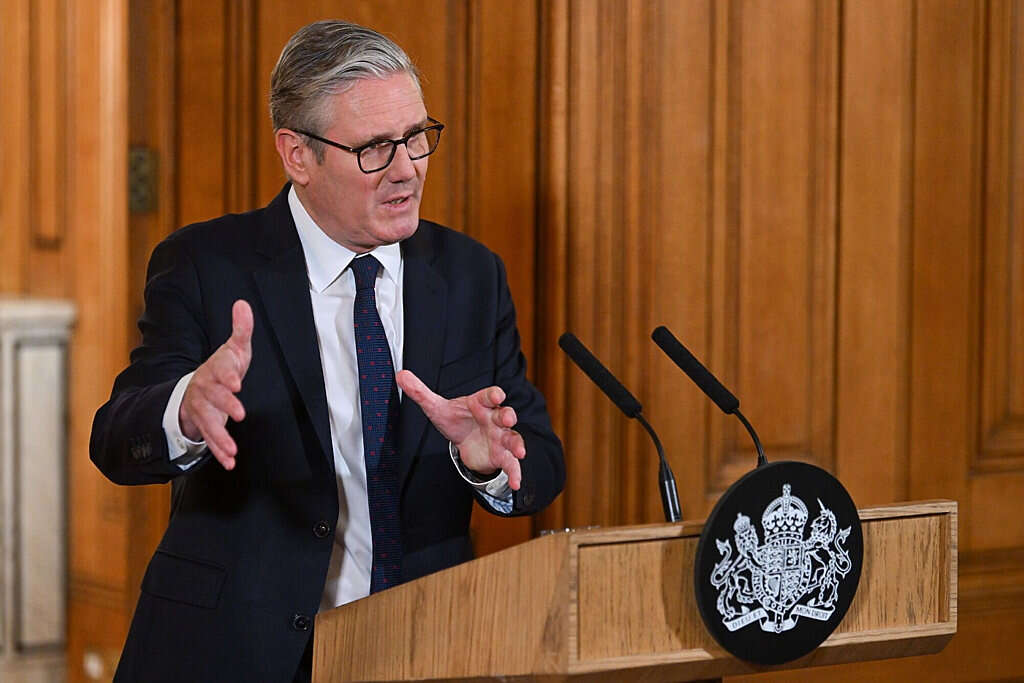
The speech carried undertones of a political legacy statement, with Starmer widely expected to face a leadership challenge in the near future. Alongside the child safety rationale, the prime minister framed the move as a pledge to parents that "Britain will be better for their children, that they will get a fair chance."
Critics have pointed to Australia as evidence that determined teenagers will find ways around such restrictions – a concern Starmer dismissed directly. Drawing an analogy to alcohol laws, he challenged the logic of abandoning policy because enforcement is imperfect.
"We don't say, 'Oh, look, a teenager managed to get a drink somehow, so let's not bother banning alcohol sales for children.' We don't do that, do we? I just don't accept that. Our laws are rules, but they're also an expression of our values. They shape the social contract, and so this will change the conversations that parents have and the expectations of children over time. It will make a huge difference. It will make our children safer. It will make our children happier. It will give them more time, more security, full freedom to grow up, more opportunity, and that, at the end of the day, is what this government is about," Starmer said.
In the question-and-answer session that followed, Starmer confirmed to reporters that the government intends to pass the relevant legislation before the year is out, The Guardian reported, with the ban itself expected to take effect by spring.
The Downing Street audience included prominent advocates for the measure – among them, parents who had lost children – all of whom Starmer personally acknowledged, the outlet reported.
When a reporter raised the prospect of a backlash from major US technology companies, Starmer pushed back against the idea that child protection and support for the tech sector are mutually exclusive. "I do not accept, and I will never accept that you can't be both pro-tech and AI, and at the same time say we must protect our children."