Andy Burnham will take office as the seventh British leader within a decade, promising to "rewire" national priorities toward pressing public concerns such as public service defects and living costs, Reuters reported.
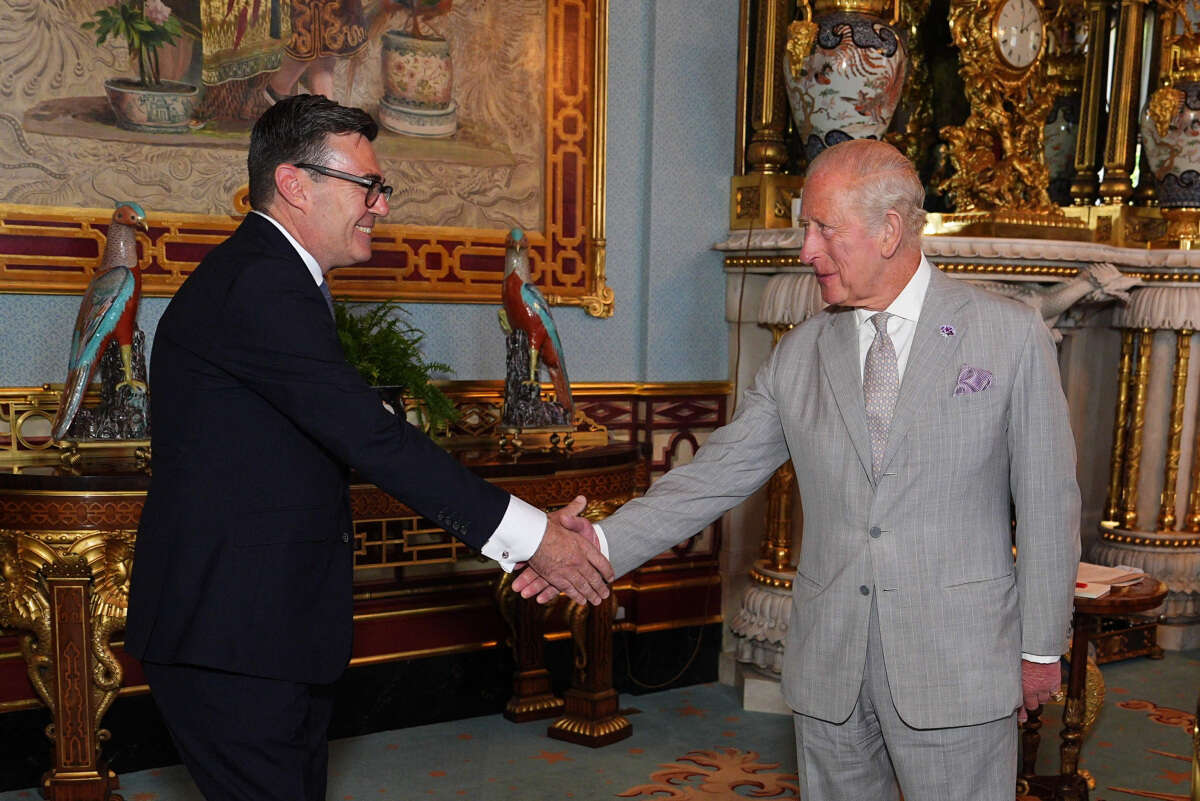
Burnham is currently meeting with King Charles, after outgoing Prime Minister Keir Starmer, a fellow Labour Party member, formally submitted his resignation to the king and delivered a farewell address at Downing Street, where he told supporters that "my work is done" and noted he was departing with "good grace" and a "smile," ending two years in office.
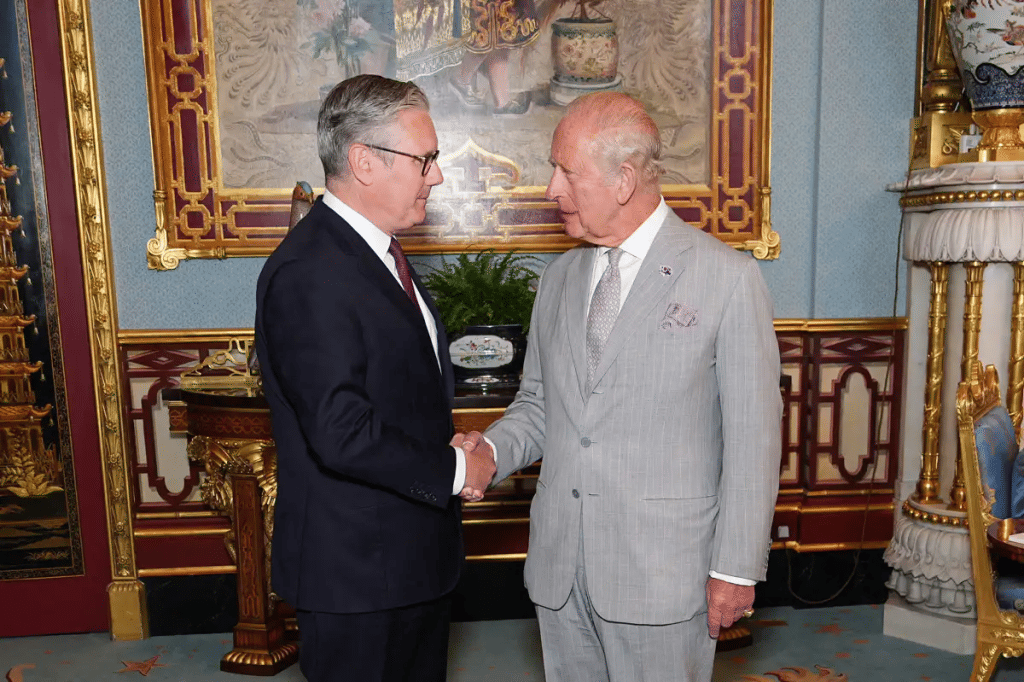
The king will receive Burnham to request the formation of a new administration.
The incoming prime minister began his professional path as a journalist for trade magazines, later becoming a researcher and advisor to Labor politicians. In 2001, he was elected to Parliament for the first time and quickly climbed the ranks under Prime Ministers Tony Blair and Gordon Brown. After Labor lost power in 2010, Burnham ran twice for the party leadership, in 2010 and 2015, but lost both times. In 2017, he made a dramatic decision – to leave Parliament and run for mayor of Greater Manchester.
As mayor, Burnham became a brand. He swapped suits and ties for jeans and dark t-shirts, spoke openly about his love for local bands like Oasis and The Smiths, and even DJed at parties. Under his leadership, the city experienced a massive construction boom, and he won widespread praise after returning the city's failing public transit system to public control and transforming it beyond recognition.
During the coronavirus pandemic, Burnham emerged as an alternative national leader when he clashed with then-Prime Minister Boris Johnson over an approach that he argued was "London-centric" and penalized northern cities. During this period, he earned the famous nickname "King of the North" – inspired by "Game of Thrones".
Burnham always admitted that his work in the central government in London was "unfinished business." His opportunity arrived when Starmer was pushed to resign by party members who feared his poor performance in the polls. To run for the premiership, Burnham had to return to parliament. A Labour member of parliament resigned to clear a seat for him, and Burnham won a special election in the Makerfield constituency in Manchester by a landslide against the right-wing Reform Party candidate, paving his path back to the summit of British politics.
Regarding Israel, Burnham has previously expressed sympathetic views. During his 2015 leadership campaign, he joined the Labour Friends of Israel group and described the BDS movement as "toxic." That same year, however, he called Netanyahu's election victory "depressing." After Oct. 7, he broke with Starmer's position and became one of the first senior Labour figures to call for a ceasefire in Gaza.
In a video released this month, Burnham apologized for Labour's support for Israel's military campaign at the start of the Gaza war. He described the suffering of Gaza's residents as "a stain on our collective conscience" and argued that "there is growing evidence that war crimes appear to have been committed" – although he stopped short of calling it "genocide."
In the same video, he pledged to consider further sanctions and a ban on trade with Israeli settlements in Judea and Samaria, claiming that the Netanyahu government "is trying to make the two-state solution impossible."