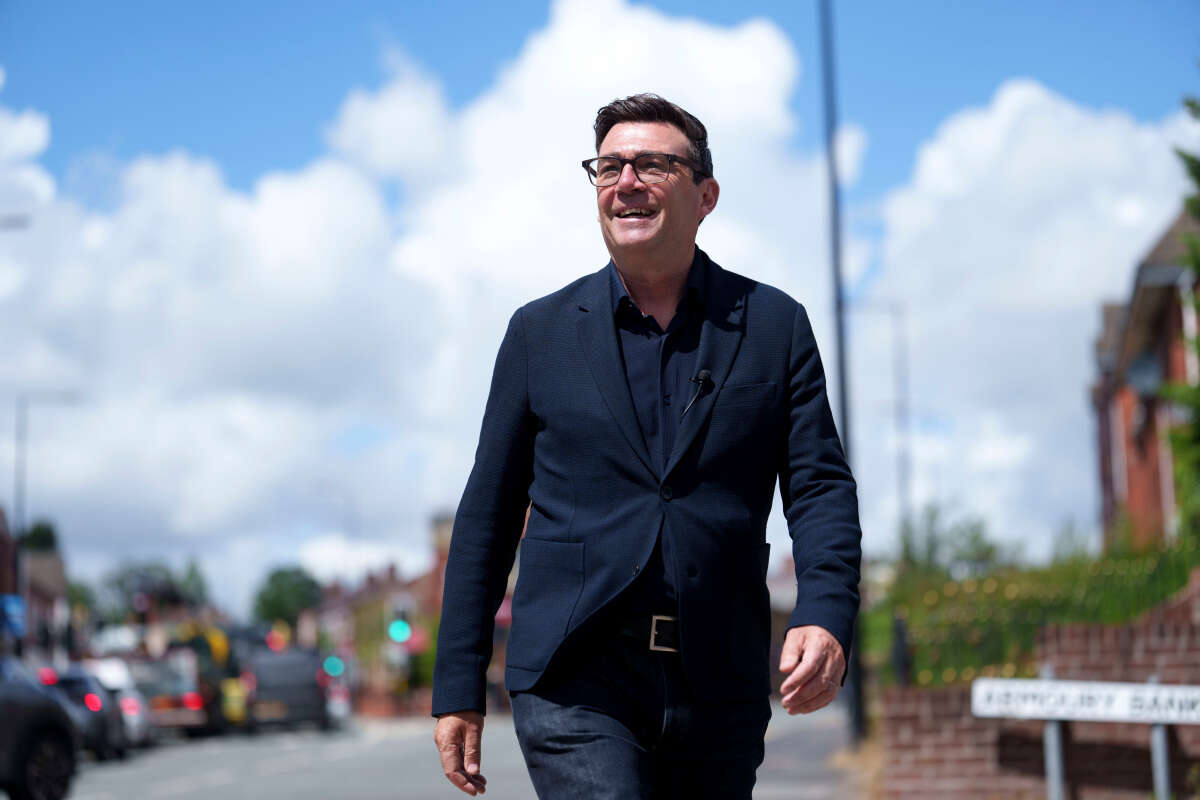
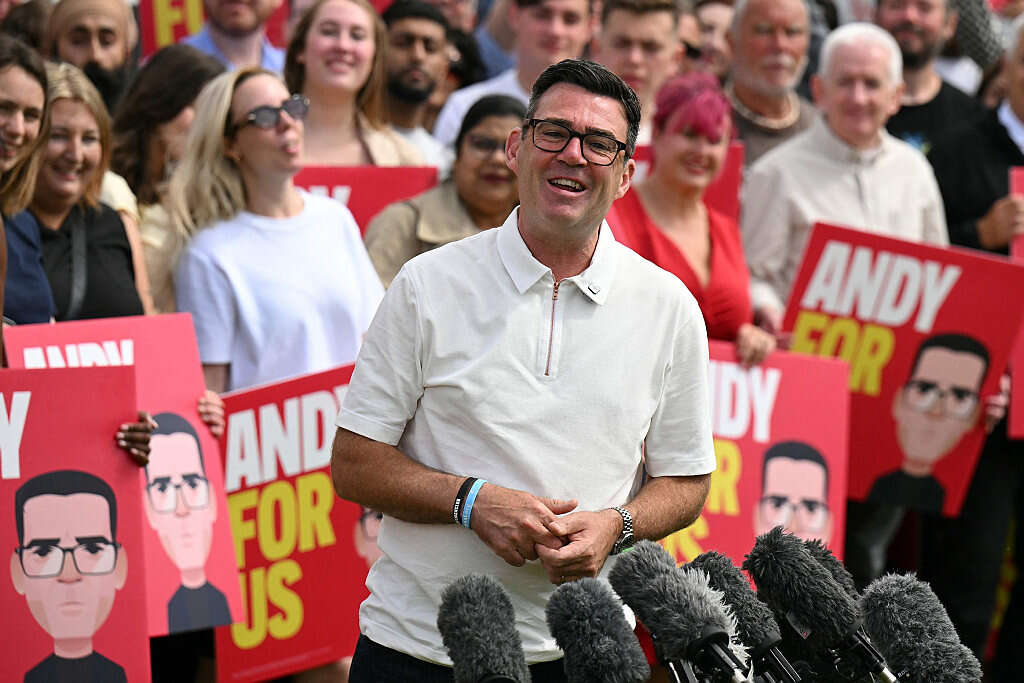
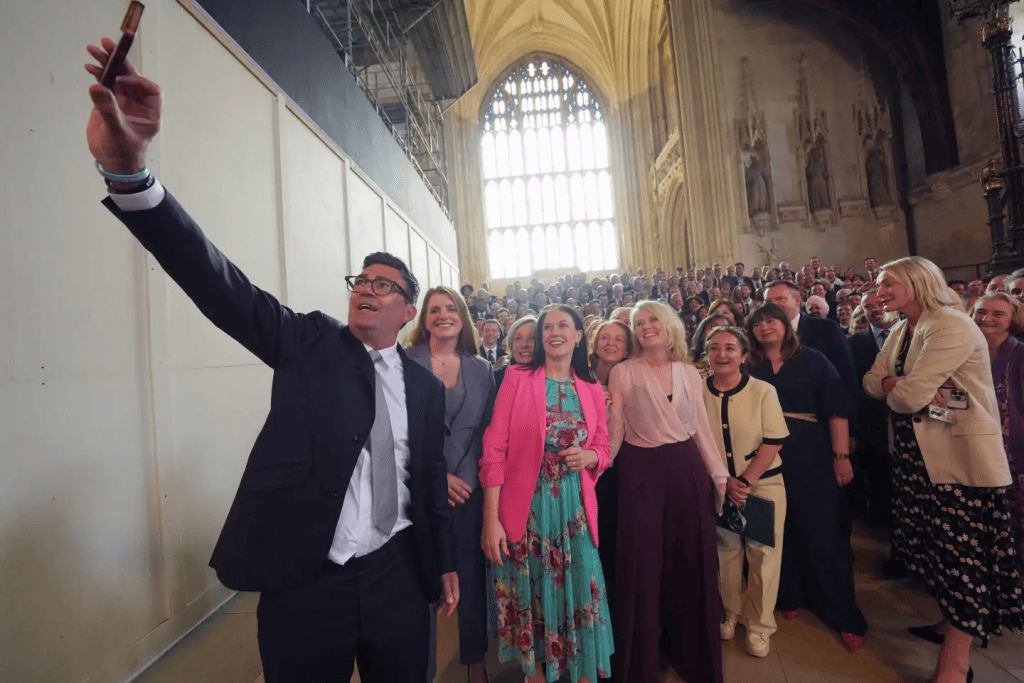
Andy Burnham was crowned today (Friday) as the leader of the Labour Party in a festive ceremony in London. This follows the surprisingly rapid political downfall of outgoing Prime Minister Keir Starmer, who was forced to resign after only two years in office under pressure from his party members.
In a press conference held in the British capital, Burnham said, "I am ready. I promise to transfer power from the government to the people. My journey to this stage today began in April 2009. This country is not working for the working class – it has turned its back on them." He then continued, "I will give Britain its hope back."
From Liverpool and Cambridge – to the heart of British politics
Burnham was born in Liverpool and raised in a warm, working-class Catholic family. His father was a telecommunications engineer, and his mother was a receptionist. He and his brother were the first generation in their family to pursue higher education, with Burnham earning admission to the prestigious University of Cambridge.
He began his professional path as a journalist for trade magazines, later becoming a researcher and advisor to Labor politicians. In 2001, he was elected to Parliament for the first time and quickly climbed the ranks under Prime Ministers Tony Blair and Gordon Brown, with the latter even appointing him health secretary and culture secretary.
A defining moment in his career came in 2009, when he was booed at a memorial service for the Hillsborough stadium disaster. Following his meeting with the bereaved families, who had spent years fighting a police cover-up, Burnham became a prominent activist for them in Parliament. He helped push for a new inquiry, secured an official apology, and championed a law requiring duty of candor and truth-telling by public officials during national disasters.
"King of the North" – the Manchester transformation
After Labor lost power in 2010, Burnham ran twice for the party leadership, in 2010 and 2015, but lost both times. In 2017, he made a dramatic decision – to leave Parliament and run for mayor of Greater Manchester.
As mayor, Burnham became a brand. He swapped suits and ties for jeans and dark t-shirts, spoke openly about his love for local bands like Oasis and The Smiths, and even DJed at parties. Under his leadership, the city experienced a massive construction boom, and he won widespread praise after returning the city's failing public transit system to public control and transforming it beyond recognition.
During the coronavirus pandemic, Burnham emerged as an alternative national leader when he clashed with then-Prime Minister Boris Johnson over an approach that he argued was "London-centric" and penalized northern cities. During this period, he earned the famous nickname "King of the North" – inspired by "Game of Thrones" – which reflected both his loyalty to the region and his future political ambitions.
The return to 10 Downing Street
Burnham always admitted that his work in the central government in London was "unfinished business." His opportunity arrived when Starmer was pushed to resign by party members who feared his poor performance in the polls. To run for the premiership, Burnham had to return to Parliament. A Labour Member of Parliament resigned to clear a seat for him, and Burnham won a special election in the Makerfield constituency in Manchester by a landslide against the right-wing Reform Party candidate, paving his path back to the summit of British politics.
Meanwhile, outgoing Prime Minister Sir Keir Starmer gave an exclusive farewell interview to Sky News, insisting that he is leaving with his head held high. "I am stepping down as leader of Labor knowing that I am leaving the country in a better state than I found it," Starmer told political correspondent Beth Rigby.
Despite being effectively ousted by his own lawmakers, Starmer emphasized, "I am the person who saved the Labor Party and laid the foundations for its victory in the next general election." However, he admitted that many Members of Parliament in his party no longer believed in his ability to lead them into the next election cycle.