France is grappling with a wave of widespread unrest driven by a surge in the cost of living and in fuel and energy prices.
Prime Minister Sébastien Lecornu announced that a new curfew will be declared Tuesday evening in areas where "the situation requires it," after clashes and violent protests broke out across the country over the weekend.
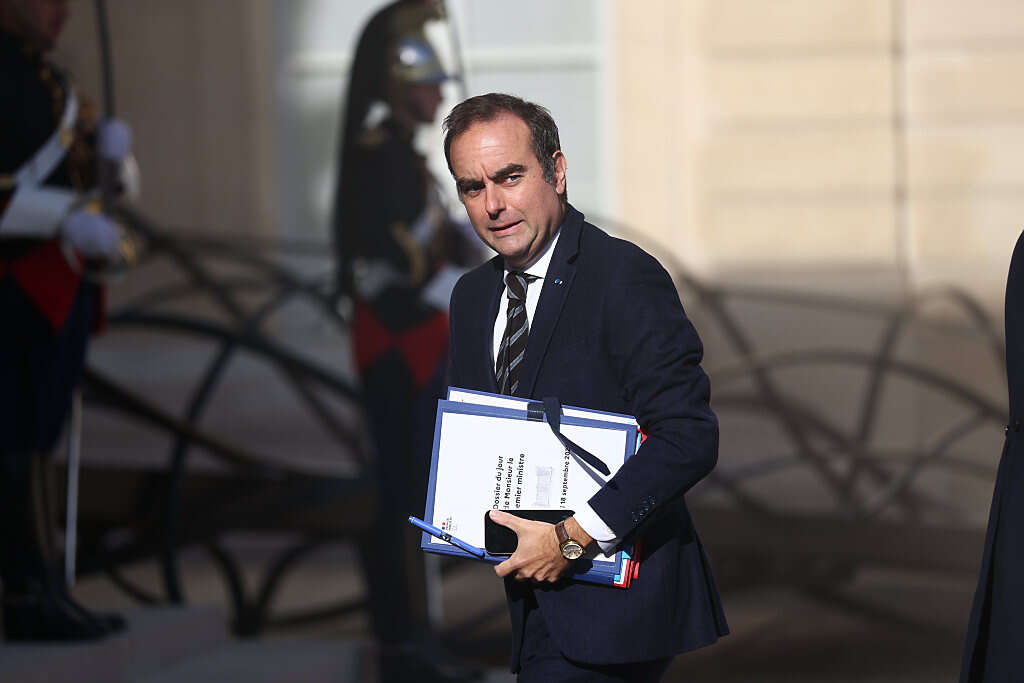
French Justice Minister Gérald Darmanin said that 2,513 people were arrested over the weekend, 67 were jailed, and dozens of investigations have been opened. At the same time, courts have begun holding expedited proceedings against suspects involved in the violence. On Monday, several defendants were sentenced to prison terms or community service in hearings held in Paris, Toulouse, and Bobigny. Additional hearings, involving particularly serious offenses, are expected to take place Tuesday.
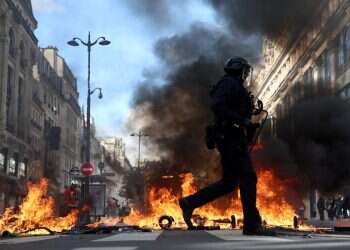
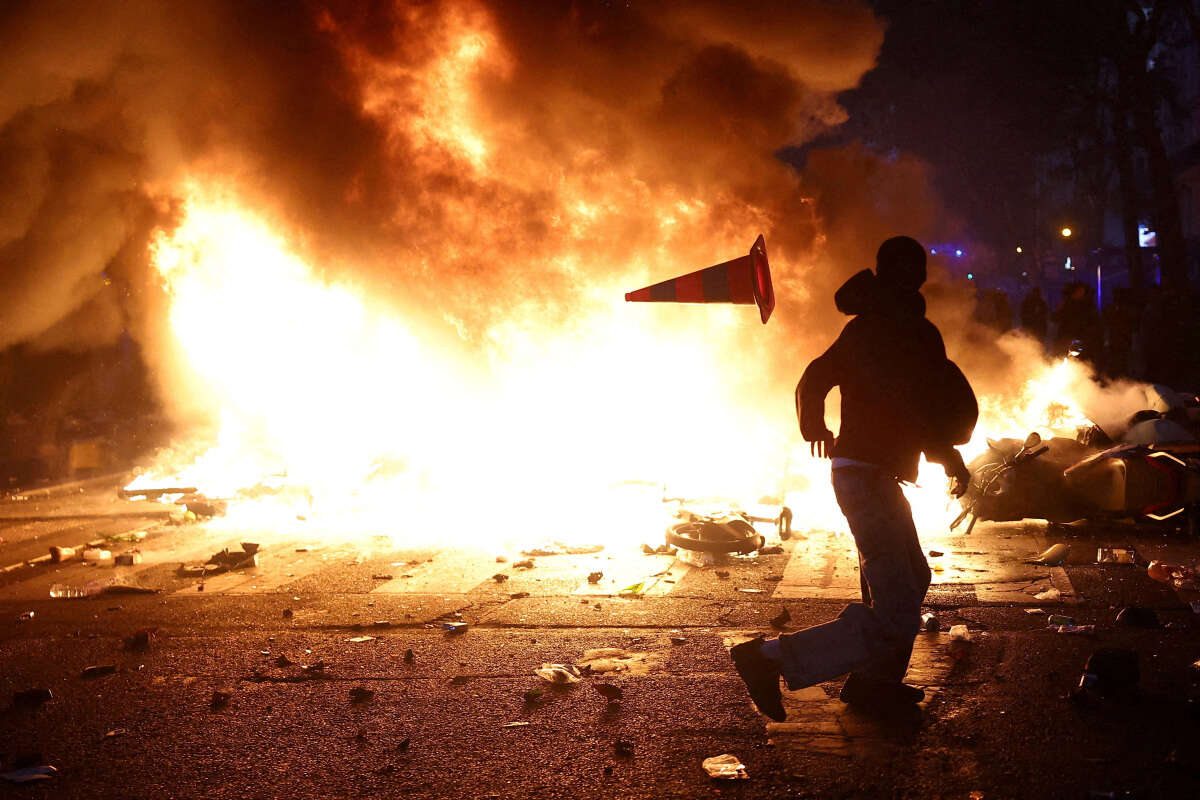
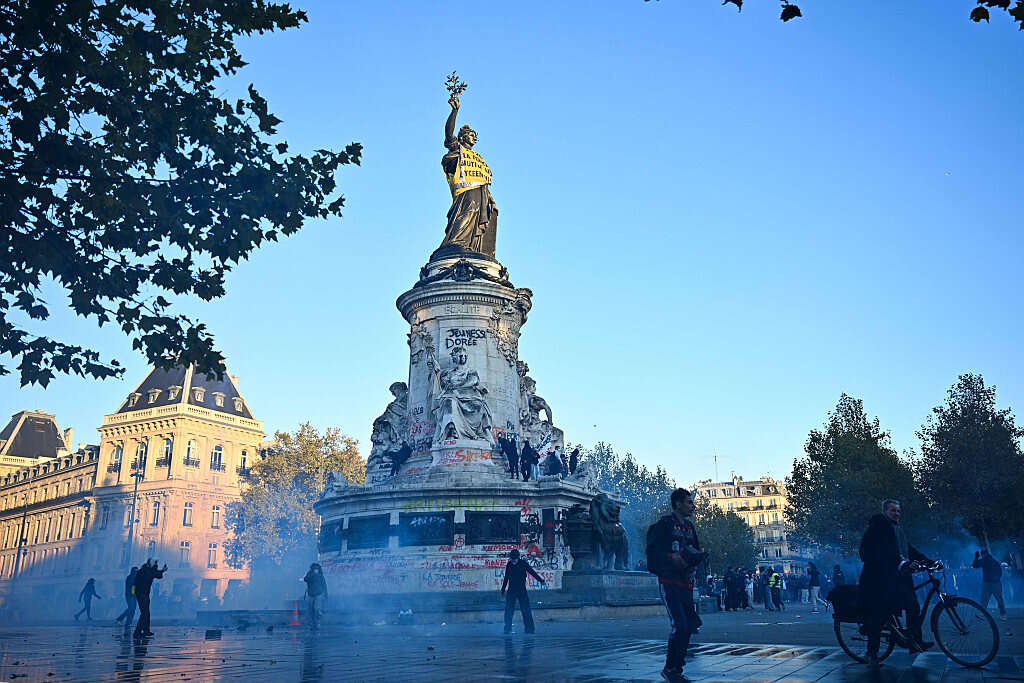
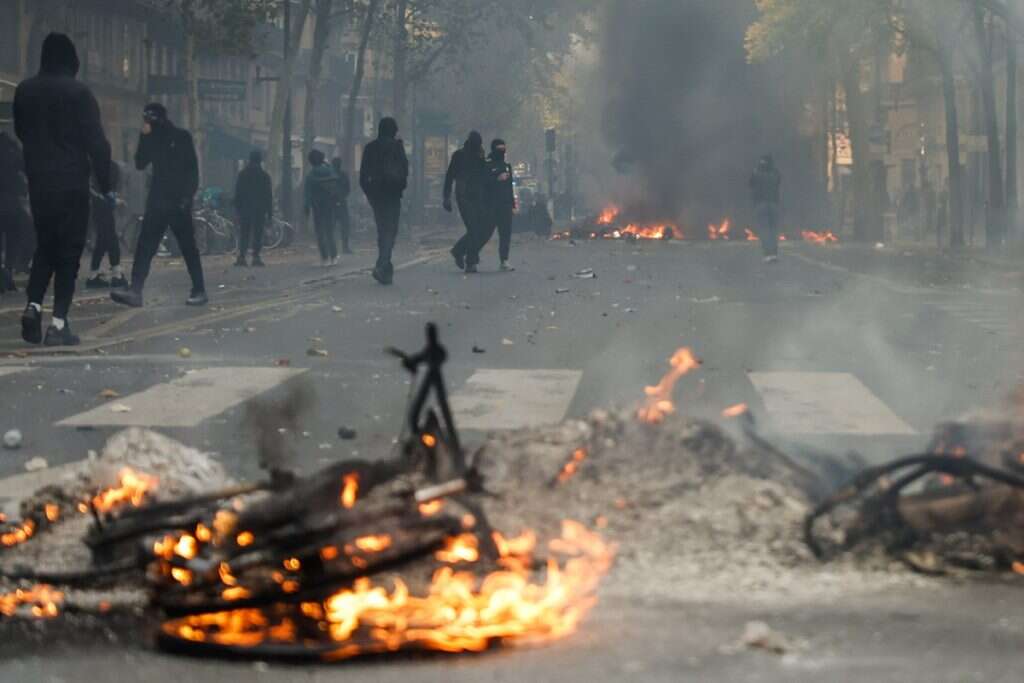
The protests, which began over deteriorating conditions in schools in Paris's northern suburbs, have expanded into one of the most serious waves of unrest the country has seen in decades. During the unrest, stores were looted, buildings were set on fire, and the historic 19th-century city hall in Limoges was burned down.
Curfews in Paris, Lyon, and Lille
Authorities have already begun imposing curfews in various parts of the country. In Paris, a curfew from 11 p.m. to 6 a.m. was imposed around Place de la République and the streets surrounding the Les Halles distric, BFMTV reported, citing the Paris police.
In Lyon, a curfew from 9 p.m. to 6 a.m. was imposed on part of the Presqu'île in the city center. In the Nord department, a curfew from 8 p.m. to 6 a.m. was imposed in certain neighborhoods of Lille, Wattignies, Douai, and Denain.
In Nice, Mayor Éric Ciotti announced a curfew for minors, which took effect Monday at 9 p.m. and ended at midnight.
Alongside the enforcement measures, Economy Minister Roland Lescure promised to advance relief measures for business owners and tradespeople directly affected by the unrest, in order to help them resume operations quickly.
"Food and fuel prices are frightening"
Behind the unrest lies public anger over the ongoing rise in household expenses. On Saturday, at least 550,000 people took to the streets across France to protest the cost of living, nearly a month after the protest movement led by high school students began.
"I'm here because the current cost of living genuinely frightens me," Quentin Loilo, a 21-year-old protester from Nantes, said. "Think about people who barely earn minimum wage, when you look at food prices, fuel, and everything else. It's frightening to see how much everything has gone up."
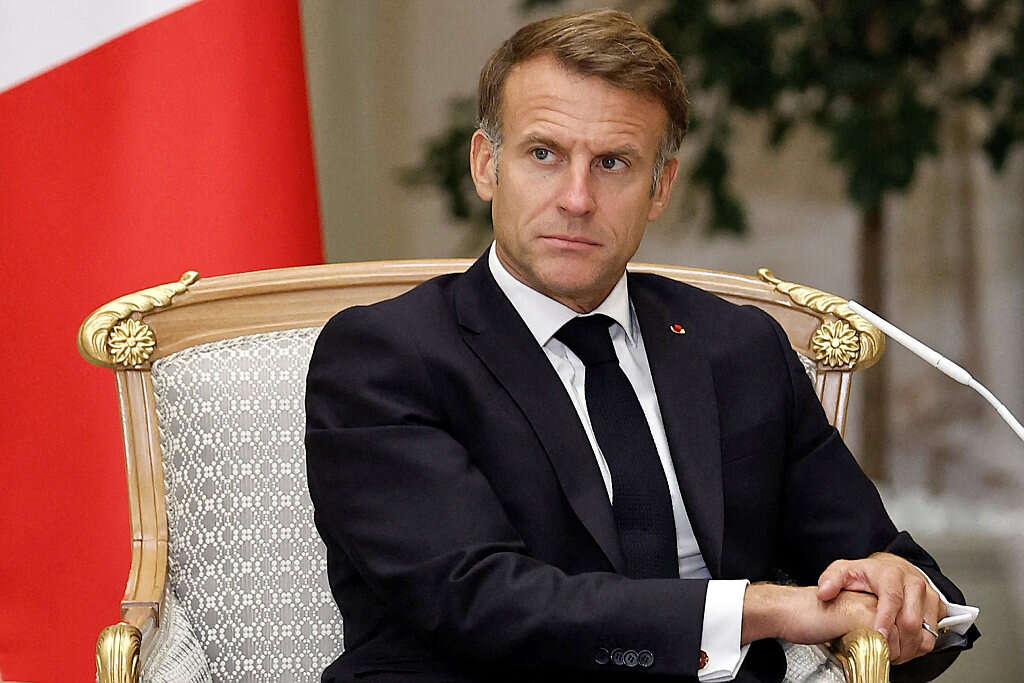
In a speech delivered over the weekend, French President Emmanuel Macron acknowledged the "legitimate demands" of the protesters, who are demonstrating against rising living costs and fuel prices. At the same time, he sharply criticized those involved in the looting and destruction.
"We must never confuse them with those who destroyed, vandalized, and looted," Macron said, in an attempt to distinguish between the protesters and those who took part in the violence.
The current crisis comes after years of economic hardship following the COVID-19 pandemic and the fallout from Russia's 2022 invasion of Ukraine. Rising energy prices have deepened the pressure on the government, which is also contending with a widening budget deficit and pressure from the bond markets.
Cost of living crisis threatens Macron
The economic crisis also carries political implications. Rising energy and fuel prices have become a central issue ahead of the presidential election, expected next April. Far-right leader Marine Le Pen and radical-left politician Jean-Luc Mélenchon have both placed fuel prices at the center of their campaigns.
Le Pen, considered a leading candidate for the National Rally party, has won broad support for her proposal to significantly cut the value-added tax on fuel. According to analysts, the proposal resonates especially with her supporters in rural areas and areas near cities, where car use is often a necessity.
Now, with the streets ablaze and the cost of living protests continuing, the government must contend simultaneously with the violence, the damage to businesses, and public and political pressure. Lecornu's announcement of additional curfews illustrates the severity of the situation, as authorities prepare for continued legal proceedings against those involved in the unrest.