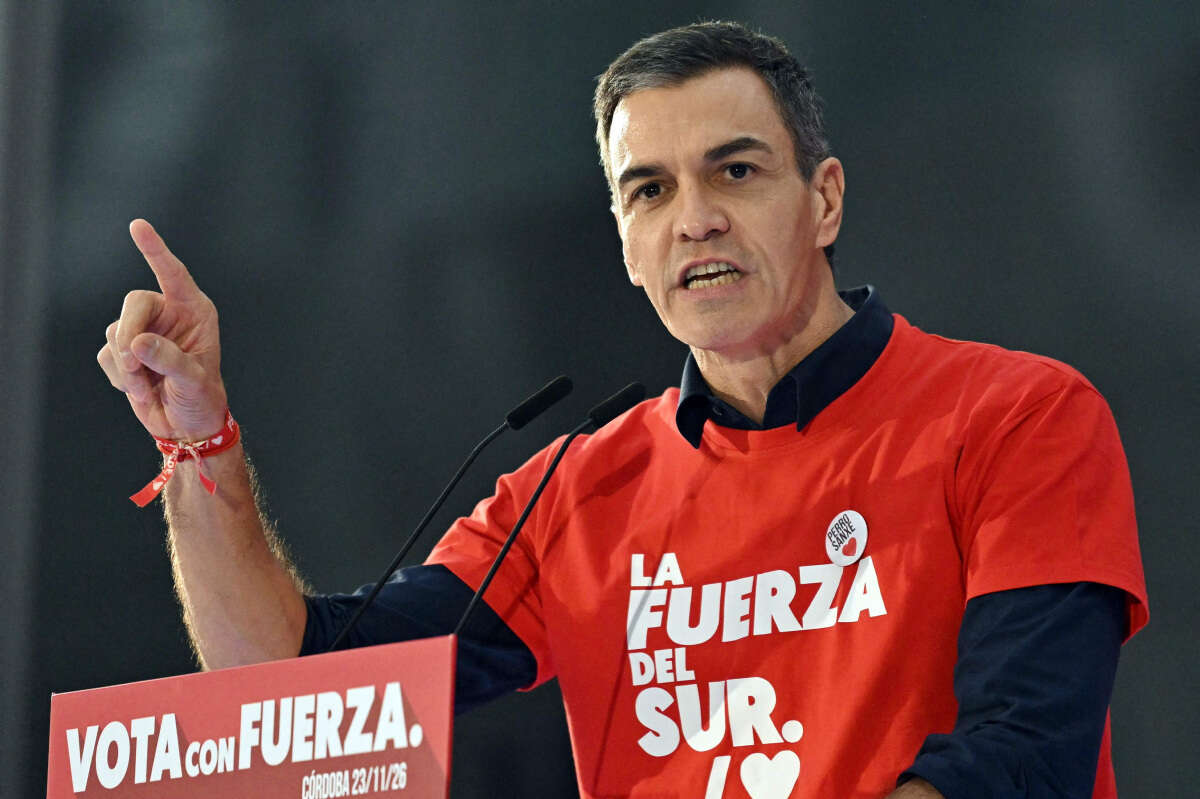
Spaniards are heading to the polls in a snap general election that could bring a far-right party into government for the first time since Francisco Franco's dictatorship gave way to democracy, The Guardian reported. Pedro Sánchez, the socialist prime minister, forced the early vote in October, well ahead of next summer's deadline, after three conservative and far-right parties scuttled his emergency housing bill.
The housing crisis boiled over in September, when 87-year-old María del Carmen Abascal was evicted from her Madrid home after an investment fund demanded a 230% rent increase she could not afford. Nationwide protests followed, prompting Sánchez's minority coalition government to propose a package of measures ranging from extending an eviction ban for vulnerable tenants through 2030 to regulating temporary rentals and room rentals.
The proposals were voted down by the conservative People's Party (PP), the far-right Vox and Junts, a right-wing Catalan separatist party. In response, Sánchez, a habitual risk-taker made one of his trademark political gambles, calling an early election in the hope that the parliamentary deadlock would work in his favor.
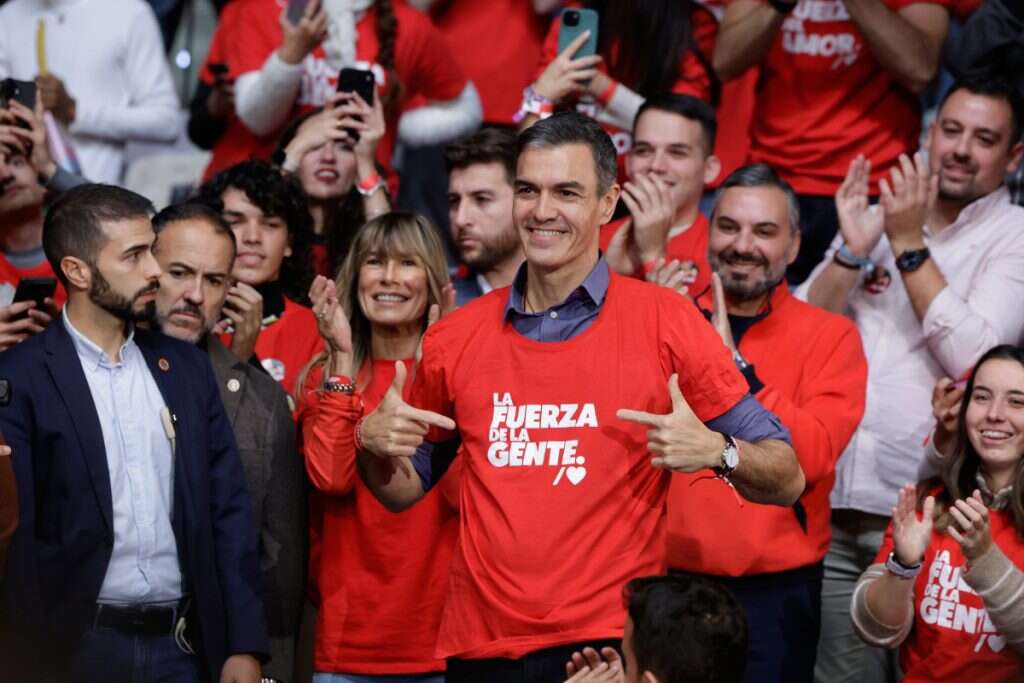
The PP leads the polls by fewer than three percentage points but would likely need Vox to govern, and the two are projected to clear the 176-seat majority in the 350-seat congress of deputies. Even a late socialist surge would leave Sánchez struggling to assemble a coalition with the Broad Front and regional nationalist parties.
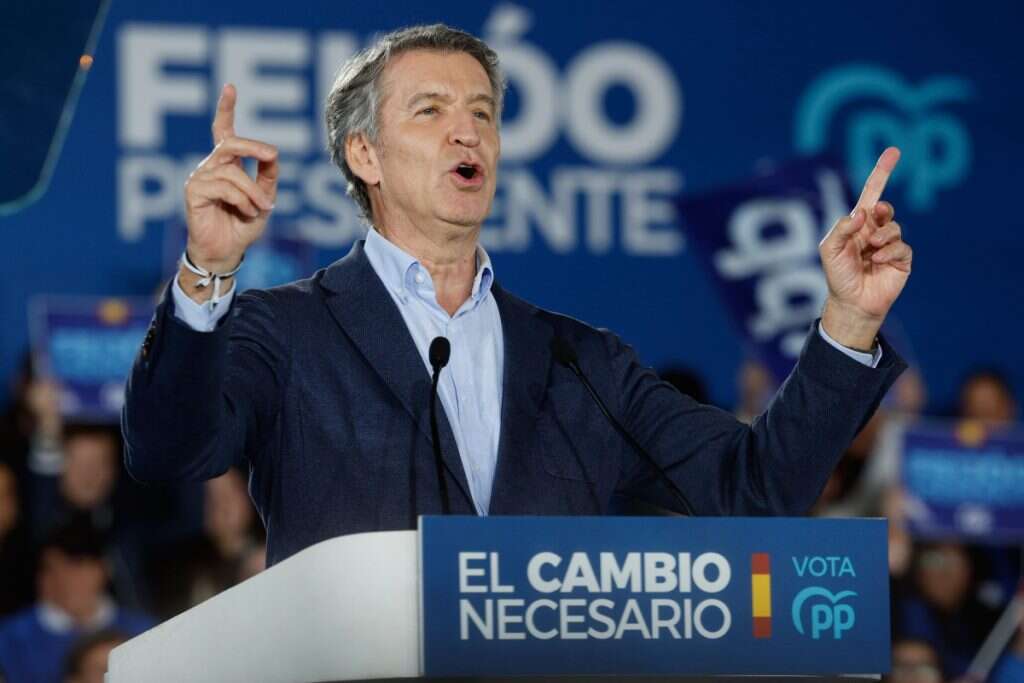
Voting on Sunday morning, Sánchez voiced "a good feeling" and said he was seeing "a historic mobilization" of voters, according to The Guardian. Feijóo, the PP leader, said the election would "shape the destiny and direction of Spain not just for the next four years but for the next decade".
By making housing a central battleground, Sánchez could shift attention from the corruption allegations touching his inner circle and from the criticized handling of the Ceuta crisis, when about 80,000 people crossed from Morocco within 48 hours. His campaign lost momentum in late October when 69 people died in Spain's second deadly rail crash in nine months.
The PP and Vox cite both crashes as proof that the government failed to keep Spaniards safe. They also frame the vote as a referendum on "sanchismo", their disdainful label for a governing style they call cynical, corrupt, opportunistic and self-serving.
"Spain deserves a decent prime minister and [Sánchez] isn't one," Feijóo told viewers in last week's debate. Sánchez admitted mistakes but said Spain is better off than when he took office in 2018. "My government hasn't been perfect; I've made mistakes," he said. "But I'm also fully aware that we have always governed in the right direction."
Sánchez also casts the contest as progressives against reactionaries, typified by the PP's possible alliance with Vox. "You must decide whether you want our country to move backwards or continue moving forwards, and whether you prefer a government that works for the interests of the majority of society," he told Spaniards as he announced the vote.
The government proposed a tax on fortunes above 100 million euros (roughly $116 million) to fund childcare, housing and public services. Despite the polls, Sánchez remains confident. "I can't conceive of us losing," he told Cadena Ser radio on Friday, adding: "When progressive Spain gets going, it's unstoppable."
The PP promises tax cuts, 1 million homes and to "restore the country's ambition and self-esteem". Vox's platform stresses deregulation, "remigration" and priority for Spanish-born people in housing and public services, and calls for prosecuting Sánchez and his government "for treason and crimes against the security of the state" over Ceuta.
Former PP leader Pablo Casado once repudiated Vox, accusing it of a politics of "fear, anger, resentment and revenge", yet the PP now governs four regions in coalition with it. The PP and Vox have also made baseless claims that the government may rig postal votes, The Guardian reported, while Vox leader Santiago Abascal has suggested without evidence that Sánchez is undermining democracy and changing the country's demographics.