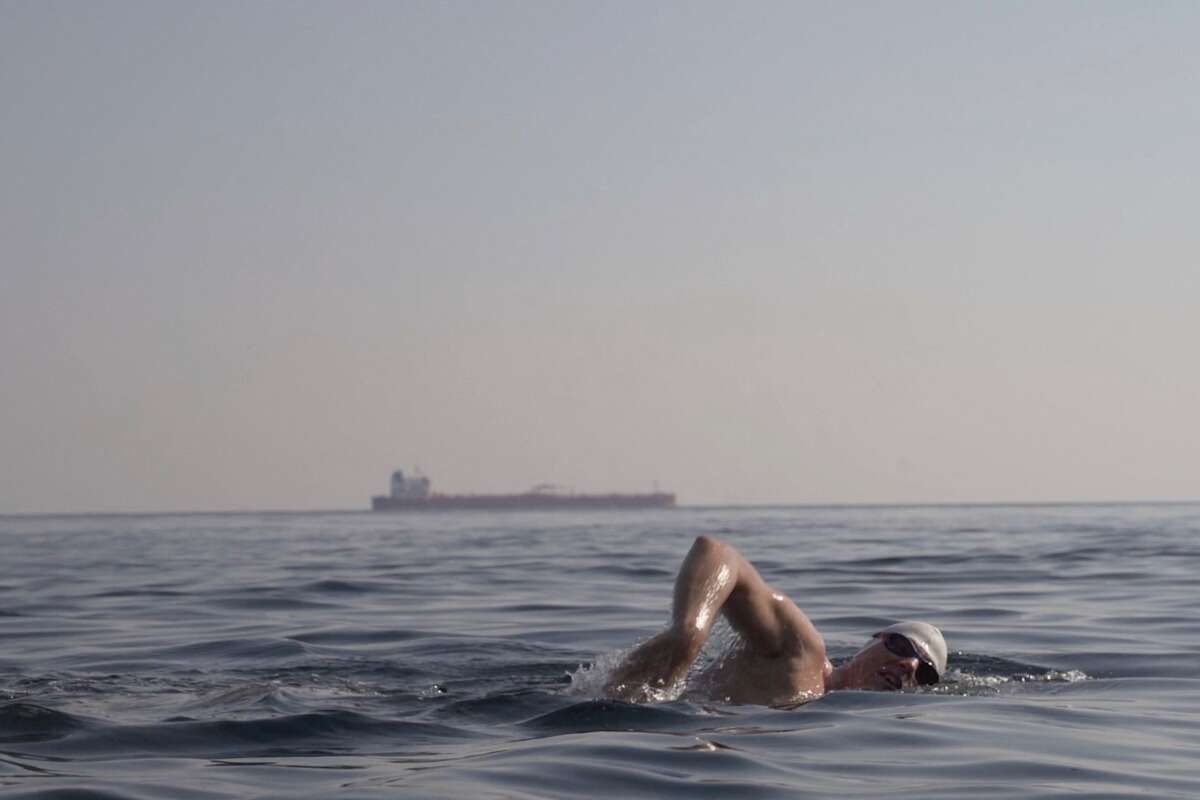
Over the course of three days, an endurance swimmer from Britain braved a stretch of the Strait of Hormuz in a bid to draw attention to what the Iran war is costing the environment, The Guardian reported. The undertaking was spearheaded by Lewis Pugh, the UN's patron for the oceans, who covered a 9.3-mile (15km) portion of the passage through which much of the Middle East's crude is shipped.
Strikes on merchant vessels, blasts far off and military jets flying above all came within his sight, the Lewis Pugh Foundation said. On the opening day, a projectile hit an oil tanker roughly 2.5 miles away from the swimmer, and a day later flames climbed over a headland that stood between Pugh and Tara Gas, a carrier of liquefied petroleum gas that was on fire. He subsequently swam close to that ship while it remained ablaze.
Reflecting on the fire, "My immediate thoughts were for the seafarers onboard," Pugh said. "The flames were enormous. These vessels carry highly flammable gases, and an attack on one can have catastrophic consequences, not just for crew members but also on the surrounding marine environment."
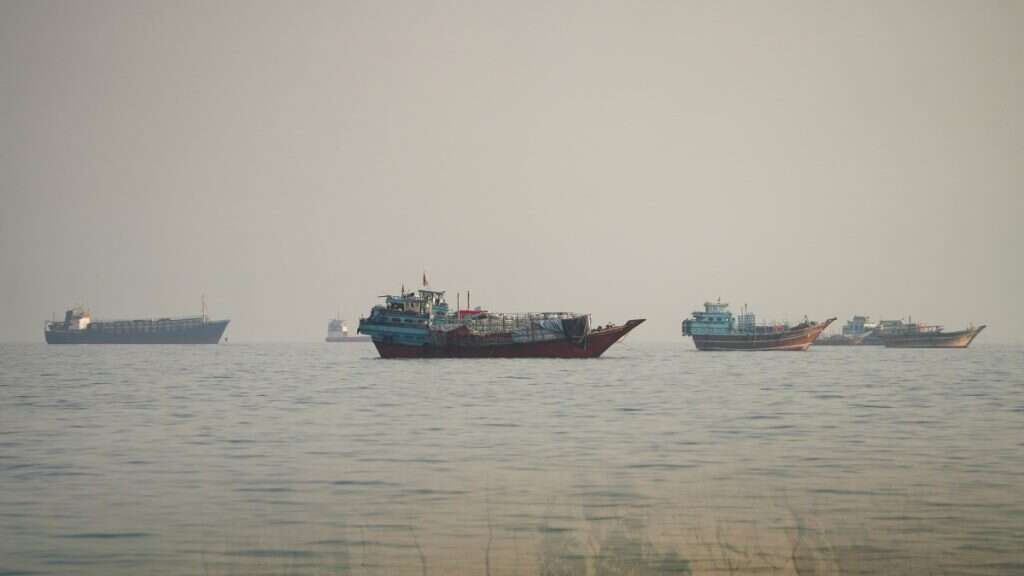
Calling for the fighting to stop, the waterway to reopen and the war's ecological damage to be tackled, Pugh, 56, marked the first time he had entered the water amid active hostilities. Since hostilities erupted in March, nobody else is thought to have tried a long-distance crossing of those waters, and his route began at Musandam Island, passing beneath steep mountains and through narrow bays along Oman's Musandam peninsula before ending at the Cape of Hormuz, its northernmost point.
Explaining his motivation, Pugh said: "War causes immense human suffering. Lives are lost, families are torn apart and homes, hospitals and schools can be destroyed in minutes. But there is another casualty that receives far too little attention: nature itself. And the damage can last long after the fighting has stopped."
I have just completed a three-day swim through the Strait of Hormuz. I went there to bring attention to the devastating environmental cost of war. Associated Press has published the first account of the swim. Please read it, and help share it. https://t.co/qfxN1qLPZ3 Photos: Kelvin Trautman / Lewis Pugh Foundation #HormuzSwim
— Lewis Pugh (@LewisPugh) November 21, 2026
Throughout the swim, a kayak and a support vessel stayed beside Pugh as part of a small expedition team. The ecological toll of warfare, Pugh said, frequently draws less notice than the human toll, and per UN data no fewer than 175 ships have come under attack since the fighting started, with roughly 30 of the strikes producing serious pollution.
Home to whale sharks, dugongs and sea turtles, the strait also ranks among the planet's most vital shipping lanes. Pugh, a Plymouth native, said spilled oil and other contaminants could have lasting consequences for the sea's ecosystems, from mangrove forests to seagrass meadows and coral reefs.