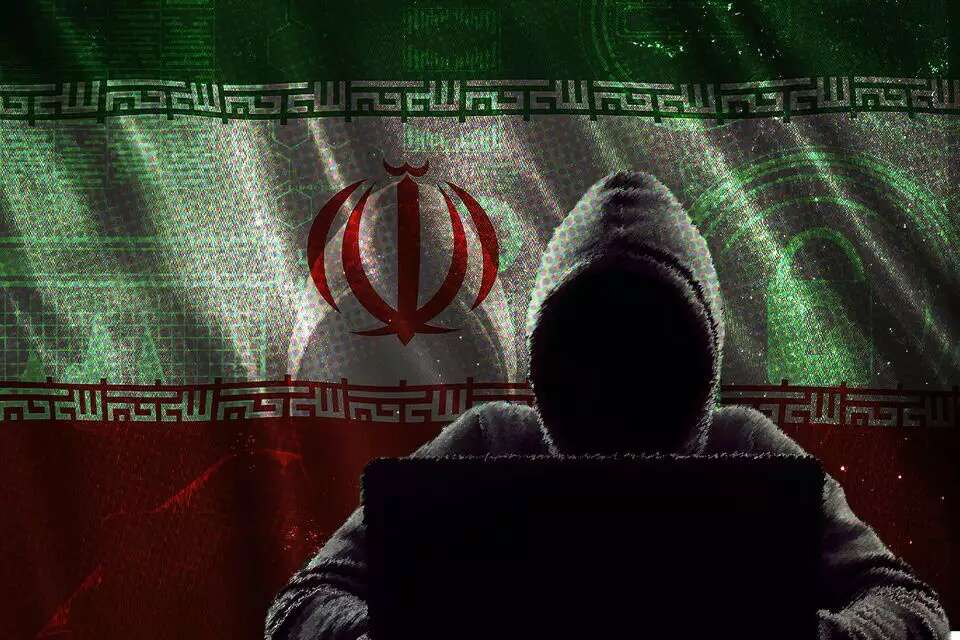
A prominent Iranian media outlet is accusing Israel of a series of assassinations of Iranian artificial intelligence scientists, focusing on the mysterious death of an Iranian data scientist in the coastal city of Nice in southern France.
Press TV, a news site affiliated with the Islamic Revolutionary Guard Corps, is accusing Mossad of involvement in the death of Dr. Ali Ehsanian, a scientist who worked on artificial intelligence development and previously served in Iran's Defense Ministry.
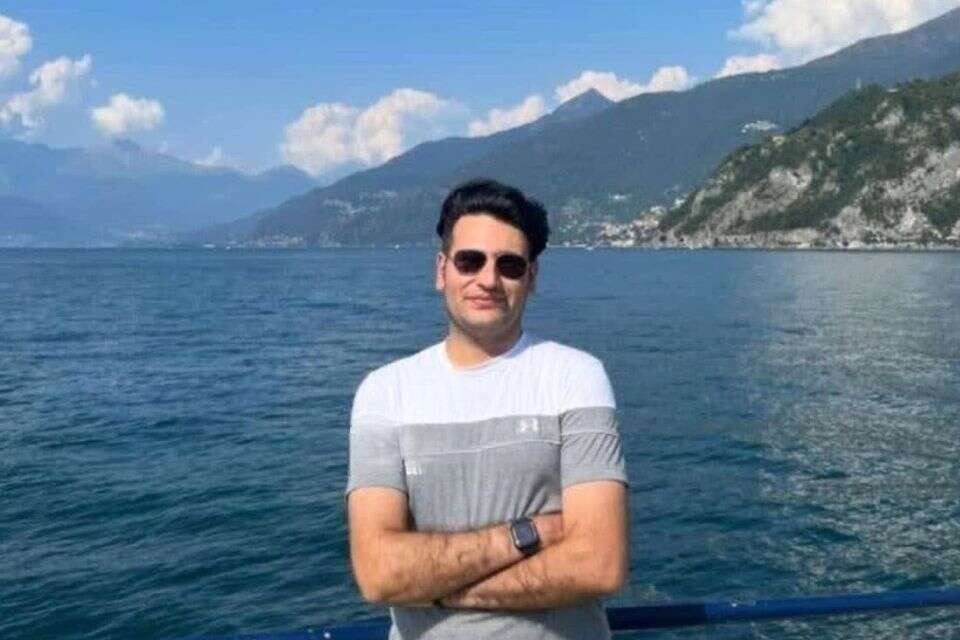
In an article published last week, the outlet claimed that all signs indicated Mossad killed the data scientist in Nice in March, in a case French police said remained unsolved, while not ruling out the possibility of murder. Ehsanian's body was brought to Tehran this week after remaining in France since March because of the war.
"Although the cause of death is still under investigation, all evidence points to the Israeli intelligence agency Mossad, which for years has systematically assassinated young Iranian scientists," the Iranian outlet wrote.
Worked on drone swarm technology
According to the Iranian report, Dr. Ehsanian was not an ordinary researcher. He held a doctorate in electrical engineering from Sorbonne University in Paris, received a prestigious grant from the European Union's Marie Skłodowska-Curie Actions program, and collaborated with Iran's Defense Ministry during his military service between 2018 and 2020.
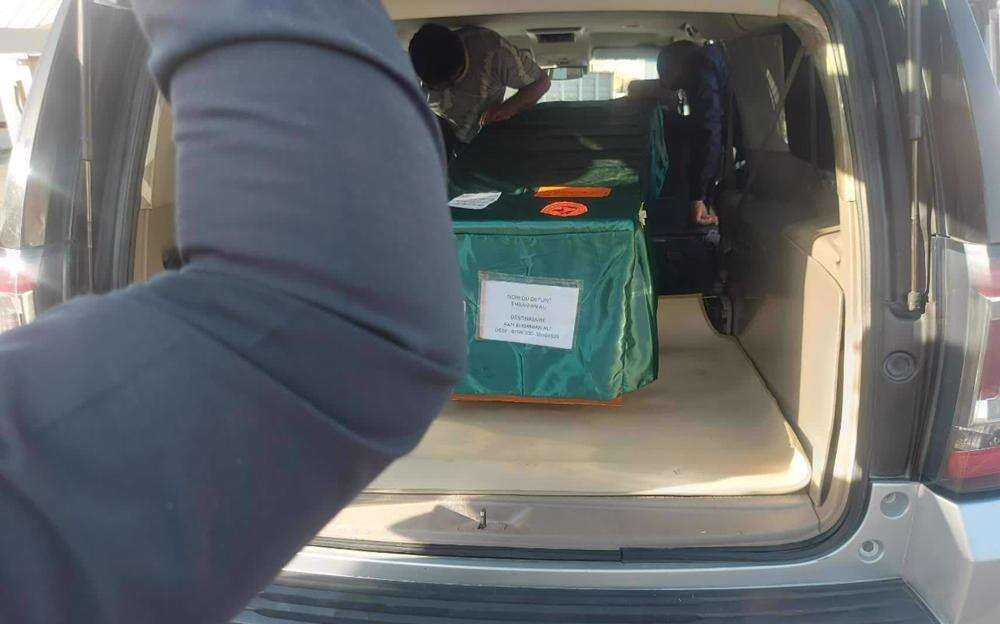
His areas of expertise, artificial intelligence, machine learning and next-generation wireless networks, are considered by military analysts to be dual-use technologies, with direct applications in military communications, drone swarms, electronic warfare and edge computing. It was further claimed that Ehsanian served in the Iranian military and collaborated with the Defense Ministry on several projects.
"His assassination is seen as part of a broader campaign by foreign intelligence services, led by Israel's Mossad, to decapitate Iran. This is a decades-long campaign that in the past claimed the lives of many nuclear scientists, and more recently also artificial intelligence researchers," the Iranian media outlet wrote.
'A very bitter incident'
The exact date of Dr. Ehsanian's death was reported as March 28, 2026, about six weeks before his body was returned to Iran. There are notable gaps in the public record. French police did not issue a public statement naming Dr. Ehsanian or confirming the opening of a murder investigation. French prosecutors did not publish indictments or identify suspects. Major French newspapers refrained from publishing investigative reports about his death.
Iran's Foreign Ministry, through spokesman Esmaeil Baghaei, confirmed on May 4, 2026, that the ministry was following the case through both Iran's embassy in Paris and the French embassy in Tehran.
Baghaei described the case as "a very bitter incident" that occurred on March 28, and said Iran had a duty to act seriously on behalf of the rights of Iranian citizens wherever they may be in the world. It is worth noting that Baghaei linked Dr. Ehsanian's case to two other murders of Iranian citizens in France, raising concerns about "racism and acts of terrorism."