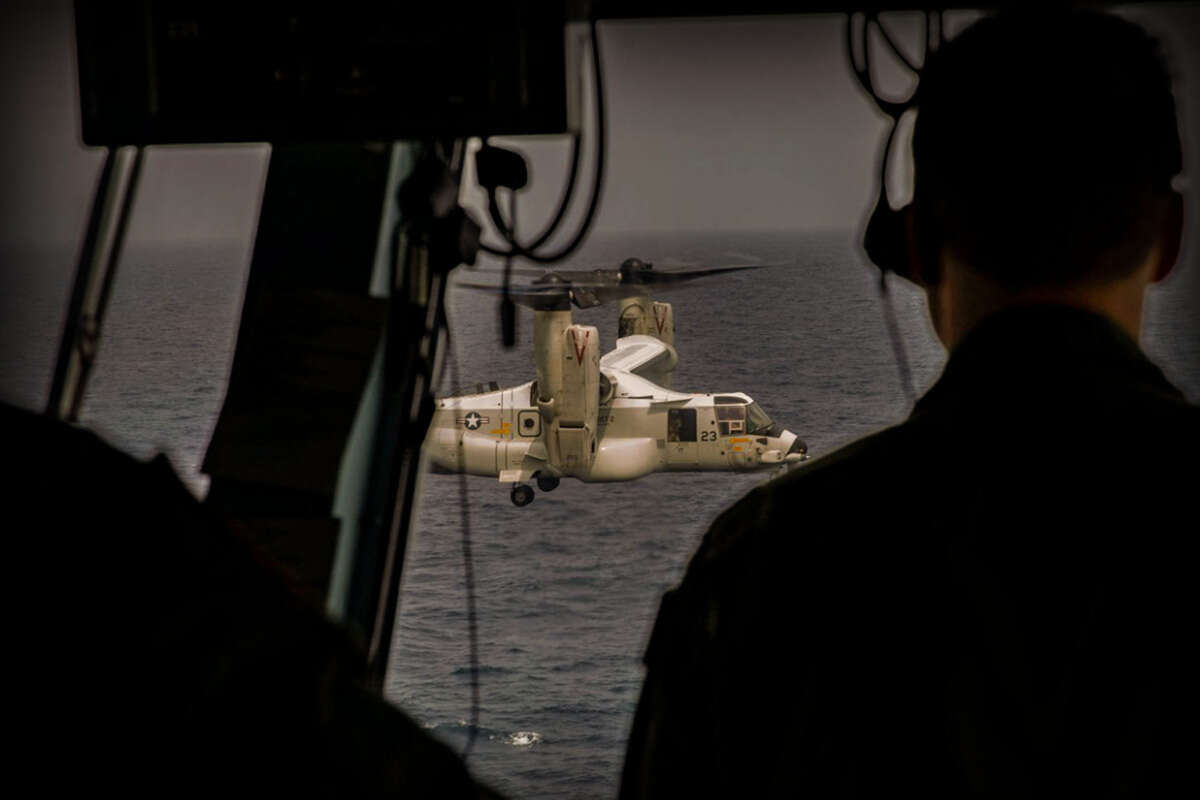
CNN reported Monday that US Central Command last week asked its intelligence personnel to propose "creative and unconventional" ideas for increasing pressure on Iran.
According to the report, an email sent Wednesday by a senior officer in Central Command's intelligence branch was distributed to a broad group of military analysts. "We are looking for new, creative and unconventional ways to pressure and punish Iran," the message said. A second source confirmed to CNN that another senior officer had also requested new ideas for confronting Iran.
Military officials described the unusual email request as a sign that the options available to US President Donald Trump were limited and that Central Command was reassessing its strategy and seeking to consider every possible course of action, according to the report.

US Central Command spokesman Capt. Tim Hawkins told CNN that the command "has a long history of thinking and operating in innovative ways." He said Central Command chief Adm. Brad Cooper routinely sought input from personnel "regardless of rank" to achieve the highest possible level of operational performance. CNN also reported that the request was sent before Trump threatened to launch further strikes against Iran. The president ultimately backed away from that threat over the weekend after regional officials, led by Saudi Crown Prince Mohammed bin Salman, urged him to de-escalate.
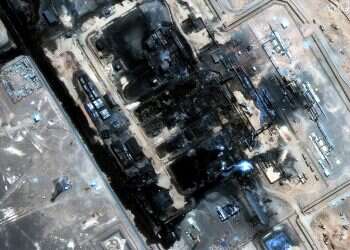
The United States has carried out airstrikes against Iran in recent weeks in an effort to impair Tehran's ability to threaten shipping through the Strait of Hormuz and force it back to the negotiating table, the report said. There were no indications, however, that an agreement was imminent.
According to two sources familiar with the matter, the US military was also preparing for the possibility of renewed strikes against Pickaxe Mountain and other sites in Iran believed to contain nuclear material or equipment. The sources assessed, however, that even the most powerful conventional weapons in the US arsenal were unlikely to produce significant results because the facilities were buried deep underground. Destroying them could require the deployment of ground forces, they said, a step Trump did not want to take because of the risks involved. Eighteen US service members have been killed in the fighting so far, according to the report.

CNN also reported that Trump had considered carrying out largely symbolic strikes against those facilities or sites similar to those attacked last year. Such an operation could provide a symbolic achievement that would allow him to end the war, even without accomplishing one of its original objectives: dismantling Iran's nuclear program.
Such a move, however, would not resolve the central issue driving the conflict: Iran's claims regarding the Strait of Hormuz. "Ultimately, the president will want to reach a deal, so he will continue looking for ways to remain tough while also getting out of the war," one source told CNN. "Sometimes you need creative thinking, especially when you run out of conventional options."